


The Well-Being Micro-Credential for Burned-Out Teachers: A Lifeline in the Storm of Modern Education
In the quiet corridors of schools, where the hum of fluorescent lights often drowns out the whispers of exhaustion, a silent crisis festers. Teachers, the architects of young minds, are crumbling under the weight of expectations that stretch far beyond the chalkboard. The Well-Being Micro-Credential emerges not as a mere certification, but as a sanctuary—a beacon of hope for those who have given everything and yet feel they have nothing left to give. This isn’t just another professional development checkbox; it’s a lifeline, a whispered promise that their well-being matters as much as the lessons they teach.
Imagine a world where the act of teaching doesn’t come at the cost of personal erosion. Where the relentless demands of standardized testing, administrative pressures, and the emotional labor of nurturing young lives don’t leave educators feeling like hollowed-out vessels. The Well-Being Micro-Credential steps into this breach, offering a sanctuary of strategies, reflections, and tools designed to reignite the flame of passion in those who have watched it flicker dangerously close to extinction. It’s not about adding another layer of guilt for teachers who already feel they’re failing; it’s about acknowledging that their struggles are valid, their exhaustion real, and their need for self-preservation urgent.

The Anatomy of Teacher Burnout: More Than Just a Bad Week
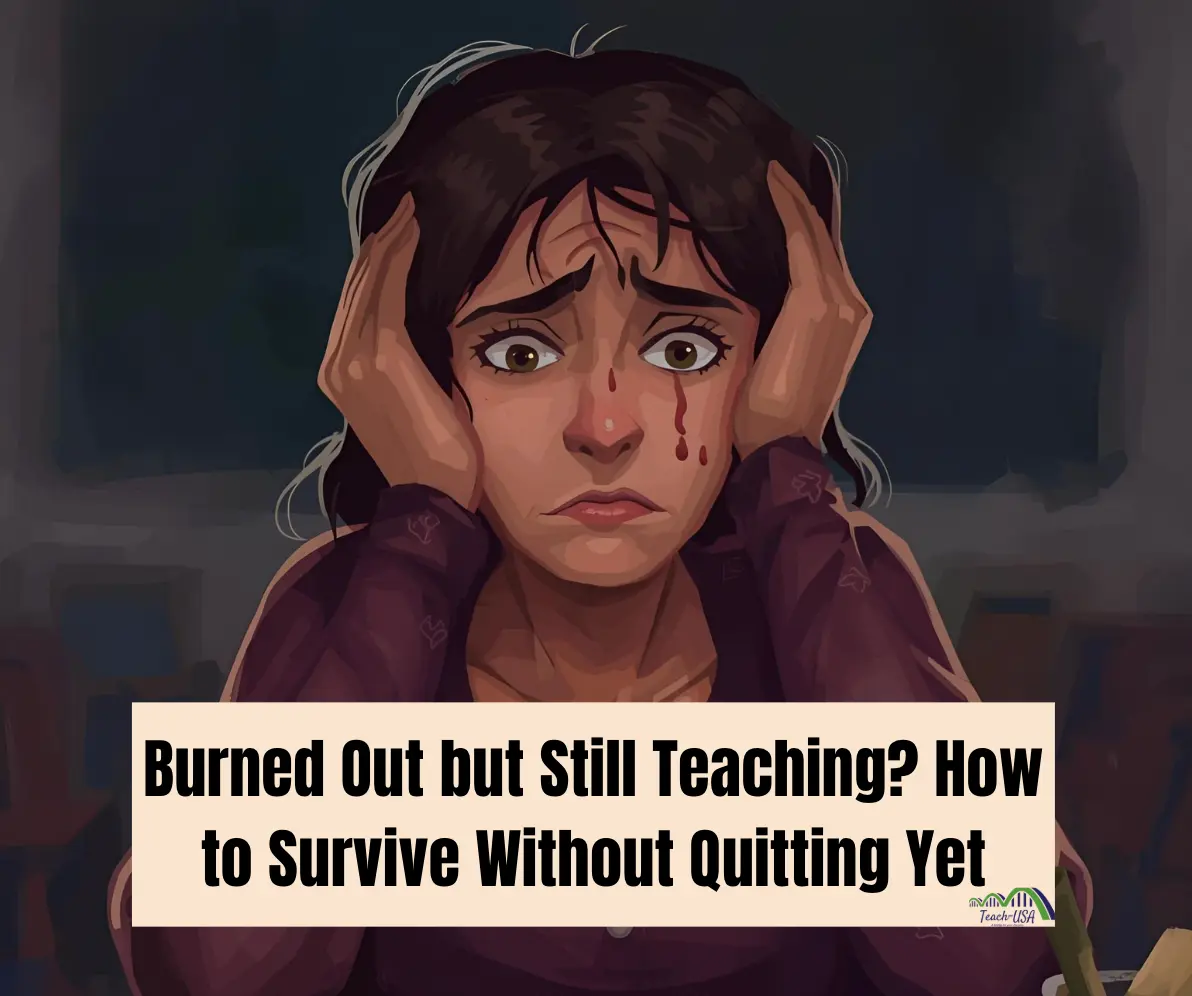
Burnout isn’t a temporary slump—it’s a slow unraveling, a gradual erosion of identity, purpose, and joy. For teachers, the symptoms often masquerade as dedication: staying late to grade papers, skipping lunch to prep for tomorrow’s lesson, or pushing through migraines because “the show must go on.” But beneath the surface, the cracks are visible. Irritability with students who are just being kids. A growing resentment toward meetings that could have been emails. The hollow echo of “I just need to get through today” becoming a mantra. The Well-Being Micro-Credential doesn’t just treat these symptoms; it dissects them, peeling back the layers to reveal the systemic issues that have turned classrooms into pressure cookers.
Consider the paradox: teachers enter the profession to make a difference, yet the systems they operate within often strip them of their autonomy, their creativity, and their sense of agency. The credential doesn’t just say, “You’re tired; here’s a nap.” It says, “Your exhaustion is a symptom of a broken system, and we see you.” It validates the frustration of teachers who are expected to be therapists, social workers, and disciplinarians, all while being held accountable for metrics that have little to do with human connection. This isn’t about throwing a pity party; it’s about recognizing that the well-being of educators is the bedrock of a thriving educational ecosystem.
The Micro-Credential as a Mirror: Reflecting the Unseen Struggles
One of the most powerful aspects of the Well-Being Micro-Credential is its insistence on reflection. Teachers are often so busy pouring into others that they forget to fill their own cups. The credential flips this script, forcing educators to pause and ask: What am I carrying that isn’t mine to bear? It’s a mirror held up to the classroom, the staff lounge, the endless emails, and the quiet moments of despair that no one else sees. Through guided journaling, peer discussions, and self-assessments, teachers confront the emotional toll of their work—not to assign blame, but to reclaim their narrative.
This process of reflection isn’t just cathartic; it’s revolutionary. It challenges the toxic narrative that teachers must sacrifice their health for the sake of their students. Instead, it champions the idea that a teacher who is emotionally replenished is a teacher who can show up fully, creatively, and compassionately. The credential doesn’t just teach coping mechanisms; it fosters a mindset shift. It asks teachers to redefine success—not as endurance, but as sustainability. Not as self-sacrifice, but as self-preservation. And in doing so, it plants the seeds for a cultural transformation within schools, where well-being is not an afterthought but a priority.

Tools for Resilience: From Theory to Tangible Change
The Well-Being Micro-Credential isn’t an abstract concept; it’s a toolkit. It equips teachers with strategies that are as practical as they are profound. From boundary-setting techniques that teach educators to say “no” without guilt, to mindfulness practices that ground them in the present moment, the credential doesn’t just preach self-care—it arms teachers with the skills to implement it. One module might focus on the art of delegation, helping teachers recognize that asking for help isn’t a sign of weakness but a strategic move to preserve their energy for what truly matters. Another might delve into the science of emotional regulation, teaching teachers to recognize the physical cues of stress before they spiral into full-blown burnout.
But the tools don’t stop at the individual level. The credential also addresses the collective nature of teacher well-being. It encourages educators to build support networks within their schools, fostering a culture where vulnerability is met with empathy rather than judgment. It teaches the art of collective advocacy, empowering teachers to push back against policies that drain their spirit. Imagine a faculty lounge where teachers no longer compare their exhaustion levels like badges of honor, but instead share strategies for maintaining balance. This is the ripple effect of the Well-Being Micro-Credential—a shift from isolation to solidarity.
The Ripple Effect: How Teacher Well-Being Transforms Classrooms
The impact of a well-supported teacher extends far beyond the four walls of their classroom. When educators are given the space to thrive, their students benefit in ways that are both immediate and enduring. A teacher who is emotionally regulated is better equipped to model emotional intelligence for their students. A teacher who feels valued is more likely to foster a classroom environment where students feel safe to take risks and make mistakes. The Well-Being Micro-Credential doesn’t just change the lives of teachers; it transforms the educational landscape itself.
Consider the long-term consequences of ignoring teacher well-being. Burnout doesn’t just lead to absenteeism or turnover; it erodes the very foundation of education. Students notice when their teachers are disengaged, and the message they receive is clear: their own well-being doesn’t matter either. But when teachers are given the tools to prioritize their health, they become living examples of what it means to set boundaries, manage stress, and cultivate joy. They teach by example, showing students that self-care isn’t selfish—it’s essential. In this way, the Well-Being Micro-Credential isn’t just a professional development program; it’s an act of rebellion against a system that has long treated teachers as disposable.
A Call to Action: Why This Credential Matters Now More Than Ever
We are at a crossroads. The teaching profession is hemorrhaging talent, with record numbers of educators leaving the field each year. The reasons are complex, but the solution is clear: we must invest in the well-being of those who invest in our children. The Well-Being Micro-Credential is more than a bandage; it’s a blueprint for systemic change. It challenges the status quo by demanding that we rethink what it means to be an effective teacher. It’s not about producing more work with less time; it’s about producing better work with sustainable energy.
For administrators, this credential is a call to action. It’s an invitation to reimagine school culture, to prioritize policies that support teacher well-being, and to dismantle the structures that perpetuate burnout. For policymakers, it’s a reminder that teacher retention isn’t just an HR issue—it’s an educational imperative. And for teachers themselves, it’s a lifeline, a reminder that their worth isn’t measured by how much they sacrifice, but by how much they thrive.
The Well-Being Micro-Credential isn’t a magic wand. It won’t single-handedly fix the broken systems that have left teachers feeling disposable. But it is a step in the right direction—a step toward a future where teachers are seen, heard, and valued. Where the act of teaching isn’t a slow unraveling, but a journey of growth and fulfillment. Where the classroom isn’t a pressure cooker, but a sanctuary of learning and connection. This credential is a promise: that the well-being of teachers isn’t just an afterthought—it’s the foundation of a better education system. And that’s a promise worth fighting for.
Leave a comment