


In a world where productivity tools promise to shave hours off our workdays and AI assistants draft emails in seconds, it’s ironic that many of us still feel like we’re running on a hamster wheel—exhausted, yet barely moving forward. The paradox isn’t lost on us: we’re busier than ever, yet progress often feels glacial. This isn’t just a modern dilemma; it’s a reflection of how we’ve been conditioned to equate effort with value. But what if the key to unlocking true productivity isn’t about working harder, but working *smarter*—leveraging strategy, systems, and self-awareness to achieve more with less strain? As we step into 2026, the question isn’t whether we can do more, but whether we can do it with intention, clarity, and a touch of elegance.
The Myth of Busyness: Why Effort Doesn’t Equal Results
We’ve all been there: staring at a to-do list that seems to grow longer by the minute, convinced that the sheer volume of tasks is a badge of honor. But busyness is not productivity. It’s a seductive illusion, one that tricks us into believing that constant motion equals progress. The deeper truth? Many of the tasks we tackle daily are either low-value or entirely unnecessary. The real work—the kind that moves the needle—often gets buried under a mountain of distractions.
Consider the average workday. How much time do we spend on emails that could be delegated, meetings that could be emails, or projects that don’t align with our core objectives? The answer, for most of us, is far too much. The fascination with busyness stems from a misplaced belief that our worth is tied to our output. But in 2026, the most successful individuals and organizations will be those who recognize that efficiency isn’t about doing more—it’s about doing the right things, with precision.

The Power of Systems: Building Your Productivity Infrastructure
If effort alone isn’t the answer, then what is? The answer lies in systems—structured, repeatable processes that eliminate friction and free up mental space for what truly matters. Systems are the unsung heroes of smart work. They turn chaos into order, ambiguity into clarity, and overwhelm into manageable steps. Whether it’s a digital tool, a morning routine, or a delegation framework, the right system can transform how you work.
Start by auditing your workflow. Identify the repetitive tasks that drain your energy and automate or delegate them. Tools like Trello, Notion, or Zapier can handle project management, while virtual assistants can take over administrative burdens. But systems aren’t just about tools—they’re about habits. A well-designed morning routine, for example, can set the tone for the entire day. Whether it’s journaling, exercise, or a deep work session, these rituals create a foundation of consistency.
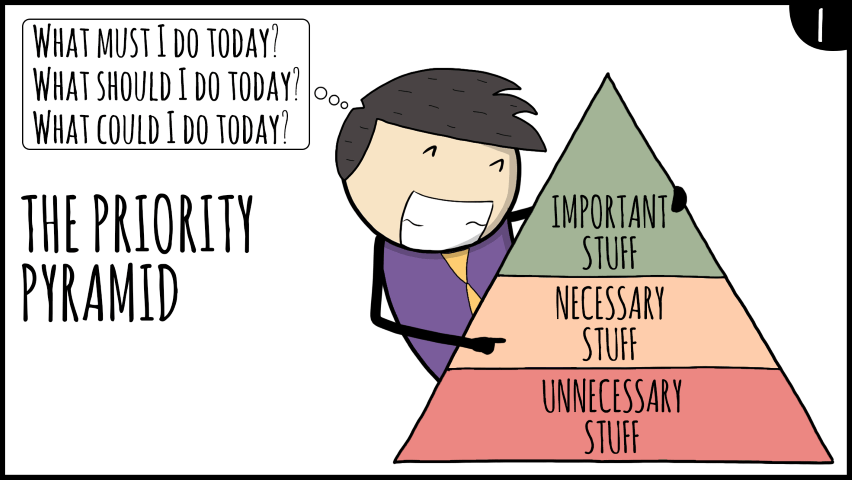
Another critical system is the 80/20 rule (Pareto Principle), which states that 80% of your results come from 20% of your efforts. In 2026, the most effective professionals will ruthlessly prioritize the 20%—the high-impact tasks that drive real progress. This means saying no to distractions, delegating the rest, and focusing on what moves the needle.
The Psychology of Smart Work: Why Mindset Matters More Than Tools
No amount of systems or tools will work if your mindset isn’t aligned with the principles of smart work. The psychology behind productivity is just as important as the mechanics. At its core, smart work is about clarity, intentionality, and self-awareness. It’s recognizing that your energy is a finite resource and allocating it wisely.
One of the biggest barriers to smart work is the cult of multitasking. Studies show that multitasking reduces efficiency by up to 40% and increases errors. In 2026, the most effective workers will embrace single-tasking—focusing on one thing at a time with undivided attention. This isn’t just about productivity; it’s about preserving mental clarity and reducing burnout.
Another psychological hurdle is the fear of idle time. We’ve been conditioned to believe that downtime is wasted time, but the truth is that rest is a critical component of high performance. The brain consolidates learning and generates creative insights during periods of relaxation. Smart workers in 2026 will schedule breaks, practice mindfulness, and embrace the power of doing nothing—because it’s often in those moments that the best ideas emerge.
Finally, smart work requires a shift from reactive to proactive behavior. Reactive work is responding to whatever comes your way—emails, interruptions, last-minute requests. Proactive work is about setting the agenda, anticipating challenges, and moving toward long-term goals. The most successful individuals in 2026 will be those who spend less time putting out fires and more time building the future.
Leveraging Technology: The Smart Worker’s Toolkit
Technology is a double-edged sword. It can either amplify our productivity or drown us in a sea of notifications and distractions. In 2026, the smartest workers will use technology as a force multiplier—not a crutch. The key is to adopt tools that align with your workflow and eliminate friction, not add to it.
AI and Automation will play a pivotal role in the future of smart work. From AI-powered email filters that prioritize your inbox to chatbots that handle customer inquiries, automation can free up hours each week. Tools like Jasper, Grammarly, and Otter.ai can assist with writing, transcription, and even brainstorming, allowing you to focus on higher-level thinking.
Focus and Distraction Management tools will also be essential. Apps like Freedom, Cold Turkey, and Forest can block distracting websites and apps, while Pomodoro timers can help you maintain focus during deep work sessions. The goal isn’t to eliminate technology but to use it strategically—to create an environment where you can work with minimal friction.
Collaboration Tools will continue to evolve, making remote and hybrid work more seamless. Platforms like Slack, Microsoft Teams, and Miro enable real-time collaboration, while project management tools like Asana and ClickUp keep teams aligned. The smartest workers will leverage these tools to streamline communication and ensure everyone is working toward the same goals.

The Future of Work: Trends to Watch in 2026
As we look ahead to 2026, several trends will shape the way we work smarter, not harder. These aren’t just fleeting fads; they’re fundamental shifts in how we approach productivity, collaboration, and well-being.
1. The Rise of the “Deep Work” Movement
The concept of deep work—focused, distraction-free work—will become even more critical as the pace of information accelerates. Companies that prioritize deep work environments will see higher levels of innovation and employee satisfaction. Expect to see more organizations implementing “focus hours,” where meetings are banned, and employees are encouraged to work without interruptions.
2. The Gig Economy and Flexible Work
The traditional 9-to-5 model is fading, and in its place, we’re seeing a rise in flexible, project-based work. The gig economy will continue to grow, allowing professionals to take on high-value projects without the constraints of a full-time role. Smart workers will leverage this trend to curate their workload, focusing on projects that align with their strengths and passions.
3. The Integration of Well-being and Productivity
Burnout is no longer a badge of honor—it’s a warning sign. In 2026, companies will prioritize employee well-being as a core component of productivity. This means offering mental health resources, flexible schedules, and even “recharge days” to prevent burnout. Smart workers will take this a step further by designing their own well-being routines, ensuring they have the energy and focus to perform at their best.
4. The Evolution of AI as a Collaborator
AI won’t replace human workers, but it will become an indispensable collaborator. From AI-powered assistants that schedule meetings to tools that analyze data and generate insights, AI will handle the mundane, allowing humans to focus on creativity and strategy. The smartest workers will embrace AI as a partner, not a threat.
Putting It All Together: Your 2026 Smart Work Playbook
Working smarter in 2026 isn’t about adopting every new tool or trend—it’s about building a personalized system that aligns with your goals, values, and strengths. Here’s a step-by-step playbook to get you started:
- Audit Your Workflow: Identify the tasks that drain your energy and eliminate, automate, or delegate them.
- Design Your Systems: Build routines and processes that reduce friction and create consistency.
- Prioritize Ruthlessly: Focus on the 20% of tasks that drive 80% of your results.
- Embrace Single-Tasking: Give your full attention to one task at a time to maximize efficiency and quality.
- Leverage Technology Wisely: Use tools that enhance your workflow, not distract from it.
- Protect Your Energy: Schedule breaks, practice mindfulness, and prioritize well-being to sustain long-term productivity.
- Stay Adaptable: The future of work is fluid. Be open to new tools, trends, and ways of working that serve your goals.
In 2026, the most successful professionals won’t be the ones who work the hardest—they’ll be the ones who work the smartest. They’ll recognize that productivity isn’t about grinding through tasks; it’s about designing a life and career that align with their vision. They’ll understand that true efficiency comes from clarity, intentionality, and the courage to say no to the noise. And perhaps most importantly, they’ll embrace the idea that working smarter isn’t just about achieving more—it’s about living better.
Leave a comment