


Have you ever stared at your bank statement, wondering if your money could do more than just sit there—if it could, say, save the planet while padding your wallet? Welcome to the wild, wonderful world of ESG investing, where your dollars aren’t just currency; they’re a megaphone for your values. But here’s the twist: diving into ESG isn’t like picking stocks based on gut feeling or last night’s dinner conversation. It’s a labyrinth of acronyms, shifting trends, and the occasional moral dilemma. Ready to untangle the greenwashing from the genuine impact? Buckle up—your journey to investing with intention starts now.
The ESG Enigma: What in the World Are We Talking About?
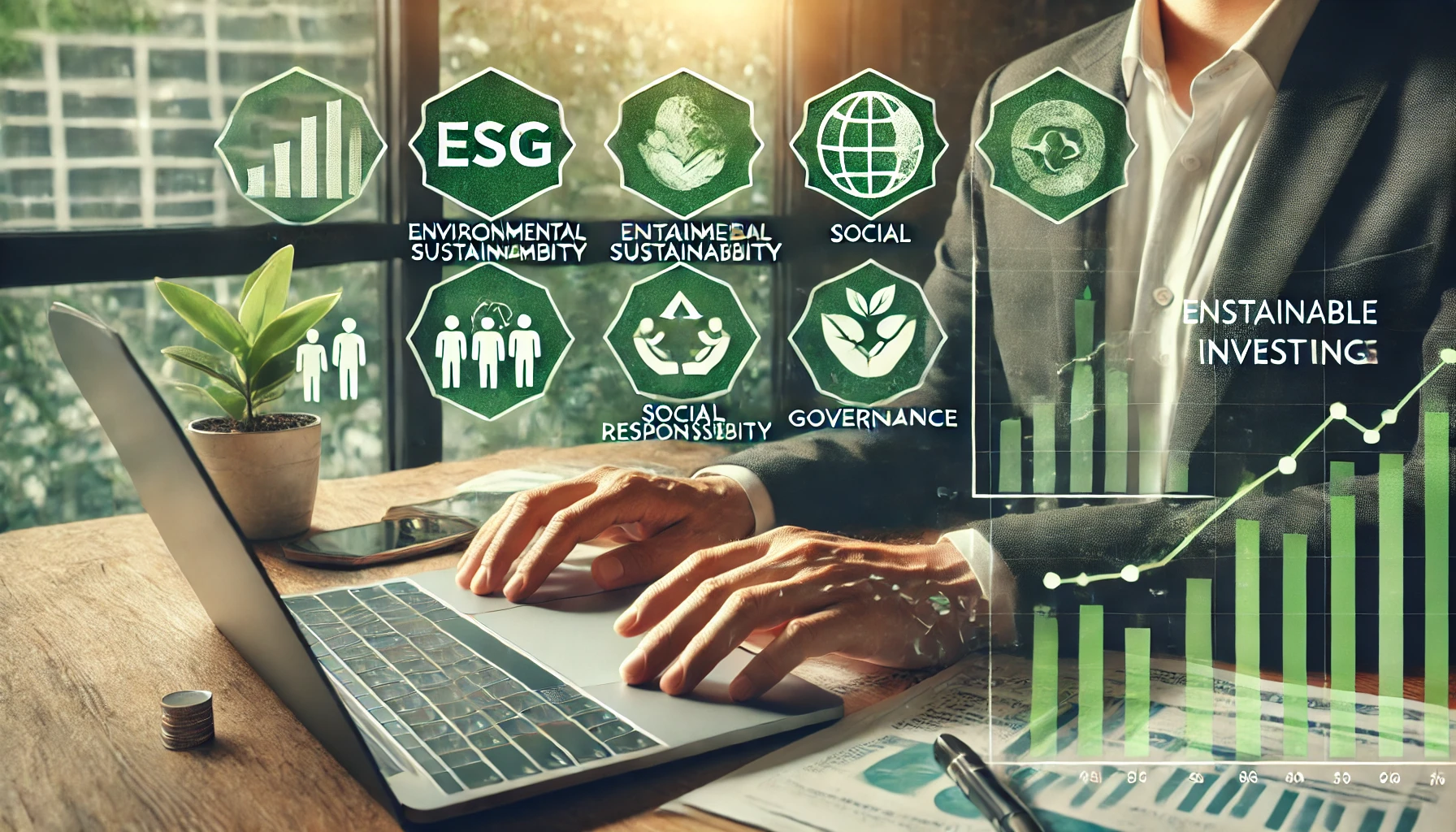
ESG stands for Environmental, Social, and Governance—the holy trinity of criteria that turns a faceless corporation into a living, breathing entity with a conscience (or at least, a PR department). Environmental factors? That’s your carbon footprints, renewable energy commitments, and whether the company’s factories are belching out more than just profits. Social? Think labor practices, diversity reports, and whether the CEO’s golden parachute is stitched together with fair wages. Governance? Prepare for a deep dive into boardroom diversity, executive pay ratios, and whether the company’s annual report reads like a Shakespearean tragedy or a corporate manifesto.
But here’s the kicker: ESG isn’t a one-size-fits-all suit. A wind turbine manufacturer might score high on the ‘E’ but flunk spectacularly on ‘S’ if it’s outsourcing jobs to countries with child labor laws thinner than a politician’s promise. The challenge? Deciphering which metrics truly matter—and which are just corporate lipstick on a pig. Pro tip: Look beyond the flashy sustainability reports. Dig into third-party ratings from firms like MSCI or Sustainalytics, where the data isn’t sugarcoated by marketing teams.
Why ESG? The Carrot and the Stick of Modern Investing
Imagine a world where your portfolio isn’t just a spreadsheet of numbers but a mirror reflecting your personal ethos. That’s the allure of ESG investing. Millennials and Gen Z aren’t just inheriting wealth; they’re demanding it align with their values. According to a 2024 survey by Morgan Stanley, 75% of young investors want their investments to reflect their environmental and social beliefs. But here’s the paradox: while the demand for ESG funds has skyrocketed—ballooning to over $40 trillion in assets under management globally—so has the skepticism. Critics argue that ESG is a Trojan horse for underperformance, a sentiment echoed by some high-profile detractors who claim it’s all feel-good fluff with no financial teeth.
So, does ESG deliver returns, or is it a costly virtue signal? The data is murky. Some studies show ESG funds outperform traditional ones during market downturns, thanks to their resilience in sectors like renewables. Others argue that the outperformance is a mirage, a result of cherry-picked data or the halo effect of companies that are already well-managed. The truth? ESG investing is still in its adolescence. The key is to treat it like a long-term relationship—full of potential, but requiring patience, due diligence, and a healthy dose of skepticism.
The ESG Buffet: How to Build a Portfolio That Doesn’t Make You Queasy
Dipping your toes into ESG investing doesn’t mean you have to liquidate your entire portfolio and buy shares in a solar farm (though, kudos if you do). Start small. ESG funds come in all shapes and sizes, from exchange-traded funds (ETFs) that track broad sustainability indices to mutual funds that focus on niche sectors like clean water or gender diversity. Consider the iShares ESG Aware MSCI USA ETF (ESGU), which offers diversified exposure to U.S. companies with strong ESG ratings. Or, if you’re feeling adventurous, explore thematic funds like the SPDR S&P 500 ESG ETF (EFIV), which zeroes in on companies leading the charge in sustainability.
But beware the greenwashing gremlins. Not all ESG funds are created equal. Some are little more than marketing gimmicks, stuffed with companies that tick a few superficial boxes but fail the deeper ethical sniff test. To avoid this trap, scrutinize the fund’s holdings. Does it include fossil fuel giants masquerading as climate champions? Are the ‘social’ metrics just window dressing for a company with a history of labor disputes? Tools like Morningstar’s ESG Risk Ratings or the Global Impact Investing Network’s (GIIN) IRIS+ metrics can help you separate the wheat from the chaff.

The Moral Maze: When Good Intentions Meet Market Realities
Here’s where things get spicy. ESG investing isn’t just about picking stocks; it’s about navigating a moral minefield. Take the case of Tesla. Love it or loathe it, the electric vehicle pioneer is a darling of ESG funds, thanks to its zero-emission vehicles. But dig deeper, and you’ll find allegations of poor labor conditions at its factories and a CEO whose antics make even the most unhinged Twitter threads look tame. Do you exclude Tesla for its governance failures, or include it for its environmental impact? There’s no right answer—just a series of trade-offs that force you to confront your own values.
Then there’s the issue of impact washing, where companies slap an ESG label on their products or services without making meaningful changes. Remember the 2023 scandal involving a major bank that marketed its funds as “green” while secretly investing in fossil fuels? The fallout was swift, with regulators slapping fines and investors demanding accountability. The lesson? ESG isn’t a stamp of approval; it’s a continuous process of evaluation and engagement. If a company’s actions don’t align with its ESG promises, it’s your job to call them out—or vote with your wallet.
Tools of the Trade: Your ESG Investing Arsenal
You wouldn’t go into battle without a sword, so why dive into ESG investing without the right tools? Start with a brokerage account that offers robust ESG screening tools, like Fidelity or Charles Schwab. These platforms often provide proprietary ESG ratings, allowing you to filter investments based on your criteria. For the data-hungry, platforms like Sustainalytics or MSCI ESG Ratings offer deep dives into a company’s sustainability performance, complete with controversies and red flags.
Don’t overlook the power of shareholder activism. Buying shares in a company gives you a voice—and sometimes, that voice can be louder than a megaphone. In 2022, shareholders at ExxonMobil successfully pressured the company to adopt stricter climate goals, proving that even the most entrenched giants can be nudged toward change. Your vote, whether cast at an annual meeting or through proxy voting, can be a catalyst for progress.
The Future of ESG: A Crystal Ball (or a Ouija Board?)
ESG investing is evolving faster than a TikTok trend. Regulators are tightening the screws, with the EU’s Sustainable Finance Disclosure Regulation (SFDR) and the U.S. SEC’s climate disclosure rules forcing companies to be more transparent. Meanwhile, artificial intelligence is revolutionizing how we assess ESG risks, with algorithms sifting through reams of data to spot greenwashing before it metastasizes. The challenge? Keeping up with the pace of change without getting lost in the noise.
One thing is certain: ESG investing isn’t a fleeting fad. It’s a seismic shift in how we think about capitalism, ethics, and the role of money in society. The question isn’t whether ESG will endure—it’s how you’ll adapt to its growing pains. Will you be a passive observer, content to let fund managers make the tough calls? Or will you roll up your sleeves, dive into the data, and become an active participant in shaping a more sustainable future?
Your portfolio isn’t just a collection of stocks and bonds. It’s a statement. A manifesto. A tiny, yet mighty, force for change. So go ahead—let your money do more than grow. Let it speak.
Leave a comment