


Working from home sounds like a dream—no commute, no office politics, no fluorescent lighting buzzing overhead. But for many, it’s a silent war against distraction, procrastination, and the creeping sense that productivity is slipping through your fingers like sand. The truth? Focus isn’t just about discipline. It’s about designing your environment, your habits, and your mindset to work with your brain, not against it.
This isn’t another list of generic tips like “turn off your phone” or “make a to-do list.” Those are Band-Aids on a deeper problem. What you’re about to read is a radical rethinking of focus—one that acknowledges the real obstacles and gives you the tools to dismantle them. By the end, you’ll see focus not as a chore, but as a skill you can sharpen, like a blade, to cut through the noise of modern work life.
The Myth of Multitasking: Why Your Brain is a Single-Tasking Machine
You’ve been lied to. Multitasking isn’t a superpower—it’s a myth, a cognitive sleight of hand that makes you feel productive while actually eroding your ability to focus. Studies show that switching between tasks can reduce productivity by up to 40% and increase errors by 50%. Your brain isn’t built for it. It’s a sequential processor, like a computer running one program at a time. Every time you switch, you’re forcing it to reboot.

So what’s the alternative? Deep work. Coined by Cal Newport, deep work is the ability to focus without distraction on a cognitively demanding task. It’s not about working harder—it’s about working smarter. Start by blocking out 90-minute chunks of time where you commit to a single task. No emails, no Slack, no “quick checks.” Treat it like a meeting with your most important client: non-negotiable.
Pro tip: Use the Pomodoro Technique—25 minutes of focused work, followed by a 5-minute break. After four cycles, take a longer break. It’s not just about time management; it’s about training your brain to sustain attention.
The Invisible Thief: How Your Environment is Sabotaging Your Focus
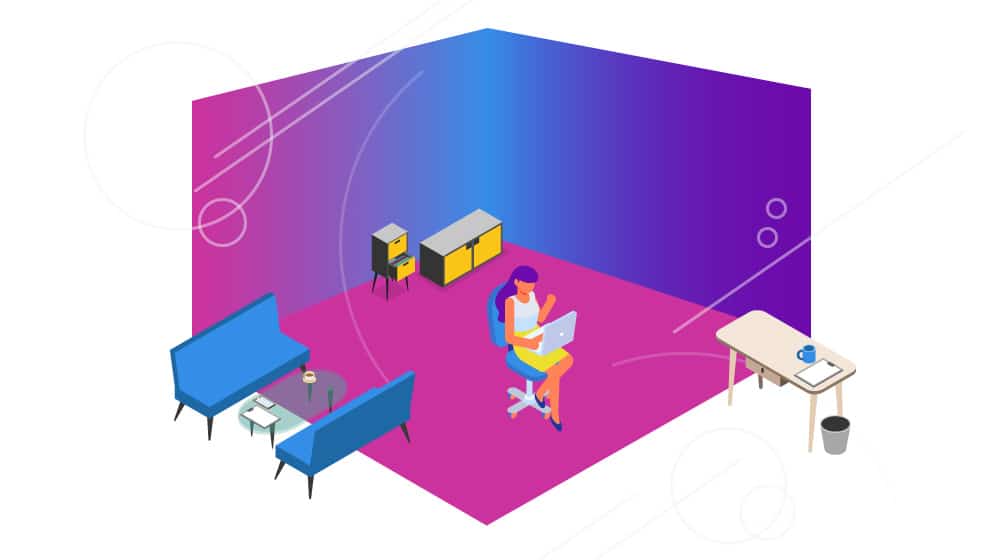
Your home wasn’t designed for work. It was designed for living—comfort, relaxation, and the occasional Netflix binge. That’s why your couch feels like a magnet for procrastination, and your kitchen is a siren song of snacks and distractions. The problem isn’t you. It’s the environment.

To reclaim your focus, you need to redesign your space for productivity. Start with the basics:
- Dedicate a workspace. Even if it’s just a corner of your kitchen table, make it yours. Keep it clean, organized, and free of non-work items.
- Control the lighting. Natural light boosts alertness, while harsh overhead lighting can drain your energy. Invest in a desk lamp with warm, adjustable brightness.
- Minimize noise. If you can’t control outside noise, use noise-canceling headphones or try white noise apps like Noisli or Brain.fm.
- Remove visual clutter. A messy desk is a messy mind. Keep only what you need within arm’s reach.
But here’s the game-changer: Your brain associates your workspace with work. When you step away from it, your mind registers that work is over. This is why working from your bed or couch is a recipe for burnout. Treat your workspace like a sacred zone—only work happens there.
The Dopamine Trap: Why You Can’t Resist Distractions (And How to Outsmart Them)
Distractions aren’t just annoyances—they’re dopamine hits designed to hijack your attention. Every time you check your phone, open a new tab, or scroll through social media, your brain gets a tiny rush of dopamine, the same neurotransmitter that fuels addiction. It’s no wonder focus feels like a losing battle.
So how do you fight back? You don’t. You outsmart the system.
Start by identifying your triggers. What’s the first thing you do when you sit down to work? For many, it’s checking email or social media. For others, it’s “just one quick look” at the news. Once you know your triggers, you can design a system to neutralize them:
- Use website blockers. Tools like Freedom or Cold Turkey let you block distracting sites during work hours.
- Turn off notifications. Every ping is a distraction. Silence your phone and computer notifications unless they’re absolutely critical.
- Schedule “distraction time.” Give yourself 10 minutes every hour to check messages or browse. Knowing you have a designated time to indulge reduces the urge to sneak peeks.
- Replace the habit. If you’re used to checking your phone when bored, replace it with a healthier habit—like drinking water or doing a quick stretch.
Remember: Willpower is finite. You can’t rely on it alone. Instead, build systems that make focus effortless.
The Power of Rituals: How Small Habits Can Transform Your Focus
Focus isn’t just about what you do—it’s about how you start. Rituals are the secret weapon of high performers, from athletes to CEOs. They signal to your brain that it’s time to shift into work mode.
Your ritual doesn’t have to be elaborate. It just needs to be consistent and intentional. Here are a few ideas to get you started:
- Morning priming. Spend the first 10 minutes of your day planning your top three priorities. Write them down. This sets the tone for the rest of your day.
- Pre-work routine. Before you dive into work, do something that puts you in the right mindset—a short walk, a cup of coffee, or a quick meditation.
- Transition rituals. When you finish a task, take a moment to celebrate. Close your laptop, stretch, or jot down what you accomplished. This signals to your brain that it’s time to shift gears.
Rituals work because they create psychological safety. When you know exactly what to do and when to do it, your brain doesn’t waste energy deciding. It just gets to work.
The Long Game: How to Build Focus Like a Muscle
Focus isn’t a switch you flip—it’s a skill you develop. And like any skill, it requires practice, patience, and the right approach.
Start small. Pick one or two strategies from this article and commit to them for a week. Track your progress. Notice how your focus improves when you remove distractions, design your environment, and build rituals. Over time, these small wins will compound into a new way of working—one that’s sustainable, intentional, and powerful.
Focus isn’t about forcing yourself to work harder. It’s about working smarter. It’s about designing your life so that focus comes naturally, not as a battle, but as a habit. And when you master it, you’ll wonder how you ever worked any other way.
Now, close the tabs. Silence the notifications. And get to work.
Leave a comment