


The Lifestyle Design That Supports Peak Performance
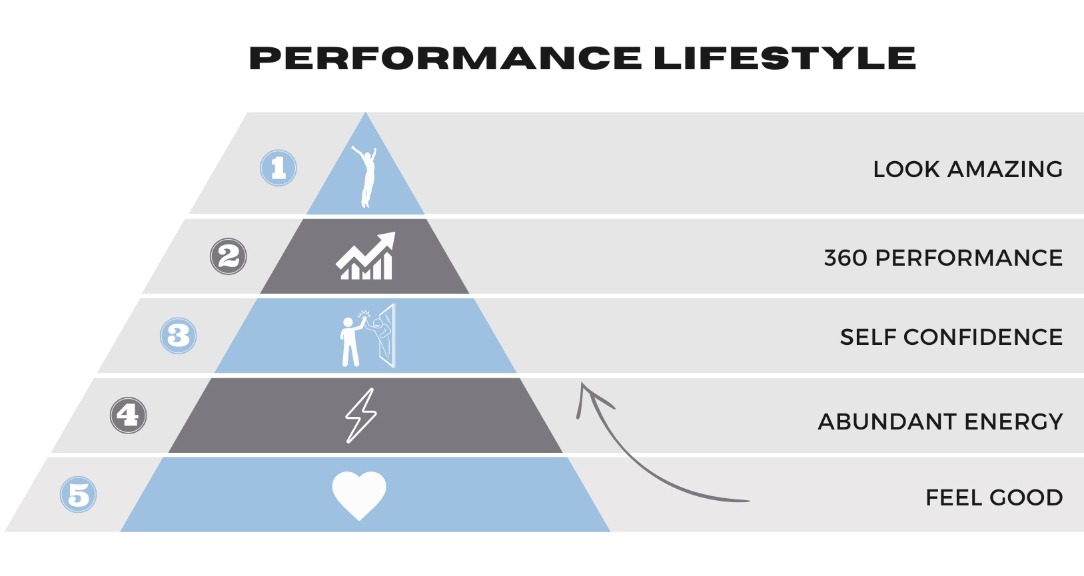
Most people approach peak performance the wrong way. They treat it like a switch—a thing you flip on when you need to be productive, creative, or sharp. You drink another coffee, push through the fatigue, or set a rigid morning routine that crumbles by Tuesday. But what if the secret isn’t a better hack or a stricter schedule? What if peak performance is not something you do, but something you design for? This article promises to shift your perspective from chasing outputs to crafting a lifestyle that makes high performance the natural byproduct of how you live. Prepare to have your curiosity piqued about the invisible architecture behind sustained excellence.
The Architecture of Energy, Not Time

The first shift in perspective is understanding that performance is not a problem of time management—it is a problem of energy management. A lifestyle designed for peak performance treats energy as a finite, renewable resource. You would never try to drive a car with an empty tank, yet many of us run our days on depleted reserves. The key here is to map your biological rhythms. Are you a morning lark or a night owl? Instead of fighting that reality, build your deepest work around your natural peaks. Design your environment to protect those hours. This means no meetings, no notifications, no digital noise during your prime focus window. The rest of your day becomes support infrastructure: light tasks, recovery, and connection. The shift is subtle but profound. You stop asking, “How do I get more done?” and start asking, “How do I protect my best energy?”
Recovery as the Engine of Output
Here is the counterintuitive truth that many high achievers miss: recovery is not the absence of performance; it is its precursor. A well-designed lifestyle does not treat sleep, breaks, and leisure as guilty pleasures. It positions them as the engine room. The science is clear—your brain consolidates learning, repairs muscle, and regulates emotions during rest. Yet we glorify the grind and shame the pause. To design for peak performance, you must invert this. Schedule your downtime with the same rigor you schedule your work. Block out time for walks, naps, or simply staring out a window. These moments are not wasted; they are where insight and renewal happen. When you stop seeing recovery as a reward for hard work and start seeing it as the work itself, your entire relationship with productivity transforms. You become a cyclist who respects the coast, not just the sprint.
Environment as a Silent Coach

Your environment is the most underrated lever for sustainable high performance. It whispers to you all day long, nudging you toward distraction or focus. A lifestyle that supports peak performance is one where the physical and digital spaces are curated to reduce friction for what matters and increase friction for what does not. Consider your phone setup: if notifications are on, your environment is programmed for interruption. If your desk is cluttered, your brain is processing visual noise. The shift here is to stop relying on willpower and start relying on design. Place your water bottle next to your workspace to encourage hydration. Move your phone to another room when you need depth. Create a ritual—a specific playlist, a cup of tea, a particular lighting—that signals to your brain, “Now we perform.” The environment becomes your silent coach, guiding you toward peak state without you having to think about it.
The Ritual of Daily Transitions
A seamless lifestyle is built on transitions. The space between tasks, between work and home, between effort and rest—these are the moments where performance is either preserved or squandered. Most people let these transitions happen by accident, leaving their energy scattered. Instead, design deliberate rituals. After a deep work session, step away from your screen for two minutes of breathwork. When you finish your workday, change your clothes, or walk around the block to signal closure. These small, intentional acts serve as psychological bookends. They prevent burnout, reduce the feeling of being “always on,” and allow you to show up fully to whatever comes next. The narrative of your day becomes cohesive, not chaotic. You begin to move through life with the flow of a professional athlete shifting between training, recovery, and game time—each phase clear, each transition marked.
Purpose Beyond Productivity
Finally, the most powerful lifestyle design element is a deep, personal “why.” Peak performance cannot be sustained by external rewards alone—money, accolades, or status. Those run dry. The design that works is anchored in a purpose that feels bigger than the daily grind. This is not about grandiosity; it is about alignment. Why does this work matter to you? What kind of person are you becoming through this pursuit? When your lifestyle is built on a foundation of meaningful intention, the difficult days gain context. The setbacks become data, not disasters. This perspective shift turns performance from a burden into an expression of identity. You no longer push yourself to hit a number; you live in a way that naturally produces excellence because it is who you are. The curiosity this provokes is the most valuable of all: What could you achieve if your whole life was designed to support your best self, not just your busiest one?
Leave a comment