


There’s a quiet revolution happening in workplaces across industries. Teams that once struggled with missed deadlines and misaligned priorities are now delivering results with uncanny consistency. What changed? The difference isn’t just better tools or bigger budgets—it’s the way leaders are approaching team dynamics. High-productivity teams don’t just happen by accident; they’re built on principles that go deeper than spreadsheets and project plans. Understanding these principles reveals why some teams thrive while others merely survive.
The Myth of the “Natural” High-Performer
Many assume that high productivity stems from hiring only the most skilled individuals. While talent matters, it’s not the deciding factor. Consider a study by Google’s Project Aristotle, which found that psychological safety—where team members feel safe to take risks and be vulnerable—was the most critical ingredient in high-performing teams. Skills can be taught, but trust and psychological safety must be cultivated.
Leaders often overlook how their own behaviors set the tone. A manager who micromanages or dismisses ideas erodes trust instantly. Conversely, a leader who actively listens and admits mistakes fosters an environment where team members feel valued. The deeper truth? Productivity isn’t about individual brilliance; it’s about collective confidence.
The Role of Clarity in Eliminating Waste
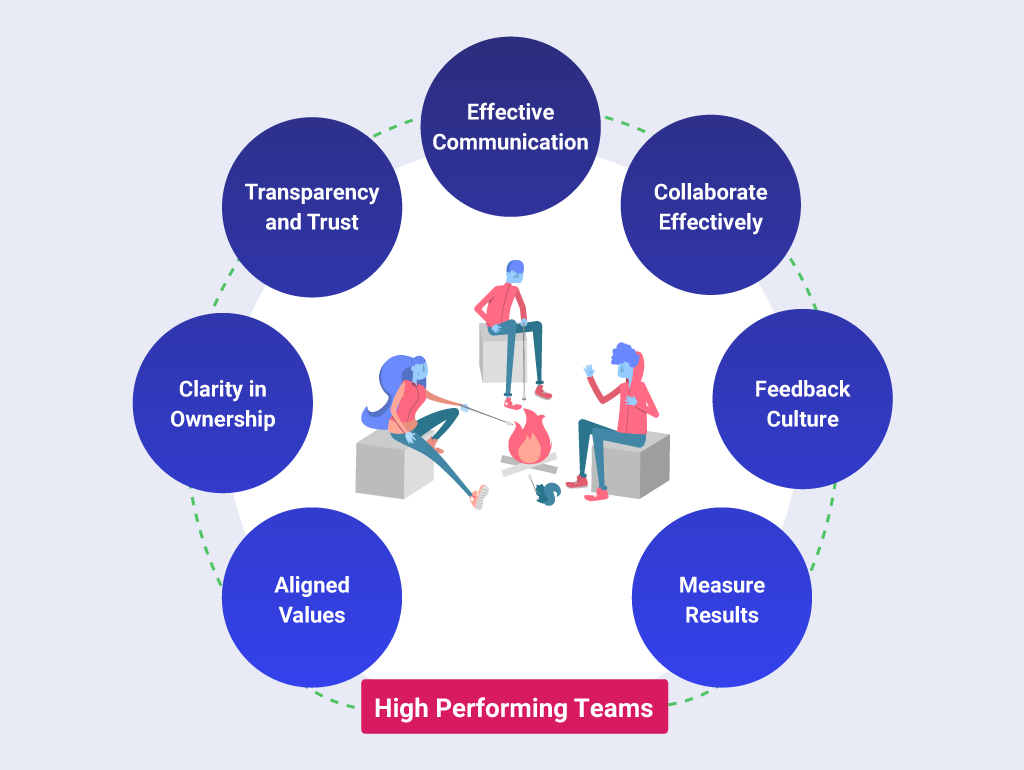
Ambiguity is the silent productivity killer. When team members aren’t aligned on goals, priorities, or roles, effort gets scattered. High-productivity teams operate with laser focus, thanks to leaders who translate broad objectives into actionable steps. This clarity isn’t just about setting goals—it’s about ensuring everyone understands how their work contributes to the bigger picture.
For example, a software development team might have a quarterly goal to “improve user engagement.” A high-productivity leader breaks this down into specific metrics (e.g., “reduce load time by 30%”) and assigns clear ownership. Without this, developers might waste time debating priorities or working on low-impact features.
The Hidden Cost of Busyness
In the pursuit of productivity, many teams fall into the trap of equating activity with progress. Meetings pile up, emails flood inboxes, and “urgent” tasks dominate calendars—yet little gets done. The real issue isn’t a lack of effort; it’s a lack of intentionality. High-productivity teams ruthlessly prioritize, saying “no” to distractions that don’t align with their core objectives.
Leaders play a pivotal role here by modeling focus. When a manager cancels a non-essential meeting or declines a last-minute request to “just check in,” they signal that productivity isn’t about being busy—it’s about being effective. Tools like the Eisenhower Matrix (urgent vs. important) can help teams distinguish between what’s truly critical and what’s just noise.
The Power of Deep Work
Distractions are the enemy of productivity. A study by the University of California found that it takes an average of 23 minutes to regain focus after an interruption. High-productivity teams protect deep work time by setting boundaries—whether through “no-meeting” blocks, asynchronous communication, or dedicated focus hours. Leaders who enforce these boundaries create space for meaningful progress.
Consider the case of a marketing team that switched from daily stand-ups to weekly check-ins. The result? A 40% increase in campaign output, as team members spent less time context-switching and more time executing. The lesson is clear: productivity thrives when leaders design systems that minimize friction.

Why Autonomy Fuels Accountability
Micromanagement is the antithesis of productivity. When leaders hover over every task, they stifle creativity and ownership. High-productivity teams thrive under leaders who delegate authority, not just tasks. Autonomy doesn’t mean abandoning accountability—it means trusting team members to make decisions while providing the support they need to succeed.
For instance, a sales team given the freedom to experiment with outreach strategies (within clear guardrails) often outperforms one where every email must be pre-approved. The key is setting expectations upfront: “You own this outcome. Here’s how we’ll measure success.”
The Paradox of Control
Leaders often fear losing control, but the opposite is true. The more control you relinquish, the more influence you gain. High-productivity teams operate with a shared sense of purpose, where each member feels responsible for the team’s success. This shift from “I have to” to “I choose to” transforms morale and output.
Take the example of a remote engineering team that adopted a “results-only work environment” (ROWE). By focusing on deliverables rather than hours logged, the team’s productivity soared—while burnout plummeted. The lesson? Productivity isn’t about watching the clock; it’s about trusting people to manage their time.
The Role of Feedback in Sustaining Momentum
High-productivity teams don’t just set goals—they continuously refine them. Regular feedback loops ensure that progress stays on track and adjustments can be made before small issues become big problems. Leaders who prioritize feedback create a culture of continuous improvement, where team members feel empowered to course-correct and innovate.
Consider the agile methodology, where daily stand-ups and sprint reviews keep teams aligned. The same principle applies outside of software development. A marketing team that holds biweekly retrospectives might discover that a recurring bottleneck is approval delays—prompting them to streamline their review process.
The Art of Constructive Criticism
Feedback isn’t just about pointing out mistakes; it’s about fostering growth. High-productivity leaders deliver criticism in a way that’s specific, actionable, and tied to outcomes. For example, instead of saying, “Your report was unclear,” a leader might ask, “How could we make the data more digestible for stakeholders?” This approach shifts the conversation from blame to solutions.
Equally important is celebrating wins—no matter how small. Recognition reinforces positive behaviors and keeps motivation high. A simple “thank you” or public shout-out can have a disproportionate impact on team morale.
The Long Game: Building a Culture of Productivity
Productivity isn’t a one-time achievement; it’s a habit. The most successful teams embed productivity into their culture by making it part of their DNA. This means hiring for cultural fit, investing in training, and modeling the behaviors they want to see. Leaders who treat productivity as a continuous journey—rather than a destination—create environments where excellence becomes the norm.
Take the example of a customer support team that implemented a “knowledge-sharing” ritual. By documenting solutions to common issues, they reduced response times by 50% and improved customer satisfaction. The lesson? Productivity isn’t just about doing more—it’s about doing better, together.
The Ripple Effect of Leadership
When leaders prioritize productivity, the benefits extend beyond the team. High-performing teams attract top talent, retain customers, and set the standard for the rest of the organization. The deeper reason for this fascination isn’t just about results—it’s about the human element. Productivity, at its core, is about unlocking potential. And when teams thrive, everyone wins.
Leave a comment