


In the ever-evolving landscape of digital credentials, blockchain-secured badges stand as a testament to authenticity, transparency, and trust. Unlike traditional paper certificates or even digital PDFs, these badges are cryptographically verifiable, tamper-proof, and instantly shareable across global platforms. Whether you’re a professional aiming to showcase your skills, an educator enhancing student engagement, or a business streamlining credential management, issuing your first blockchain badge is a transformative step. This guide walks you through the process with clarity, precision, and a touch of innovation, ensuring you emerge not just informed—but empowered.
Imagine a world where your achievements are not just acknowledged but immortalized on a decentralized ledger, accessible to anyone, anywhere, without intermediaries. That world is here. Blockchain-secured badges transcend the limitations of traditional credentials. They are dynamic, interactive, and—most importantly—verifiable in real time. Employers can scan a QR code to confirm your badge’s legitimacy instantly. Institutions can automate verification without manual checks. And you? You gain a portable, lifelong record of your accomplishments that travels with you across platforms, networks, and even careers. Let’s embark on this journey together, transforming your first credential into a digital artifact of unparalleled integrity.
Understanding the Anatomy of a Blockchain-Secured Badge
A blockchain badge is more than a digital image—it’s a smart credential embedded with metadata and cryptographic proof. At its core, it consists of three essential components: the visual badge (often a PNG or SVG), embedded metadata (such as issuer details, date issued, and criteria met), and a unique digital signature stored on a blockchain. This signature acts as a cryptographic seal, ensuring that the badge cannot be altered or duplicated without detection. Think of it as a digital wax seal on a medieval manuscript—only far more sophisticated and universally verifiable.
There are two primary types of blockchain badges: on-chain and off-chain. On-chain badges are stored directly on a blockchain, like Ethereum or Hyperledger, making them immutable and publicly auditable. Off-chain badges, on the other hand, are anchored to the blockchain via a cryptographic hash, stored in decentralized storage systems like IPFS (InterPlanetary File System), and referenced on-chain. This hybrid approach balances cost, scalability, and accessibility. For most issuers, off-chain badges offer the ideal balance—secure, cost-effective, and scalable—while still leveraging the unassailable trust of blockchain technology.
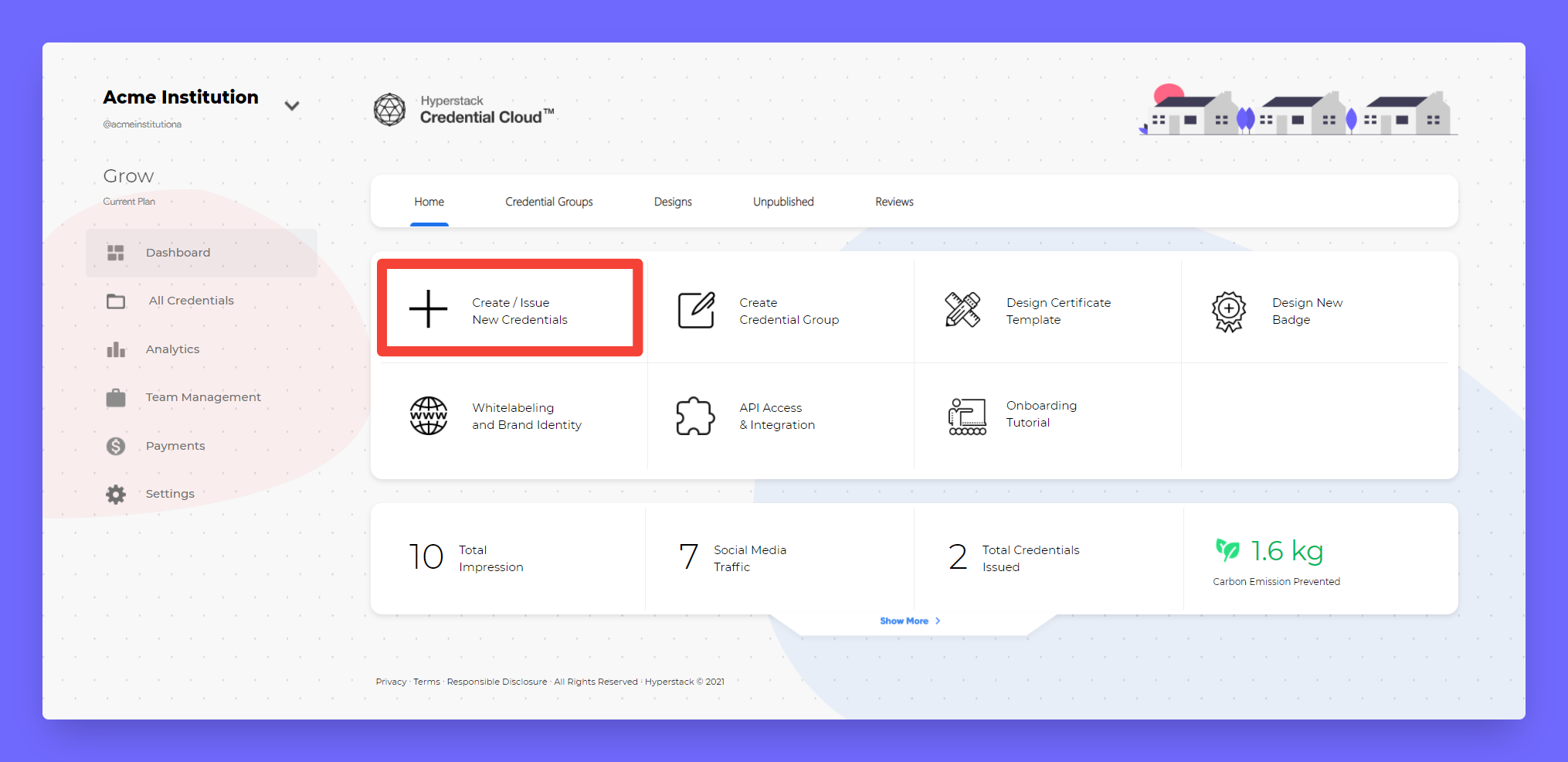
Metadata is the soul of a blockchain badge. It tells the story behind the credential: who issued it, what criteria were met, when it was earned, and even how to verify it. This data is encoded in JSON format and embedded within the badge file or referenced externally. Advanced platforms allow for custom metadata fields, enabling you to include project links, competency levels, or even micro-credentials. The richer the metadata, the more valuable the badge becomes—not just as a symbol of achievement, but as a dynamic tool for professional storytelling.
Choosing Your Blockchain Platform: Where to Anchor Your Credentials
Selecting the right blockchain platform is pivotal. It determines cost, scalability, interoperability, and the level of technical expertise required. Ethereum, the most well-known blockchain, supports smart contracts and offers robust tools like Open Badges and Badgr, but transaction fees (gas fees) can be prohibitive for frequent issuance. Hyperledger Indy, a permissioned blockchain, is ideal for enterprises and institutions requiring privacy and control, while Algorand offers low-cost, high-speed transactions suitable for large-scale credentialing.
For beginners, platforms like Hyperstack, Accredible, or Certif-ID provide user-friendly interfaces that abstract the blockchain complexity. These platforms handle the technical heavy lifting—issuing, storing, and verifying badges—while you focus on creating meaningful credentials. They often integrate with learning management systems (LMS), HR platforms, and e-portfolio tools, making adoption seamless. If you’re venturing into custom solutions, consider using APIs from blockchain networks like Ethereum or Polygon, paired with decentralized storage solutions such as IPFS or Filebase, to build a scalable, self-sovereign credentialing system.
Interoperability cannot be overlooked. Your badge should be readable across multiple platforms—from LinkedIn to digital wallets like Spruce ID or MetaMask. Look for platforms that support open standards like Open Badges or W3C Verifiable Credentials. These standards ensure that your badge remains portable and recognized globally, regardless of the issuing platform or recipient’s system. In a world where credentials are increasingly fragmented, interoperability is the bridge that connects your achievements to opportunity.
Step-by-Step: Issuing Your First Blockchain Badge
Ready to issue your first badge? Follow this structured process to ensure accuracy, security, and impact. Begin by defining the purpose of your badge. Is it for a course completion? A skill mastery? A professional milestone? Clarity in purpose guides every subsequent decision—from design to verification.
Step 1: Design Your Badge
Use graphic design tools like Canva, Adobe Illustrator, or Figma to create a visually compelling badge. It should reflect the issuer’s brand and the achievement’s significance. Include space for metadata embedding. Ensure the design is scalable (vector format preferred) and accessible (consider color contrast and alt text). A well-designed badge is not just attractive—it’s a silent ambassador of your credibility.
Step 2: Define Metadata
Create a JSON file containing essential fields: issuer, recipient, dateIssued, criteria, validFrom, validUntil, and evidence (links to work samples or assessments). Example:
{
  "issuer": "Acme Academy",
  "recipient": "Jane Doe",
  "dateIssued": "2025-09-15",
  "criteria": "Completed Advanced Blockchain Certification",
  "validFrom": "2025-09-15",
  "validUntil": "2030-09-15",
  "evidence": "https://acme.edu/portfolio/jane-doe"
}
This metadata will be embedded in the badge file or stored off-chain with a reference hash on the blockchain.
Step 3: Choose a Platform and Upload
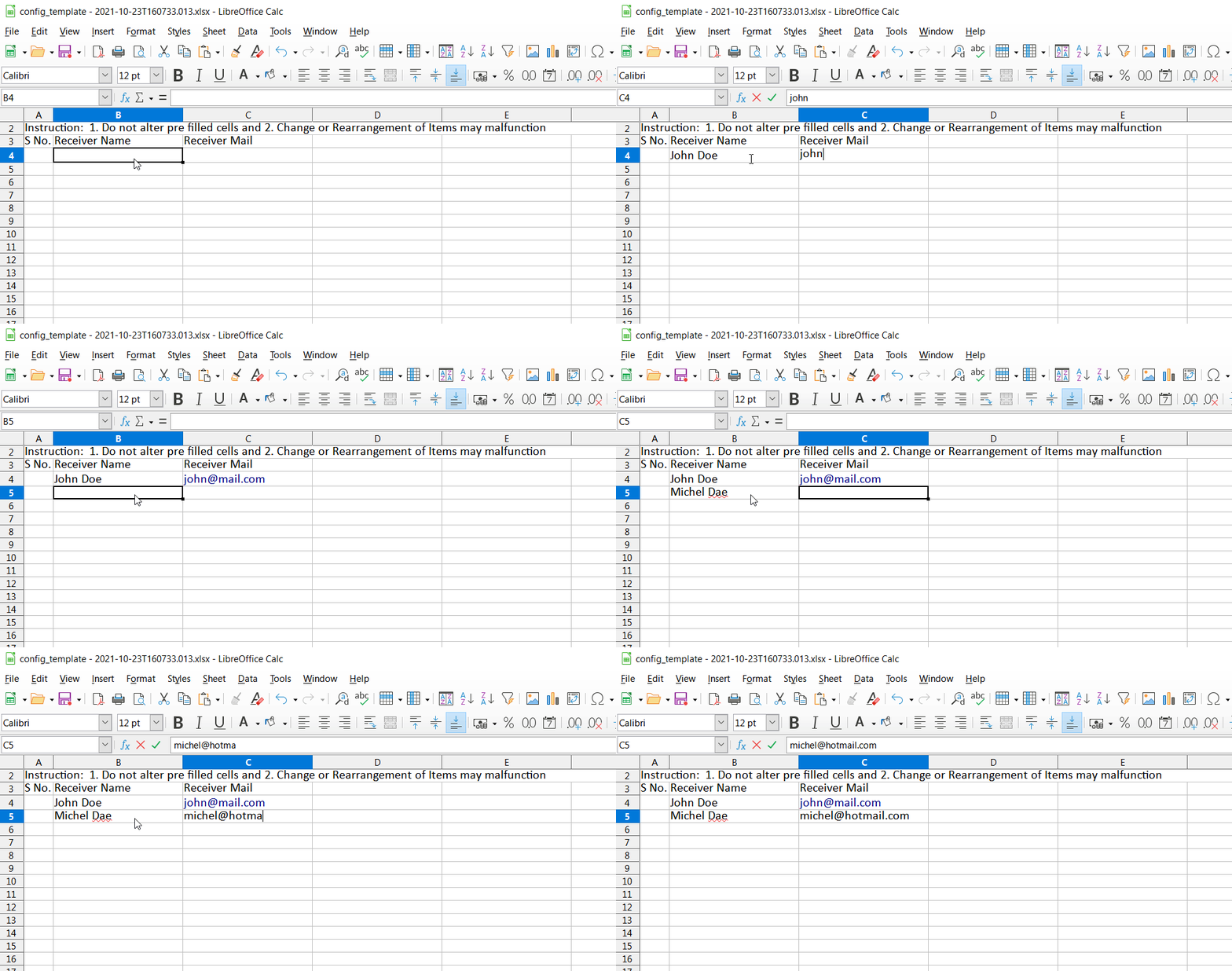
Sign up on your chosen platform (e.g., Hyperstack, Accredible). Upload your badge image and metadata. The platform will generate a unique ID and hash. For off-chain badges, the metadata is stored in IPFS, and the hash is recorded on-chain. This process takes seconds but creates a permanent, tamper-proof link between your badge and the blockchain.
Step 4: Issue the Badge
Enter the recipient’s email or wallet address. The platform sends a notification with a unique link to claim the badge. The recipient verifies their identity (often via email or crypto wallet) and accepts the credential. Once accepted, the badge is added to their digital wallet or profile. This step transforms a static image into a living, verifiable asset.
Step 5: Share and Verify
Encourage recipients to share their badge on LinkedIn, personal websites, or resumes. Each share includes a QR code or link that employers can scan to verify authenticity. The verification process is instantaneous—no phone calls, no waiting. The blockchain does the work, silently and securely.
Advanced Strategies: Elevating Your Badge Program
Once you’ve mastered the basics, consider elevating your program with advanced features. Implement time-bound credentials that expire and require renewal, ensuring skills remain current. Use nested credentials—badges that stack into micro-credentials or full certifications, creating a pathway for lifelong learning. Integrate smart contracts to automate badge issuance upon completion of predefined criteria, such as quiz scores or project submissions.
Leverage analytics to track badge distribution, engagement, and verification rates. Platforms like Accredible provide dashboards showing who has earned your badge, where it’s shared, and how often it’s verified. This data reveals the real-world impact of your credentials and helps refine your program over time. Imagine knowing that your blockchain badge increased job placement rates by 30%—not from surveys, but from verifiable blockchain data.
For institutions, consider bulk issuance tools that allow you to issue hundreds of badges in minutes. Pair this with automated email campaigns that guide recipients through claiming and sharing their credentials. The more seamless the process, the higher the adoption rate—and the greater the return on your credentialing investment.
Overcoming Common Challenges
Even the most well-intentioned programs face hurdles. One common challenge is recipient engagement. Not everyone understands the value of a blockchain badge. Combat this with clear communication: explain how it works, why it matters, and how to share it. Create a short explainer video or FAQ page. Highlight real-world benefits—like instant verification and global recognition.
Another challenge is technical complexity. If your team lacks blockchain expertise, partner with a platform provider or consultant. Many offer white-glove onboarding, training, and support. Start small—issue a single badge to a pilot group, gather feedback, and iterate. Perfection is not the goal; progress is.
Cost is often cited as a barrier, but it doesn’t have to be. Off-chain solutions minimize blockchain fees while maintaining security. Use layer-2 networks like Polygon or Arbitrum to reduce costs further. Remember: the value of a verifiable, portable credential far outweighs the initial investment in time and resources.
Future-Proofing Your Credentials
The future of credentials is decentralized, portable, and learner-centric. Blockchain badges are just the beginning. Soon, we’ll see self-sovereign identity (SSI) systems where individuals control their entire credential portfolio. Imagine a digital wallet that holds not just badges, but diplomas, licenses, and even medical records—all verifiable, shareable, and owned by the individual.
To prepare, adopt platforms that support W3C Verifiable Credentials and Decentralized Identifiers (DIDs). These standards ensure your badges remain compatible with emerging technologies. Stay informed about advancements in zero-knowledge proofs (ZKPs), which will enable private verification—proving you have a credential without revealing unnecessary personal data.
As AI and blockchain converge, expect credentials to become more dynamic. Imagine a badge that updates in real time based on new achievements, or one that integrates with smart contracts to trigger rewards—like discounts or access to exclusive networks. The possibilities are limited only by imagination.
Issuing your first blockchain-secured badge is more than a technical task—it’s a declaration of trust in a digital-first world. It’s a commitment to transparency, authenticity, and lifelong learning. As you embark on this journey, remember: every badge you issue is not just a symbol of achievement, but a building block in a new era of credentialing—one where your skills speak for themselves, unfiltered and unassailable.
Your first badge is just the beginning. The blockchain is your ledger. The world is your audience. Now, go issue something extraordinary.
Leave a comment