


Have you ever wondered why some communities bear the brunt of climate disasters while others seem to float above the chaos, shielded by wealth and infrastructure? What if the answer isn’t just about geography but about who holds the power to shape environmental policy? Climate justice isn’t just a buzzword—it’s a clarion call to rethink how we distribute the burdens and benefits of environmental stewardship. It’s about asking who gets to breathe clean air, who gets to drink uncontaminated water, and who gets to decide what “sustainability” even means. So, let’s dive into the tangled web of equity in environmental policy, where the stakes are sky-high, and the solutions are as complex as the problem itself.
Imagine, for a moment, that the planet’s ecosystems are a grand, interconnected orchestra. Each instrument—whether it’s a forest, a river, or a city skyline—plays a crucial role in maintaining harmony. Now, picture one section of the orchestra suddenly drowning out the rest, playing at a volume so deafening that the other instruments can barely be heard. That’s what happens when environmental policy prioritizes profit over people, convenience over care, and short-term gains over long-term survival. The result? A cacophony of inequality, where marginalized communities are left to play the dirtiest, most dissonant parts of the symphony.
The Great Divide: Who Bears the Burden of Climate Change?
Climate justice begins with a hard truth: the communities least responsible for climate change often suffer the most from its consequences. Take, for example, low-income neighborhoods situated near highways or industrial zones. These areas frequently experience higher levels of air pollution, leading to respiratory diseases, while wealthier communities enjoy the luxury of cleaner air, often miles away. It’s a modern-day environmental redlining, where the color of your zip code can determine your lifespan.
Consider the disproportionate impact of extreme weather events. When Hurricane Katrina ravaged New Orleans in 2005, the neighborhoods hardest hit were predominantly Black and low-income. The levees failed, but so did the systems designed to protect the most vulnerable. This isn’t a coincidence—it’s a pattern. Studies show that people of color and low-income populations are more likely to live in flood-prone areas, near hazardous waste sites, or in regions with inadequate infrastructure to withstand climate shocks. The question isn’t just about whether these communities will be affected; it’s about whether they’ll have the resources to recover when disaster strikes.
Policy with a Purpose: Equity as the North Star
So, how do we rewrite the rules of environmental policy to ensure fairness? The answer lies in centering equity—not as an afterthought, but as the guiding principle. This means designing policies that actively redistribute power, resources, and decision-making authority to those who’ve been historically excluded. It’s about moving beyond performative gestures and toward tangible action, like ensuring that frontline communities have a seat at the table when climate policies are drafted.
Take the Green New Deal, for instance. While it’s often debated in political circles, its core idea is revolutionary: a just transition to a sustainable economy that doesn’t leave anyone behind. This means investing in renewable energy projects in underserved communities, creating green jobs with living wages, and ensuring that the benefits of clean energy are accessible to all, not just the privileged few. But here’s the catch—policy alone isn’t enough. Implementation must be paired with accountability, transparency, and a willingness to confront systemic inequities head-on.
The Paradox of Progress: When Sustainability Excludes
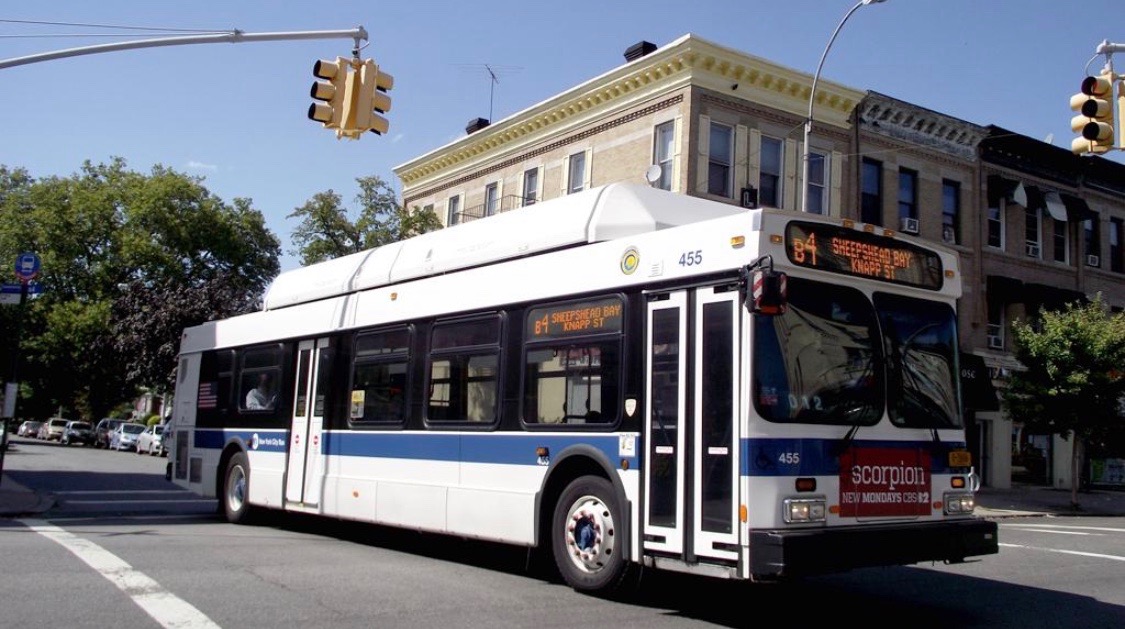
Here’s a thorny challenge: what happens when the push for sustainability inadvertently deepens inequality? It’s a paradox that’s playing out in cities across the globe. As urban areas adopt green initiatives like bike lanes, pedestrian zones, and urban forests, property values soar, pushing out long-time residents who can no longer afford to live there. Gentrification, it turns out, isn’t just a housing crisis—it’s an environmental justice crisis too.
Consider the case of Portland, Oregon, where the city’s commitment to sustainability has led to an influx of eco-conscious residents and businesses. While this has reduced the city’s carbon footprint, it’s also driven up housing costs, displacing communities of color who’ve called Portland home for generations. The irony? The very policies designed to protect the planet are accelerating the erasure of the people who’ve lived sustainably for decades, long before the term became trendy. This isn’t progress—it’s ecological gentrification, and it’s a problem that demands creative solutions, like community land trusts or rent control measures tied to green initiatives.
Indigenous Wisdom: The Missing Link in Environmental Policy
If we’re serious about climate justice, we must look to the communities that have been stewards of the land for centuries: Indigenous peoples. Their knowledge systems, honed over millennia, offer invaluable insights into sustainable living, from controlled burns to regenerative agriculture. Yet, these voices are often sidelined in policy discussions, treated as quaint folklore rather than essential expertise.
Take the Standing Rock Sioux Tribe’s fight against the Dakota Access Pipeline. Their resistance wasn’t just about protecting water—it was about asserting their sovereignty over ancestral lands and rejecting a project that threatened their way of life. This isn’t a single-issue battle; it’s a fight for the right to define what sustainability means on their own terms. When Indigenous communities lead environmental policy, the results are transformative. Projects like the Mauna Kea protectors’ campaign in Hawaii or the Māori-led conservation efforts in New Zealand prove that sustainability isn’t a one-size-fits-all concept. It’s a living, breathing practice shaped by culture, history, and a deep connection to the land.
The Corporate Conundrum: Can Profit and Equity Coexist?
Let’s be real: the biggest obstacle to climate justice isn’t a lack of ideas—it’s the entrenched power of corporations that prioritize shareholder returns over planetary health. From fossil fuel giants to agribusiness conglomerates, these entities have spent decades shaping policies to their advantage, often at the expense of the communities they exploit. So, how do we hold them accountable?
The answer lies in redefining corporate responsibility. It’s not enough for companies to slap a “green” label on their products or donate to environmental charities. True accountability means embedding equity into their core operations—paying fair wages, reducing pollution in marginalized communities, and ensuring that their supply chains don’t rely on exploited labor. It means supporting policies like the Polluter Pays Principle, which holds corporations financially responsible for the environmental damage they cause. And it means empowering workers to unionize, ensuring that the transition to a green economy doesn’t leave anyone behind.
A Call to Action: What Can You Do?
Climate justice isn’t a spectator sport. It’s a movement that requires all of us to show up—not just with our wallets, but with our voices, our votes, and our willingness to challenge the status quo. Start by educating yourself on the issues affecting your community. Attend local city council meetings, join environmental justice organizations, or support Indigenous-led land back initiatives. Demand that your representatives prioritize equity in every climate policy they propose. And most importantly, recognize that your individual actions, while important, are just one thread in a much larger tapestry of change.
Remember, the fight for climate justice isn’t about saving the planet for future generations—it’s about ensuring that the people who’ve been fighting for their right to exist on this planet for generations aren’t left behind in the process. It’s about asking hard questions, like who gets to decide what’s “fair,” and who gets to enjoy the fruits of a sustainable future. The answers won’t come easy, but they’re worth fighting for.
The clock is ticking, and the orchestra is waiting. Will you play your part?
Leave a comment