


In an era where remote work and freelancing have become the norm, the design of your home office can make or break your productivity. A well-crafted workspace isn’t just about aesthetics—it’s about creating an environment that fuels focus, creativity, and efficiency. Whether you’re a seasoned professional or a budding entrepreneur, the right setup can transform your workday from a slog into a seamless flow of productivity. Below, we explore the key elements to consider when building a home office that inspires and sustains high performance.
The Foundation: Choosing the Right Location
The first step in designing a productive home office is selecting the ideal location. Your workspace should be a dedicated area, separate from distractions like household noise or high-traffic zones. If possible, opt for a room with natural light, as sunlight regulates circadian rhythms and boosts mood and energy levels. A quiet corner with minimal foot traffic can also serve as a sanctuary for deep work. Avoid spaces that double as relaxation areas—your brain should associate the office with productivity, not leisure.
If space is limited, consider a nook under the stairs, a section of your bedroom, or even a converted closet. The goal is to carve out a zone that feels distinctly “work-oriented,” even if it’s small. Ergonomics matter here too; invest in a chair that supports your spine and a desk at the correct height to prevent strain. A poorly chosen location can lead to discomfort and reduced efficiency, so prioritize functionality over convenience.
Lighting: The Power of Natural and Artificial Illumination
Lighting is one of the most underrated yet critical factors in a productive workspace. Natural light is ideal, as it reduces eye strain and enhances alertness. Position your desk near a window, but avoid glare on your screen by using adjustable blinds or curtains. If natural light is scarce, layer your lighting with a combination of ambient, task, and accent lights. A well-placed desk lamp with a warm, adjustable brightness can mimic natural light and prevent fatigue during long hours.
For video calls and late-night work sessions, invest in a high-quality LED bulb with a color temperature close to daylight (around 5000K). Avoid harsh fluorescent lighting, which can cause headaches and drain energy. Smart lighting systems, like Philips Hue or LIFX, allow you to customize color temperatures and brightness levels throughout the day, syncing with your circadian rhythm for optimal performance.

Ergonomics: Designing for Comfort and Efficiency
A productive workspace is an ergonomic one. Poor posture and repetitive strain can lead to chronic pain and decreased output. Start with a chair that offers lumbar support and adjustable height. Your feet should rest flat on the floor, with your knees at a 90-degree angle. Pair this with a desk that allows your elbows to stay at a comfortable 90-degree angle when typing.
Consider a standing desk or a desk converter if you prefer alternating between sitting and standing. These options promote movement and reduce the risks associated with prolonged sitting. Accessories like a monitor riser, keyboard tray, and footrest can further enhance comfort. Don’t overlook the importance of wrist rests for your mouse and keyboard to prevent carpal tunnel syndrome. Ergonomics isn’t just about comfort—it’s about sustaining productivity without sacrificing your health.
Organization: Streamlining Your Workflow
Clutter is the enemy of productivity. A disorganized workspace can overwhelm your brain and derail focus. Start by decluttering your desk and keeping only essential items within arm’s reach. Use desk organizers, drawer dividers, and cable management systems to maintain order. Digital clutter is just as detrimental; keep your desktop tidy and use cloud storage or external drives to archive old files.
Implement a filing system for physical documents, whether it’s a simple label system or a more elaborate setup with binders and folders. For digital files, adopt a consistent naming convention and folder structure. Tools like Notion, Trello, or Evernote can help you manage tasks and projects efficiently. A well-organized workspace minimizes distractions and allows you to focus on what truly matters: your work.
Personalization: Infusing Your Personality into the Space
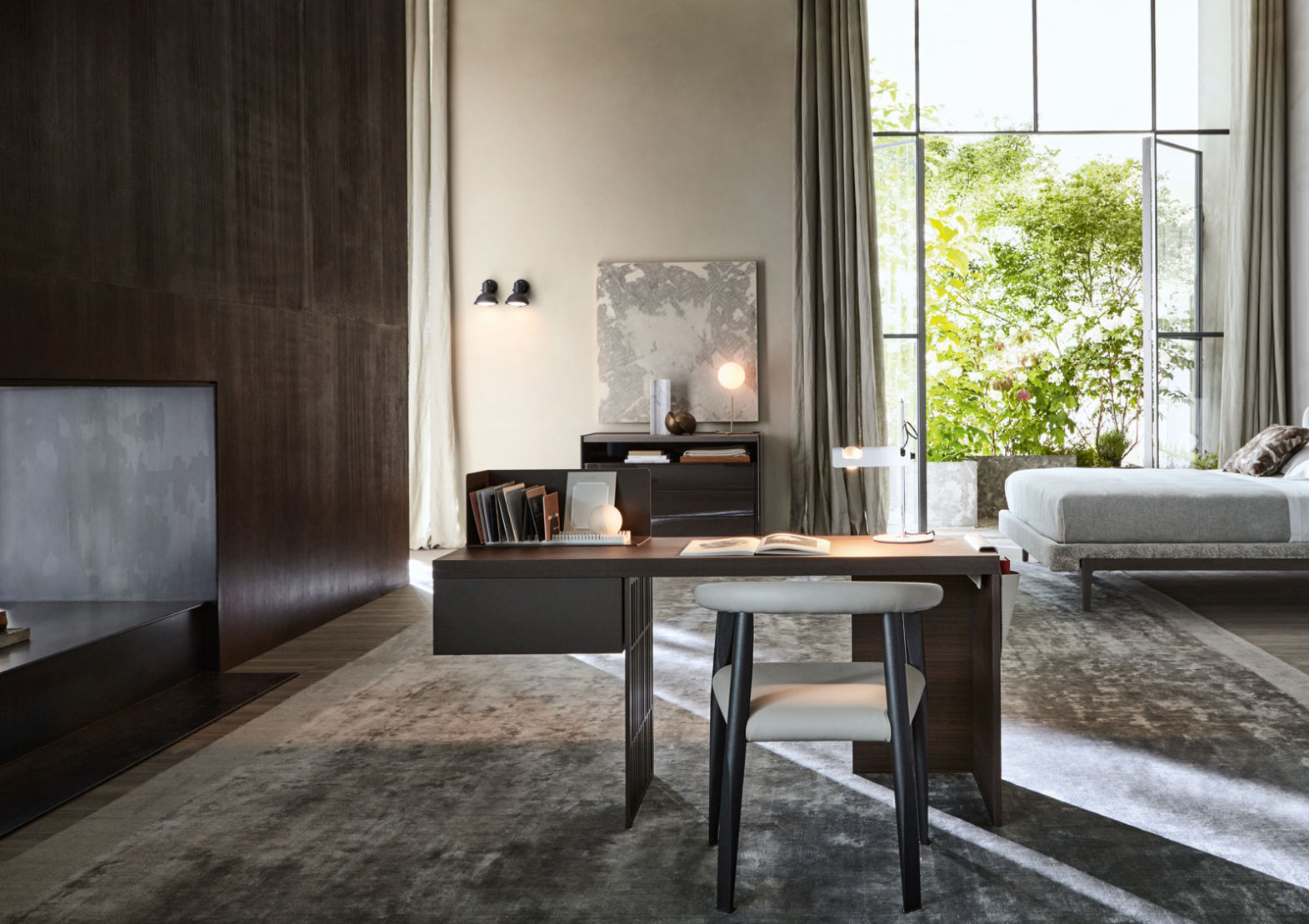
While functionality is paramount, your home office should also reflect your personality. Surround yourself with items that inspire and motivate you—whether it’s artwork, plants, or a vision board. A touch of greenery, like a snake plant or a small bonsai, can improve air quality and add a calming element to the space. Personal mementos, such as family photos or travel souvenirs, can make the office feel more inviting and less sterile.
Consider the psychological impact of colors. Blue and green hues are known to enhance focus and calmness, while yellow can stimulate creativity. Choose a color scheme that resonates with your work style and preferences. If you thrive in a minimalist environment, opt for clean lines and neutral tones. If you’re drawn to a cozy, eclectic vibe, incorporate textures and patterns that spark joy.
Technology: Equipping Your Office for Success
A modern home office requires the right technology to stay competitive. Invest in a reliable computer or laptop with sufficient processing power for your tasks. Dual monitors can significantly boost productivity by allowing you to multitask efficiently. Ensure your internet connection is stable and fast, as lagging speeds can disrupt workflow.
Noise-canceling headphones are a game-changer for blocking out distractions, especially in shared living spaces. A high-quality webcam and microphone are essential for virtual meetings, while a printer and scanner can handle physical documents. Smart home devices, like a voice assistant or smart plug, can automate routine tasks and streamline your workflow. Don’t forget to back up your data regularly to prevent loss.
Mindset: Cultivating a Productive Environment
Beyond the physical setup, your mindset plays a crucial role in productivity. Start by establishing a routine that signals the beginning and end of your workday. This could include a morning ritual, like a cup of coffee and a short walk, or an evening shutdown routine to transition out of work mode. Set clear boundaries with household members to minimize interruptions during work hours.
Incorporate breaks into your schedule to recharge. Techniques like the Pomodoro method—working for 25 minutes followed by a 5-minute break—can maintain focus and prevent burnout. Use your breaks to stretch, hydrate, or step outside for fresh air. A well-rested mind is more creative and efficient, so prioritize sleep and self-care.

Sustainability: Creating a Long-Term Productive Space
A productive home office is one that evolves with your needs. Regularly assess your setup to identify what’s working and what’s not. Upgrade your equipment as technology advances, and don’t hesitate to rearrange furniture to optimize flow. Incorporate sustainable practices, such as using energy-efficient lighting or eco-friendly office supplies, to reduce your environmental footprint.
As your career grows, your workspace may need to adapt. Whether it’s expanding to accommodate a team or incorporating new tools, flexibility is key. A well-designed home office isn’t static—it’s a dynamic environment that grows with you, ensuring sustained productivity and inspiration for years to come.
Leave a comment