


The Labyrinth of Shallow Attention
Imagine a world where your attention is not yours. A constant hum of pinged notifications, a scattered trail of half-read emails, and the suffocating buzz of open-plan offices—this is the modern amphitheater of the performing professional. We have been trained, not by design but by default, to excel at shallowness. We skim, we react, we multi-task into a brittle, anxious oblivion. Yet, beneath this thin, choppy surface lies a forgotten continent: the deep. It is not a place for the faint of heart, but for those who dare to descend beneath the noise, a hidden reef of profound productivity and quiet, uncompromising mastery. The most precious resource of the 21st century is not time, but the ability to direct concentrated energy toward a single, complex problem. This is the blue water of the cognitive ocean, and its currents are reserved for the professional who learns to navigate without a map of distractions.
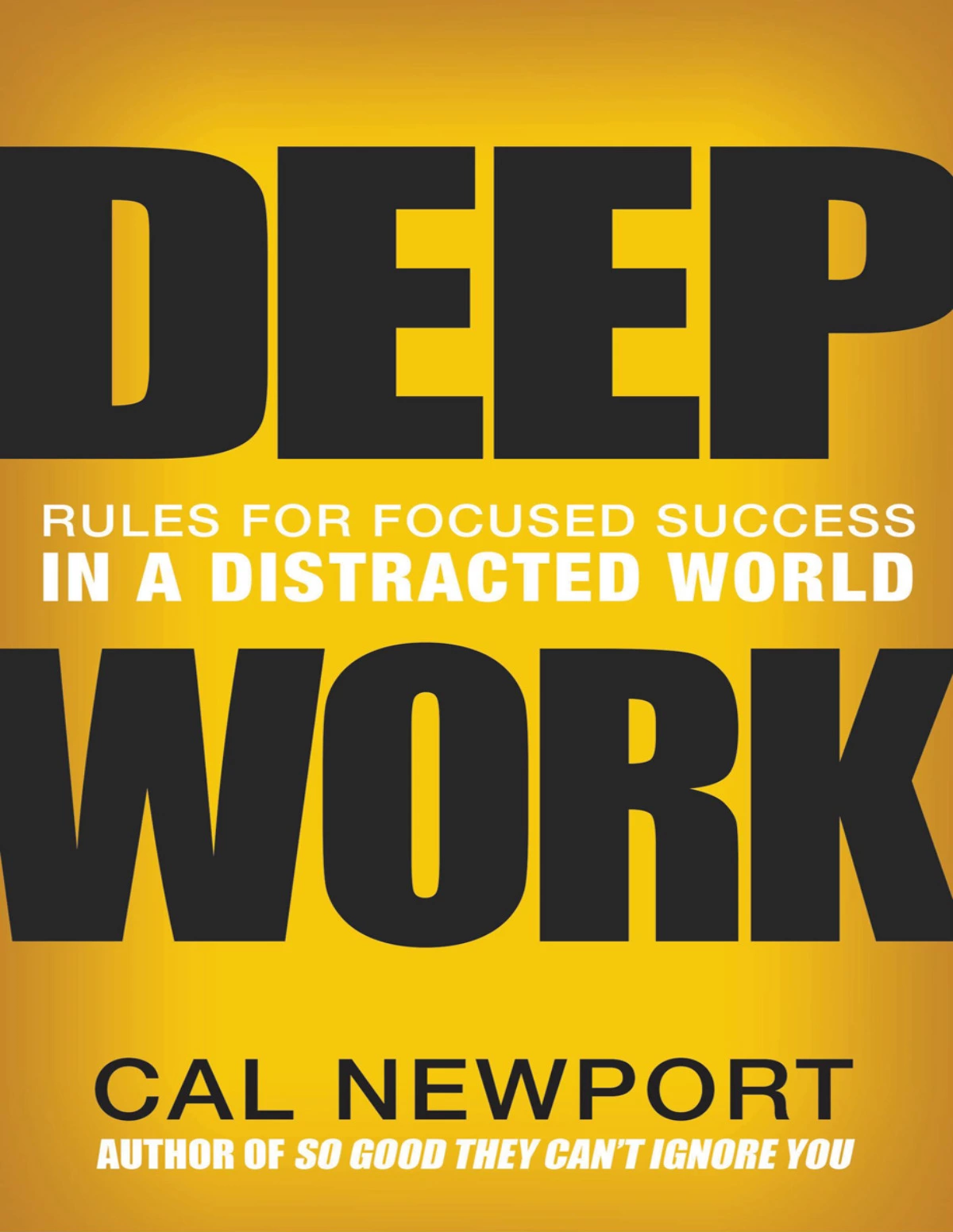
Depth as a Scarce Commodity
Why is depth so radically rare? Because our entire professional infrastructure has been engineered against it. The open office is a cockpit of chaos. The instant message is a velvet dagger to concentration. The very tools we believe make us efficient—email, Slack, collaborative software—are designed to capture and monetize our attention, not to preserve it. To practice deep work is to cultivate a rebellious economy of focus. The professional who can slip into a state of intense, undisturbed concentration for four hours a day wields a craft far more valuable than the colleague who spends eight hours in a reactive frenzy. This is not about working harder; it is about entering a particular state of mind where cognitive resources compact into a laser. In this state, a difficult code fragment breaks open, a strategic argument crystallizes, a creative problem surrenders. The reward is not just output, but a profound sense of fulfillment that shallow tasks can never provide. This is the secret of mastery: the ability to make the hard things feel inevitable through the sheer gravity of sustained attention.
The Granite Block of Your Day
Protecting depth requires architectural rigor. It is not enough to simply “try” to focus. You must build a fortress around your time. Consider the philosophy of the “monastic” approach: blocking out entire weeks, or even months, for a single, massive project. For most, a more practical strategy is the “bimodal” one: reserving distinct days or hours for deep work, while leaving the rest for the necessary shallows. The most sustainable method for the modern professional, however, is the “rhythmic” approach—a daily, unmovable ritual. For two hours every morning, before the world wakes up, you close your door, turn off your phone, and face the abyss of a single, hard problem. This is not a suggestion; it is a boundary. Like a skilled blacksmith striking hot iron, you must strike the same cognitive anvil at the same time each day. The rhythm itself becomes the trigger, and after a few weeks, your mind will anticipate the descent, building a Pavlovian readiness for deep thought. The key is ruthless consistency, not heroic bursts of willpower.
Digital Minimalism and the Craft of Boredom
The enemy of deep work is not laziness; it is the fear of boredom. Our brains have become addicted to the mild dopamine hits of checking a phone. When plunged into a moment of silence, we instinctively reach for the digital pacifier. To reclaim depth, you must first embrace the uncomfortable state of doing nothing. This is not sloth; it is cognitive training. Schedule time for productive boredom—a walk without a podcast, a commute without scrolling. Let your mind wander, chew on a problem it cannot solve, and let the unconscious do its quiet work. For most, the initial resistance is a shock. It feels like withdrawal, the tremors of a brain jonesing for its next fix of distraction. But this discomfort is the crucible. Lean into it. Practice the art of deliberate isolation from your tools. Quit social media if it is a parasite on your focus. Treat your phone like a tool, not a companion. The digital minimalism movement is not about Luddite ideals; it is about the ruthless curation of inputs. Every app, every notification, is a potential thief of your most finite resource. Guard your gate.
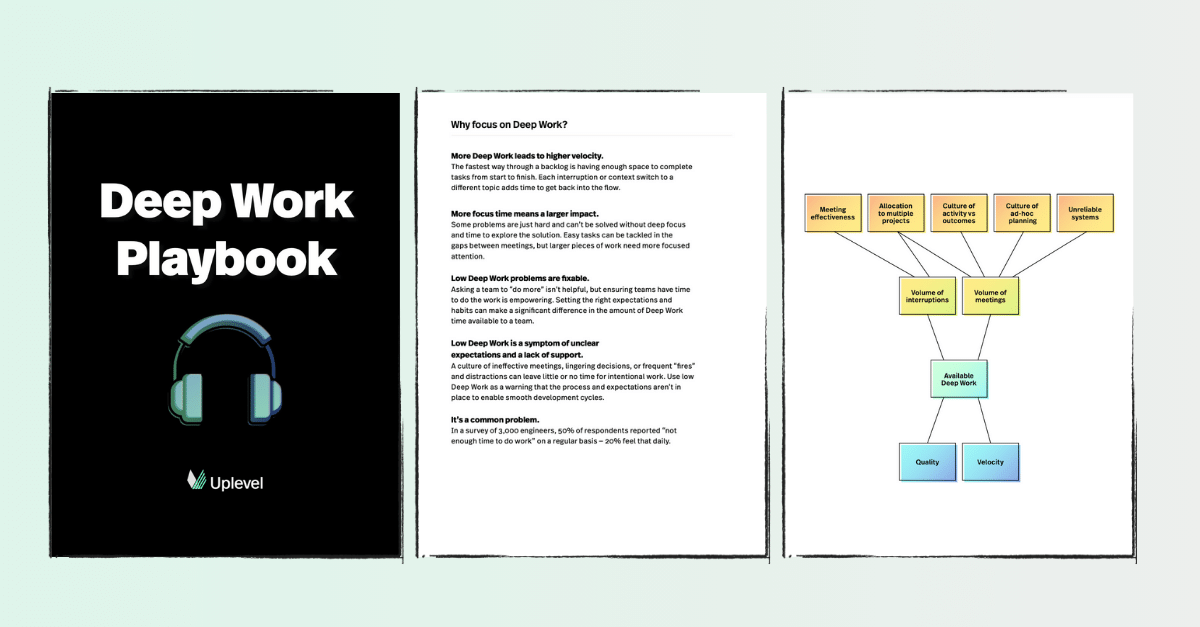
The Rituals of the Deep Diver
Preparation is the secret of the master. Before you dive, you must assemble your gear. This means a deep work environment free of visual clutter. A clean desk, a specific playlist (or silence), a ready supply of water, and a single, defined goal for the session. “Write the report” is too vague. The goal must be surgically precise: “Write the first three paragraphs of the report’s introduction that explain the cost-benefit analysis.” This granular clarity gives your brain a target. It prevents the paralysis of the blank page. Furthermore, embrace the concept of “downtime as fuel.” After a deep work session, you must truly stop. Do not switch to shallow tasks. Allow your mind to decompress. Go for a run, cook a meal, converse with a human. The deep mind works best when it is cycled with true rest. The modern professional who burns the candle at both ends is not productive; they are merely burning. Deep work requires periods of deliberate laziness for the unconscious to synthesize information. It is in the valleys of rest that the mountains of insight are born.
The Blueprint, Not the Destination
This blueprint is not a set of rules but a compass. It points toward a richer, more meaningful professional existence. It asks you to reject the tyranny of the urgent and to embrace the sovereignty of the essential. The results will not come overnight. The first weeks will feel like struggling against a strong current. You will miss messages. Some emails will go unanswered. But you will discover something precious: the quality of your output, the depth of your thinking, and the calm confidence that comes from knowing you are not a passive responder, but an active shaper of your world. This is the quiet revolution of the deep—a rebellion waged not with noise, but with the potent, concentrated silence of a mind fully alive.
Leave a comment