


The modern supply chain is no longer just a logistical backbone—it’s a living ecosystem where sustainability, ethics, and resilience converge. Yet, despite growing awareness, many supply chain managers still grapple with a persistent paradox: Why do so many organizations acknowledge the urgency of ESG (Environmental, Social, and Governance) integration, yet struggle to translate awareness into action? The answer lies not in the complexity of ESG itself, but in the gap between aspiration and execution—a chasm often bridged by targeted, immersive training. This case study explores how tailored ESG training for supply chain managers doesn’t just educate; it transforms mindsets, redefines priorities, and unlocks measurable impact.
Imagine a supply chain manager reviewing a quarterly report, only to realize that a key supplier’s labor practices have slipped beneath ethical thresholds—or that a shipment’s carbon footprint has ballooned due to unchecked emissions. These aren’t hypotheticals; they’re real-world flashpoints that demand immediate, informed responses. Yet, without structured ESG training, even the most seasoned professionals can find themselves navigating uncharted terrain, where traditional KPIs like cost and speed collide with emerging metrics like Scope 3 emissions and social equity. The solution? A curriculum that doesn’t just preach sustainability but embeds it into the DNA of supply chain decision-making.
The ESG Training Imperative: Why One-Size-Fits-All Fails
Generic ESG training modules often fall short because they treat supply chains as monolithic entities. In reality, every supply chain is a bespoke network of stakeholders, regulations, and risks. A pharmaceutical supply chain, for instance, faces stringent compliance demands around hazardous materials, while a fashion brand must prioritize ethical sourcing and water usage. Effective training must therefore be hyper-contextual, addressing sector-specific challenges with precision.
Consider the case of a global electronics manufacturer that implemented a modular ESG training program. The curriculum was divided into tracks: one for procurement teams focused on supplier audits and ethical sourcing, another for logistics teams centered on carbon-neutral shipping, and a third for warehouse managers on circular economy principles. The result? A 34% reduction in supplier-related ESG violations within 18 months—a testament to the power of targeted education. The key insight here is that ESG training isn’t about ticking boxes; it’s about equipping teams with the tools to anticipate, adapt, and act before risks escalate into crises.
From Theory to Practice: Case Study in Action
Let’s dissect a real-world training initiative that turned theory into tangible outcomes. A multinational agribusiness partnered with a sustainability consultancy to design a six-month ESG immersion program for its supply chain leadership. The program blended virtual workshops, on-site audits, and gamified simulations—where managers were tasked with optimizing a virtual supply chain under ESG constraints. The simulations, for example, forced teams to balance cost pressures with deforestation risks in soy sourcing, mirroring the trade-offs they’d face in the field.
The training’s crowning achievement was a reverse mentorship component, where junior analysts paired with senior leaders to co-develop ESG strategies. This flipped the traditional hierarchy, fostering innovation from unexpected quarters. One standout outcome: a pilot program to replace diesel-powered farm equipment with solar-assisted machinery, reducing emissions by 22% and cutting fuel costs by 15%. The lesson? ESG training thrives when it’s collaborative, iterative, and rooted in real operational challenges.
The Hidden Curriculum: Soft Skills That Drive Hard Results
While technical ESG frameworks like ISO 14001 or the GRI Standards provide structure, the most transformative training programs also cultivate soft skills—those intangible yet critical competencies that separate good managers from great ones. Empathy, for instance, is a game-changer when negotiating with suppliers in regions plagued by labor abuses. Training modules that incorporate role-playing exercises, where managers role-play as factory workers or local community members, can shatter blind spots and foster deeper accountability.
Another often-overlooked skill is systems thinking. Supply chains are rife with unintended consequences—banning single-use plastics in packaging might reduce waste but could inadvertently increase food spoilage due to inadequate preservation methods. Training that emphasizes holistic problem-solving helps managers see these domino effects before they unfold. A leading beverage company’s ESG training included a module on “ripple effect analysis,” where teams mapped out the cascading impacts of their decisions across the supply chain. The exercise revealed that sourcing recycled aluminum for cans would not only cut emissions but also stabilize local recycling economies—a win-win that hadn’t been on their radar.

Measuring What Matters: The ROI of ESG Training
Critics of ESG training often question its return on investment, but the data tells a compelling story. A 2023 study by McKinsey found that companies with advanced ESG integration in their supply chains reported a 10% higher EBITDA margin compared to peers, driven by reduced regulatory fines, lower operational risks, and enhanced brand loyalty. Yet, measuring the direct impact of training requires more than just financial metrics. Forward-thinking organizations are turning to ESG maturity assessments, which evaluate a team’s ability to identify, mitigate, and report on sustainability risks.
One European logistics firm took this a step further by integrating ESG training outcomes into its performance reviews. Managers were scored not only on traditional KPIs but also on their ability to implement ESG-driven improvements. The result? A 40% increase in employee engagement with sustainability initiatives and a 28% reduction in supply chain disruptions linked to ESG failures. The message is clear: when ESG training is tied to career growth and organizational success, it ceases to be a checkbox exercise and becomes a strategic imperative.
The Future of ESG Training: AI, VR, and Beyond
The next frontier of ESG training lies in immersive technologies. Virtual reality (VR) simulations, for example, can drop managers into a factory fire or a deforestation hotspot, forcing them to make split-second decisions under pressure. AI-driven platforms are also emerging, offering personalized learning paths that adapt to a manager’s role, past performance, and even psychological profile. Imagine an AI tutor that detects a manager’s tendency to prioritize cost over ethics and gently nudges them toward a more balanced approach.
Another trend is the rise of micro-credentials—bite-sized certifications that allow professionals to upskill incrementally. For supply chain managers, these might include badges in “Carbon Footprint Optimization” or “Ethical Sourcing Compliance,” which can be displayed on LinkedIn or internal profiles. The beauty of micro-credentials is their flexibility; they cater to busy professionals who can’t commit to lengthy programs but still crave continuous learning.
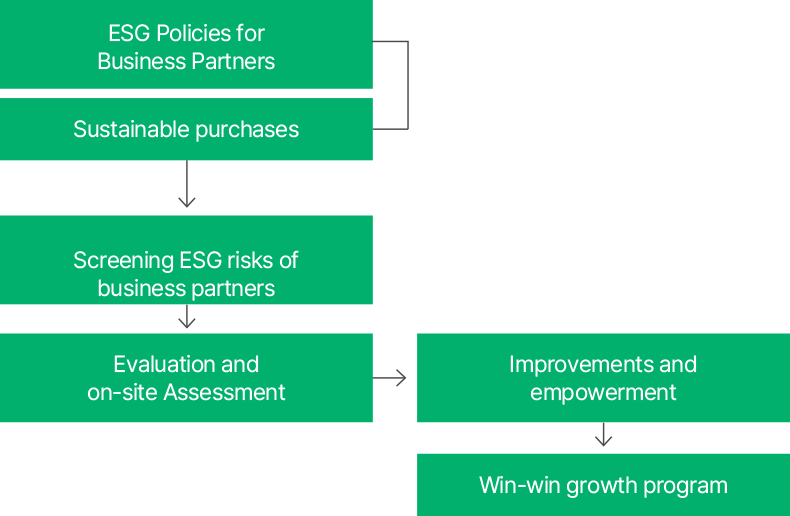
The journey from ESG awareness to mastery is not a sprint—it’s a metamorphosis. It requires unlearning outdated paradigms, embracing discomfort, and fostering a culture where sustainability is not an add-on but a core competency. For supply chain managers, this transformation is both a challenge and an opportunity. The organizations that seize it will not only future-proof their operations but also redefine what it means to lead in a world where profit and purpose are inextricably linked.
As the boundaries between supply chain efficiency and global responsibility blur, one truth becomes undeniable: the managers who thrive will be those who see ESG not as a regulatory hurdle, but as a compass—one that guides them toward resilience, innovation, and lasting impact. The training is the spark; the mindset shift is the flame. And in the crucible of today’s supply chains, that flame is the difference between surviving and thriving.
Leave a comment