


In a world where algorithms hum lullabies to our curiosity and machines compose sonnets at the stroke of a prompt, one question lingers like a shadow in the neon glow of progress: Is GenAI a friend or foe? It’s not just a philosophical musing—it’s a digital riddle wrapped in silicon and curiosity, beckoning us to peer into the looking glass of artificial intelligence. But as we stand on the precipice of this brave new frontier, a playful challenge emerges: Can we harness the power of generative AI without losing the essence of what makes us human?
Imagine waking up to a world where your morning coffee is brewed by an AI that remembers your exact brew strength, your calendar is auto-scheduled by a digital assistant that anticipates your mood, and your inbox is curated by a bot that filters out the noise of modern life. Sounds like a utopia, right? Yet, lurking beneath this shimmering veneer of convenience is a subtle undercurrent of unease. What happens when the lines between creator and creation blur? When the stories we tell, the art we admire, and the knowledge we seek are no longer solely the product of human hands and hearts? The question isn’t just about whether GenAI is a friend or foe—it’s about how we navigate the delicate dance between innovation and identity in an era where machines are learning to mimic, and sometimes surpass, our very own creativity.
The Allure of GenAI: A Digital Alchemist at Your Fingertips
GenAI is the modern-day sorcerer, conjuring text, images, and even music from the ether of data. It’s the silent partner in creativity, the tireless collaborator that never sleeps, never tires, and never complains about writer’s block. For professionals drowning in spreadsheets, students grappling with deadlines, or artists seeking inspiration, GenAI is a godsend—a tool that democratizes creativity and accelerates productivity. It can draft emails in seconds, generate marketing copy that resonates with audiences, and even compose symphonies that tug at the heartstrings. The allure is undeniable: GenAI doesn’t just assist; it elevates, transforming the mundane into the extraordinary with a few keystrokes.
Yet, this digital alchemy comes with a caveat. The same tool that crafts a hauntingly beautiful poem can also churn out a shallow, soulless imitation of human expression. The line between authenticity and artifice grows thinner with each passing day. When a machine can mimic Shakespeare’s prose or Picasso’s brushstrokes, what becomes of the original? The risk isn’t just that GenAI will replace human creativity—it’s that it might dilute the very essence of what makes creativity meaningful. After all, a sonnet written by a human heart carries the weight of lived experience, while one generated by an algorithm is a hollow echo, no matter how eloquent.
The Shadow Side: When Machines Learn to Lie
GenAI isn’t just a tool—it’s a mimic, a chameleon that adapts to its surroundings with eerie precision. But what happens when this mimicry turns malevolent? The rise of deepfakes, AI-generated misinformation, and synthetic personas has already begun to erode trust in the digital realm. A voice clone can impersonate a loved one, a text generator can fabricate news articles, and an image creator can produce photorealistic scenes that never existed. The challenge isn’t just technological; it’s existential. In a world where seeing isn’t believing, how do we discern truth from fabrication?
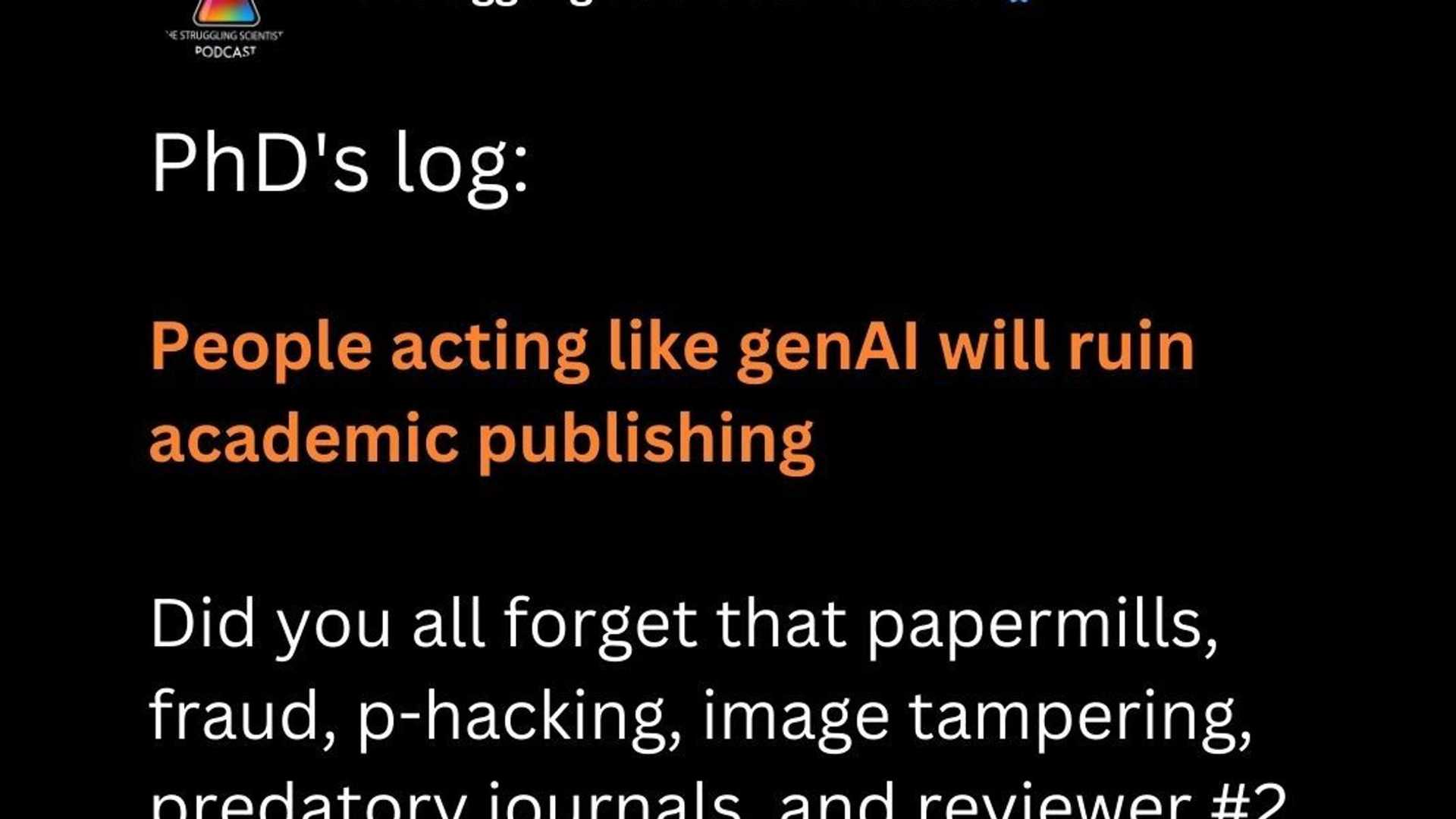
Consider the academic sphere, where students increasingly turn to AI for essays and research papers. The temptation is understandable—why spend hours laboring over a thesis when a machine can produce a polished, error-free draft in minutes? Yet, this convenience comes at a cost. Education thrives on the struggle of learning, the messy process of trial and error, and the personal growth that comes from grappling with ideas. When GenAI removes that struggle, it doesn’t just simplify the task—it undermines the very purpose of education. Knowledge isn’t just about the answers; it’s about the journey to find them.
The Workplace Revolution: GenAI as the Ultimate Disruptor
In the corporate jungle, GenAI is both predator and prey. It automates tasks that once required human labor, from drafting contracts to analyzing data, leaving professionals to wonder: Will my job be next? The answer isn’t a simple yes or no—it’s a nuanced dance of adaptation and evolution. Industries that embrace GenAI as a collaborator, rather than a competitor, will thrive. Those that resist may find themselves left behind in the dust of progress.
Take the world of accounting, for instance. GenAI can sift through mountains of financial data in seconds, spotting anomalies and trends that might elude even the most seasoned human eye. It can generate reports, predict market shifts, and even draft client communications. But here’s the catch: accounting isn’t just about numbers—it’s about trust, judgment, and the human touch. A machine can crunch the data, but it can’t understand the story behind it. It can’t sense the anxiety in a client’s voice or the urgency in a deadline. The future of work isn’t about humans versus machines; it’s about humans with machines, leveraging their strengths to achieve what was once unimaginable.
The challenge, then, is to redefine our roles in an AI-augmented world. Instead of fearing obsolescence, we must ask: How can we use GenAI to amplify our unique human capabilities? The answer lies in creativity, empathy, and critical thinking—qualities that machines, for all their sophistication, have yet to master.
The Ethical Tightrope: Navigating the Gray Areas
GenAI doesn’t operate in a vacuum—it’s shaped by the data it’s fed, the biases it inherits, and the intentions of its creators. The ethical implications are vast and often murky. Who owns the output of an AI? If a machine generates a piece of art, who holds the copyright? If an AI-powered chatbot provides medical advice that leads to harm, who is responsible? These aren’t just hypothetical questions; they’re urgent dilemmas that demand thoughtful solutions.
Consider the issue of bias. GenAI learns from the data it’s trained on, and if that data is riddled with prejudices, the AI will perpetuate them. A hiring algorithm might favor certain demographics, a loan approval system could discriminate unknowingly, and a content generator might reinforce stereotypes. The challenge isn’t just to build better AI—it’s to build AI that reflects the best of humanity, not the worst. This requires transparency, accountability, and a commitment to ethical design.
Then there’s the question of consent. If an AI generates a piece of content using your writing style, your voice, or even your facial features, do you have the right to opt out? As GenAI becomes more sophisticated, the boundaries of privacy and ownership will blur. The legal frameworks of today may struggle to keep pace with the innovations of tomorrow. The onus isn’t just on technologists—it’s on society to demand accountability and set the standards for what’s acceptable.
The Human Touch: Why GenAI Will Never Replace the Irreplaceable
Despite its prowess, GenAI is fundamentally limited by one critical factor: it lacks consciousness. It doesn’t feel joy, sorrow, or inspiration. It doesn’t dream. It doesn’t have a soul. And it’s this very absence of humanity that makes the human touch irreplaceable. GenAI can mimic emotion, but it can’t truly emote. It can generate a heartfelt message, but it can’t feel the sentiment behind it.
This is where the true power of GenAI lies—not in replacing humans, but in complementing them. A musician can use GenAI to compose a melody, but it’s the musician who infuses it with emotion. A writer can use GenAI to brainstorm ideas, but it’s the writer who crafts the narrative. The future isn’t about man versus machine; it’s about the synergy between the two. GenAI can handle the repetitive, the analytical, the predictable—but it’s humans who bring the magic of unpredictability, the spark of innovation, and the depth of human experience.
In the end, the question of whether GenAI is a friend or foe isn’t a binary one. It’s a spectrum, a continuum of possibilities that depends on how we choose to wield this powerful tool. Will we let it erode our humanity, or will we use it to amplify our potential? The answer lies in our hands—or rather, in our prompts.
As we stand at the crossroads of this technological revolution, one thing is clear: GenAI is neither inherently good nor evil. It’s a mirror, reflecting the best and worst of our intentions, our creativity, and our ethics. The challenge isn’t to fear the future—it’s to shape it. To ensure that as we march forward into the age of artificial intelligence, we do so with our humanity intact, our values unshaken, and our curiosity unbridled. After all, the most extraordinary feats of GenAI aren’t the ones it accomplishes on its own—but the ones we achieve together.
Leave a comment