


Remote work has redefined the modern workplace, offering flexibility and freedom while introducing new challenges in maintaining structure and well-being. Without clear boundaries, the lines between professional and personal life can blur, leading to burnout, distractions, and diminished productivity. Building intentional boundaries isn’t just about discipline—it’s about designing a work environment that supports both performance and peace of mind. Whether you’re a seasoned remote worker or transitioning to a hybrid model, understanding how to set and enforce boundaries is essential for long-term success.
The Psychological Foundation of Remote Work Boundaries
Boundaries in remote work begin in the mind. The absence of a physical office means that work can infiltrate every corner of life, from the kitchen table to the bedroom. This constant accessibility can erode mental clarity and create a sense of being “always on.” Psychologically, boundaries serve as mental fences that define when, where, and how work happens. They help reduce decision fatigue by automating responses to distractions and interruptions. For instance, deciding in advance that work hours end at 5 PM prevents the mental tug-of-war between finishing a task and attending to personal needs. Studies show that people with clear work-life boundaries report lower stress levels and higher job satisfaction, proving that boundaries are not restrictive—they are liberating.

Time Boundaries: The Art of Clocking In and Out
Time boundaries are the most visible and often the most neglected aspect of remote work. Without a commute or office environment to signal the start and end of the workday, it’s easy to fall into the trap of “just one more email.” To combat this, establish fixed work hours and communicate them to your team. Use digital tools like shared calendars or time-tracking apps to enforce these limits. For example, setting a “Do Not Disturb” status after 6 PM prevents late-night messages from derailing your evening. Additionally, schedule breaks within your workday to recharge—these are non-negotiable pauses that prevent mental fatigue. Time boundaries also extend to meetings; batching them into specific days or times reduces context-switching and preserves deep work time. Remember, the goal isn’t to work more hours but to work more effectively within defined periods.
Physical Boundaries: Creating a Dedicated Workspace
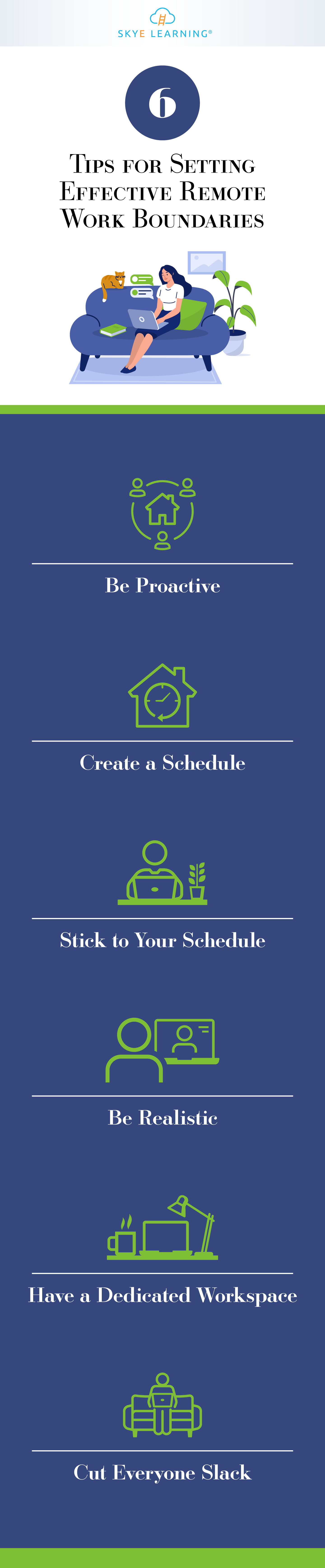
Your environment shapes your behavior. A dedicated workspace signals to your brain that it’s time to focus, while working from bed or the couch can blur the lines between rest and labor. Ideally, this space should be separate from high-traffic areas in your home, with minimal distractions. Ergonomics matter too—an uncomfortable chair or poor lighting can lead to physical strain, which indirectly affects mental boundaries. If space is limited, even a corner with a folding desk can serve as a psychological anchor for work. Personalize this area with items that inspire productivity, like plants or artwork, to reinforce its purpose. The key is consistency: using the same space daily conditions your mind to associate it with work, making it easier to “leave” work behind when you step away.
Digital Boundaries: Taming the Tech Temptations
The digital world is designed to capture attention, and remote work amplifies this challenge. Notifications, emails, and social media can hijack focus and extend work hours unintentionally. To regain control, audit your digital tools. Turn off non-essential notifications and mute work-related channels during off-hours. Use apps like Freedom or Cold Turkey to block distracting websites during deep work sessions. Email management is another critical boundary—set specific times to check and respond to messages rather than reacting in real-time. For example, checking emails only three times a day (morning, noon, and late afternoon) can drastically reduce the mental load of constant availability. Digital boundaries also include communication tools: establish protocols for urgent vs. non-urgent matters to prevent unnecessary interruptions.
Emotional Boundaries: Protecting Your Mental Energy
Remote work can amplify feelings of isolation or overwhelm, especially when personal and professional spaces overlap. Emotional boundaries involve recognizing your limits and communicating them assertively. This might mean saying no to additional tasks when your plate is full or setting expectations with colleagues about response times. It also includes protecting your mental energy by taking regular breaks and engaging in activities that recharge you, whether it’s a walk outside or a hobby unrelated to work. For leaders, emotional boundaries mean fostering a culture where employees feel safe to disconnect without guilt. Share your own boundaries as an example—when you take a lunch break or log off early, you normalize these behaviors for your team. Emotional boundaries are the foundation of sustainable remote work; without them, productivity and well-being suffer.
Social Boundaries: Navigating Relationships in a Virtual World
Remote work changes how we interact with colleagues, friends, and family. Social boundaries ensure that these relationships remain healthy and supportive. For instance, it’s important to separate work friendships from personal ones—just because someone is a coworker doesn’t mean they should have 24/7 access to your personal life. Similarly, family members should respect your work hours, just as they would if you were commuting to an office. Use communication tools wisely: a quick Slack message to a colleague is different from a late-night call to a friend. Social boundaries also extend to virtual meetings—dress appropriately and minimize background distractions to maintain professionalism. Clear social boundaries prevent misunderstandings and preserve the quality of your relationships, both at work and at home.
Boundary Enforcement: The Role of Accountability
Setting boundaries is only half the battle; enforcing them requires consistency and accountability. Start by tracking your progress—use a journal or app to note when you successfully stick to your boundaries and when you falter. Share your goals with a trusted colleague or friend who can gently remind you when you’re slipping. For teams, managers can model boundary-setting by respecting off-hours and encouraging others to do the same. Accountability also means being honest with yourself about your habits. If you consistently check emails after hours, ask why and adjust your approach. Enforcement isn’t about perfection; it’s about progress. Celebrate small wins, like finishing work on time for a week straight, to reinforce positive behaviors.
Long-Term Strategies: Evolving Your Boundaries
Boundaries aren’t static—they need to evolve as your work and life circumstances change. Regularly assess what’s working and what isn’t. For example, if you’re working on a high-stakes project, you might temporarily adjust your boundaries to accommodate longer hours, but always with a plan to return to your usual routine. Seasonal changes, like holidays or family events, may also require temporary shifts in your boundaries. Stay flexible and communicate these adjustments to your team to avoid misunderstandings. Long-term success in remote work hinges on your ability to adapt your boundaries without losing sight of your core needs.

Conclusion: Boundaries as the Keystone of Remote Work
Building boundaries in remote work is less about restriction and more about creating a sustainable framework for success. They provide the structure needed to thrive in a flexible environment, ensuring that work enhances life rather than consumes it. By addressing time, physical space, digital habits, emotional well-being, and social dynamics, you craft a remote work experience that is both productive and fulfilling. Remember, boundaries are not walls—they are bridges that connect you to your goals while protecting your peace. Start small, stay consistent, and watch as your work—and your life—transforms.
Leave a comment