


The Silent Engine of Achievement
Success, in its most enduring form, is not a destination but a state of operation. It is rarely the product of a single heroic sprint; rather, it emerges from the steady, quiet hum of a well-designed engine. Most people chase the flashy dashboard lights of victory—the revenue spike, the viral moment, the public accolade—while ignoring the pistons and valves beneath the hood. The true architect of longevity understands that the visible outcome is merely the exhaust. The real work, the only work that matters, occurs within the systems. These are the silent engines that turn chaotic effort into predictable momentum. To build for a decade, not a quarter, one must stop fixating on the what and start obsessing over the how and the why. The Systems Blueprint is that architectural plan, a map of gears and levers designed to convert intention into consistent, compounding results.

The Anchor and the Sail
Every enduring enterprise, whether a Fortune 500 company or a personal creative practice, requires two distinct yet symbiotic elements: an anchor and a sail. The anchor is the core foundation—the immutable principles, the why that weathers any storm. It is the bedrock of values, the non-negotiable quality standards, and the identity that remains constant even as the market shifts. Without an anchor, every gust of opportunity pulls the vessel off course, leading to an exhausting cycle of chasing trends. The sail, conversely, is the system itself. It is the repeatable framework that catches the wind of effort and translates it into forward motion. A robust system is not rigid; it is a flexible apparatus that can be trimmed, adjusted, and even replaced as conditions change. The magic lies in the tension between the two: the immovable anchor allows the sail to be daring. When you know what you will never sacrifice, you can design a system that relentlessly pursues what you want to gain. This is the unique appeal of the blueprint—it offers stability without stagnation, structure without suffocation.
The Elegance of Automation and Iteration
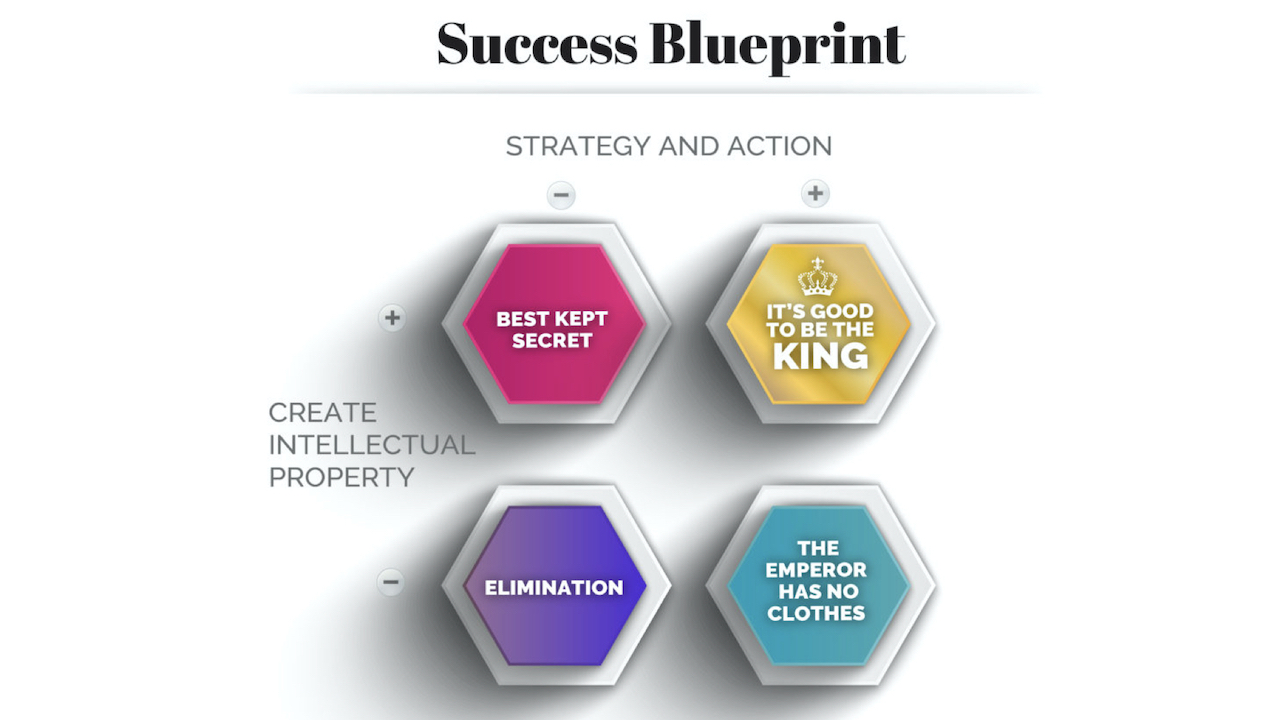
The most seductive promise of a systems-based approach is the liberation it provides. Once a process is documented, tested, and automated, the mental energy spent on repetitive decisions can be redirected toward creativity and higher-order strategy. This is the fundamental difference between a craftsman and a manager of chaos. The craftsman builds a lathe that spins reliably, allowing them to focus on the sculpture. The manager of chaos reinvents the wheel every morning, exhausted before the day begins. A true blueprint for success prioritizes the Iteration Loop: a closed circuit of executing, measuring, learning, and refining. Each cycle is not a fresh start but a deeper turn of the spiral. The data generated by the system becomes the raw material for its own improvement. This creates a compound effect where the machine slowly teaches itself to become more efficient, more intelligent, and more resilient. The business blueprint visualized here is not a static document; it is a living organism that breathes through data and grows through iteration.
Resilience Through Redundancy
One of the most counterintuitive principles of a durable system is the careful placement of redundancy. In a world obsessed with lean efficiency, the idea of “waste” is often demonized. However, a system designed for the long haul must have slack. It must have a second set of eyes on critical tasks, a backup supplier for essential materials, and a manual protocol for when the software fails. This is not inefficiency; it is antifragility. A compressed spring holds enormous energy, but it breaks under stress. A system with redundancy absorbs the shock. It allows for failure without collapse. The blueprint for long-term success acknowledges that entropy is inevitable. People will get sick, markets will crash, and algorithms will change. A system that can route around a blocked pipe, that can use a different tool or a different person to achieve the same outcome, is not merely surviving—it is dancing with chaos. The challenge is to build belts and suspenders without creating a rat’s nest of bureaucracy. The elegance lies in intelligent redundancy: enough cushion to catch the fall, but not so much that you can’t feel the ground.
The Architecture of Habit
Ultimately, no external system operates in a vacuum. The most sophisticated machinery is useless if the human operator refuses to engage the controls. The final and most critical layer of The Systems Blueprint is the architecture of habit. Every system must be designed around the reality of human psychology. It must account for laziness, distraction, and fatigue. A system that requires constant willpower is a system destined for the scrap heap. The best systems are those that make the right action the easiest action. They use friction as a design tool: increasing friction for bad behaviors (move the junk food to the top shelf, require ten clicks to delete a customer record) and decreasing friction for good ones (pre-schedule the workout, auto-save the document, prime the workspace the night before). This is where the blueprint transcends spreadsheets and SOPs and enters the realm of intentional living. It becomes a scaffold for personal excellence, a quiet guide that leads the user not by force, but by gentle, inevitable gravity. The system becomes invisible, and the user becomes unstoppable.

The Legacy of the Machine
When you build with systems, you are building a legacy that outlasts your own direct involvement. The greatest value of a blueprint is not the structure it creates today, but the one it enables to be built tomorrow. An organization run on charisma and heroic effort dies with the hero. An organization run on a system becomes a self-sustaining entity. It can be handed off, scaled, and taught. It becomes a vessel for your values, a machine that continues to churn out quality long after the original architect has moved on. This is the ultimate test of success: not the height of the peak, but the depth of the foundation. The Systems Blueprint is not a constraint; it is the ultimate freedom. It frees you from the tyranny of the urgent, the addiction of the new, and the paralysis of starting over. It allows you to zoom out, to see the pattern in the noise, and to build something that breathes. The machine hums. The compound interest of disciplined systems accumulates. And you, the architect, are finally free to look up from the work and enjoy the architecture.
Leave a comment