


What if the secret to a fulfilling life isn’t about reaching some grand destination—but about enjoying the climb itself? What if the real magic lies not in the peak, but in the perpetual motion of becoming? Welcome to the paradox of continuous growth: the only way to stay the same is to keep changing.
Growth isn’t a one-time achievement; it’s a lifestyle. It’s the quiet morning habit of reading a page more than yesterday, the courage to pivot when fear whispers “stay,” and the humility to admit you don’t know what’s next. It’s not about being perfect—it’s about being present, adaptable, and relentlessly curious. So, how do you build a life that grows with you, not against you? Let’s break it down.
—
The Growth Paradox: Why Staying the Same Is the Hardest Work of All
Here’s a playful challenge: imagine your future self looking back at your present self with gratitude—not for what you achieved, but for how you evolved. Now, ask yourself: What would that future version of you thank you for today?
This isn’t just philosophy; it’s neuroscience. Our brains are wired to seek comfort, to default to the familiar. But comfort is the enemy of growth. When we stop challenging ourselves, our minds atrophy like unused muscles. Continuous growth isn’t about constant hustle—it’s about intelligent expansion. It’s the difference between running in place and climbing a mountain, one deliberate step at a time.
Consider this: the most successful people aren’t those who’ve arrived—they’re the ones who’ve learned how to keep arriving. They treat life like a series of beta tests, where each experiment, failure, and adjustment is data, not defeat. Growth isn’t linear; it’s cyclical. It’s the spiral staircase of progress, where you end up higher not because you took a straight path, but because you kept turning.
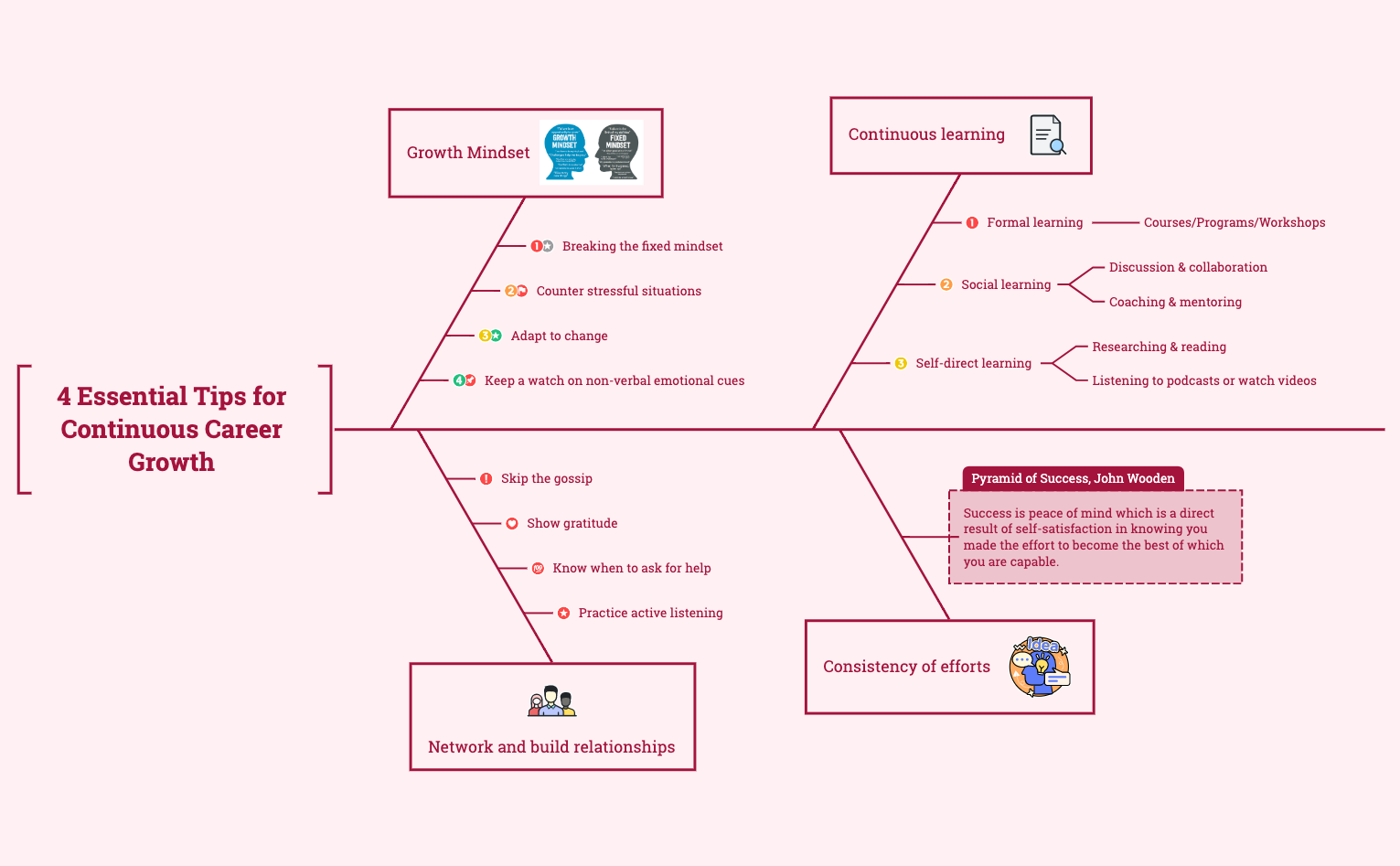
—
Curiosity as Your Compass: The Power of Asking “What If?”
Growth begins with a question, not an answer. It starts when you dare to ask, “What if I tried this?” instead of “What if I fail?” Curiosity is the antidote to stagnation. It’s the spark that turns routine into exploration and doubt into discovery.
Start small. Change one routine this week—take a different route to work, try a new cuisine, or strike up a conversation with someone outside your usual circle. These micro-adventures rewire your brain to expect novelty, making you more adaptable to bigger changes. The key isn’t to force curiosity; it’s to create space for it. Leave room in your calendar for the unexpected. Say yes to invitations that scare you a little. Read books that challenge your worldview. Listen to podcasts that introduce you to ideas you’ve never considered.
Remember: curiosity isn’t about having all the answers—it’s about being comfortable with not knowing. It’s the mindset of a scientist, not a know-it-all. The more you embrace the unknown, the more growth becomes a habit, not a chore.
—
The Feedback Loop: How to Turn Criticism Into Your Best Teacher
Here’s a hard truth: growth requires feedback, and feedback often stings. Whether it’s a performance review, a harsh comment, or your own self-reflection, the discomfort is the price of progress. But what if you reframed criticism as a gift? What if every piece of negative feedback was a clue to your next level?
The trick isn’t to avoid feedback—it’s to design systems that help you receive it without defensiveness. Start by asking for it. Seek out mentors, peers, or even strangers who can offer honest perspectives. When you receive criticism, pause. Ask yourself: Is there a grain of truth here? Then, take action. Not by defending yourself, but by experimenting with the feedback to see if it leads to improvement.
But beware the trap of over-optimizing for others’ opinions. Growth isn’t about pleasing everyone—it’s about refining your own vision. Use feedback as a compass, not a map. Let it point you in the right direction, but don’t let it dictate your destination.

—
Resilience as a Skill: Bouncing Back (and Forward) From Setbacks
Growth isn’t about avoiding failure—it’s about failing forward. The difference between those who grow and those who stagnate often comes down to one thing: resilience. But resilience isn’t something you’re born with; it’s something you build, like a muscle, through repetition.
Start by reframing failure. Instead of seeing setbacks as proof of your limitations, treat them as evidence of your effort. Ask: What did this teach me? How can I apply this next time? This isn’t toxic positivity—it’s strategic optimism. It’s the belief that even the worst outcomes contain seeds of future growth.
Practice resilience in small doses. Take on a challenge that’s just outside your comfort zone—a public speaking gig, a creative project, or a difficult conversation. When you stumble (and you will), reflect on what happened. Adjust. Try again. Over time, these micro-recoveries build the mental toughness needed to handle bigger challenges.
And don’t forget to celebrate resilience itself. Acknowledge the courage it takes to keep going, even when the path isn’t clear. Growth isn’t just about the destination—it’s about the person you become along the way.
—
Mindset as Your Operating System: Fixed vs. Growth in the Wild
Your mindset is the software that runs your life. A fixed mindset says, “I am who I am, and I’ll never change.” A growth mindset says, “I am who I am today, and I can become more tomorrow.” Which one sounds like a life you’d want to live?
The beauty of a growth mindset is that it turns obstacles into opportunities. A setback isn’t a dead end—it’s a detour. A criticism isn’t an attack—it’s a lesson. The key is to catch yourself when you slip into fixed thinking. Notice when you say, “I’m just not good at this,” and reframe it to, “I’m not good at this yet.” The word “yet” is your superpower.
To cultivate a growth mindset, surround yourself with people who embody it. Seek out those who see challenges as puzzles to solve, not threats to avoid. Read biographies of people who’ve reinvented themselves. Study the habits of those who’ve turned failure into fuel. Your environment shapes your mindset more than you realize—so choose one that challenges and inspires you.
—
The Daily Grind: Micro-Habits for Macro-Change
Growth isn’t about grand gestures—it’s about the compounding effect of small, consistent actions. It’s the 1% improvement each day that leads to 37x growth over a year. So, what are the micro-habits that fuel continuous growth?
1. The 5-Minute Rule: Commit to just five minutes of a new habit each day. Want to learn a language? Do five minutes of Duolingo. Want to write a book? Write five sentences. Five minutes feels manageable, but it’s enough to build momentum.
2. The Learning Sprint: Dedicate 20 minutes a day to deep learning. Read a book, take an online course, or listen to an educational podcast. The goal isn’t to consume information—it’s to apply it.
3. The Reflection Ritual: Spend five minutes each evening asking yourself: What did I learn today? Where did I grow? What’s one thing I can do better tomorrow? This simple practice turns everyday experiences into growth opportunities.
4. The Comfort Zone Stretch: Once a week, do something that scares you a little. It could be as simple as striking up a conversation with a stranger or as bold as pitching an idea to your boss. The goal isn’t to force discomfort—it’s to normalize it.
These micro-habits might seem insignificant, but they add up. They turn growth from a lofty ideal into a daily practice. And that’s where the real magic happens.
—
Your Growth Manifesto: Writing the Rules of Your Evolution
Growth isn’t something that happens to you—it’s something you design. So, what are the rules of your evolution? What principles will guide your journey from here to there?
Start by writing your growth manifesto. It doesn’t have to be a formal document—just a list of beliefs and commitments that resonate with you. For example:
- I commit to learning from every experience, not just the successes.
- I will embrace discomfort as a sign of progress, not a warning.
- I will seek feedback, not validation.
- I will celebrate small wins, because they lead to big ones.
- I will treat my life as an experiment, not a performance.
Your manifesto is your North Star. It’s the compass that keeps you aligned when life gets messy. Revisit it often. Revise it as you grow. Let it remind you that growth isn’t a destination—it’s the way you choose to live.

—
Final Thought: The Art of Becoming
Building a life of continuous growth isn’t about becoming someone else—it’s about becoming more fully yourself. It’s about shedding the layers of doubt, fear, and complacency that hold you back. It’s about embracing the messy, unpredictable journey of becoming who you’re meant to be.
So, here’s your challenge: start today. Not tomorrow. Not next week. Today. Take one small step toward the version of you that’s waiting to emerge. It might be a book you read, a conversation you initiate, or a habit you adopt. Whatever it is, make it count.
Because the truth is, you’re already growing. Every breath is a step forward. Every choice is a seed planted. The only question is: Will you let it bloom?
Leave a comment