


In an era where corporate sustainability claims are scrutinized as closely as financial statements, the line between genuine environmental stewardship and greenwashing has blurred into a treacherous fog. Investors, regulators, and consumers alike are demanding transparency—but how can they trust the numbers when the numbers themselves may be dressed in a veneer of virtue? Enter the ESG Micro-Credential for Auditors, a groundbreaking initiative poised to redefine the intersection of ethics, accountability, and environmental, social, and governance (ESG) reporting.
This credential isn’t just another badge to adorn a LinkedIn profile. It’s a paradigm shift, a rigorous training ground where auditors evolve from number-crunchers into sustainability sleuths. Imagine an auditor not just verifying a company’s carbon footprint but also dissecting the narrative behind it—questioning the methodologies, probing the data sources, and exposing the half-truths that masquerade as progress. This is the future of ESG assurance, and it starts with a single, transformative credential.
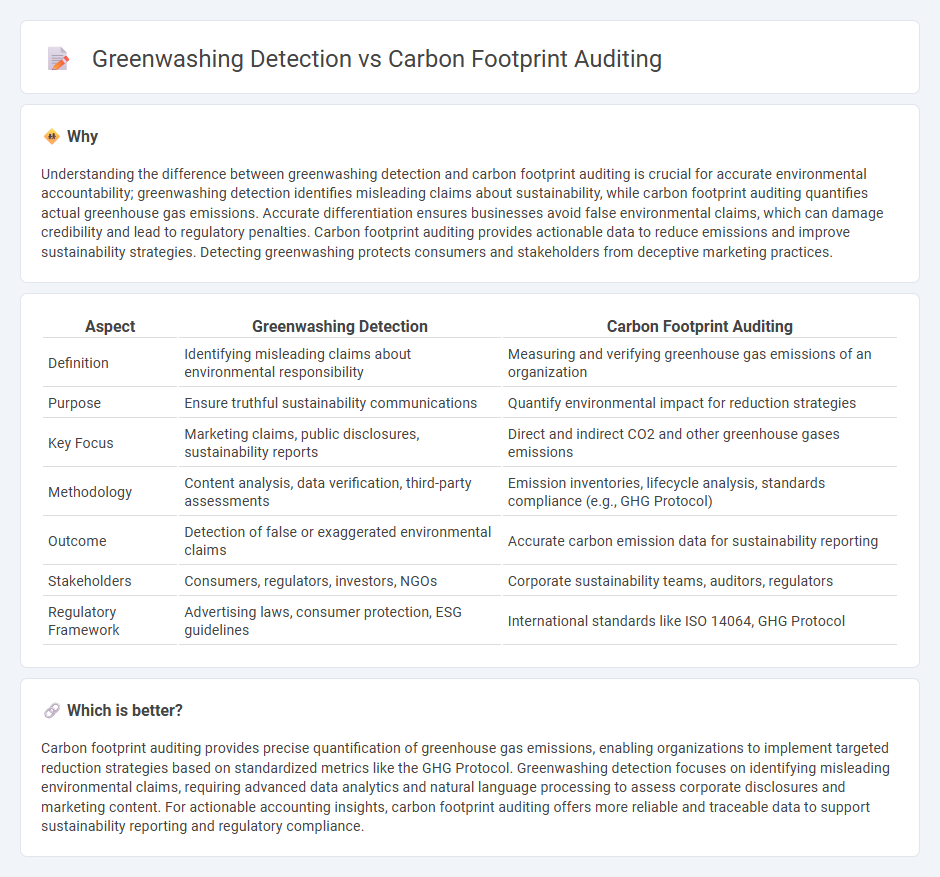
But why now? The urgency stems from a perfect storm of regulatory pressure, investor demands, and public skepticism. The SEC’s climate disclosure rules, the EU’s Corporate Sustainability Reporting Directive (CSRD), and a wave of green finance initiatives have created an unprecedented demand for credible ESG data. Yet, without standardized auditing frameworks, the risk of greenwashing—the art of spinning environmental claims to appear more sustainable than reality—looms larger than ever. Traditional financial auditors, while skilled in precision, often lack the specialized knowledge to navigate the murky waters of ESG metrics. That’s where this micro-credential steps in, bridging the gap between fiscal rigor and environmental integrity.
The Auditors of Tomorrow: From Compliance to Conscience
Picture an auditor in 2025, equipped not just with a calculator and a checklist but with a toolkit of sustainability intelligence. This isn’t the auditor of yesteryear, who might have glossed over vague ESG disclosures with a cursory review. Instead, this is a forensic accountant of virtue, trained to dissect sustainability reports with the same tenacity they once applied to financial discrepancies.
The micro-credential curriculum is a masterclass in critical inquiry, blending elements of environmental science, ethical governance, and advanced data analytics. Auditors learn to:
- Decipher the jargon: Terms like “net-zero,” “carbon neutral,” and “science-based targets” are dissected to reveal their true implications—or lack thereof.
- Trace the data lineage: Where did the emissions data come from? Are third-party verifiers independent, or are they entangled in conflicts of interest?
- Spot the red flags: Vague commitments, cherry-picked metrics, or reliance on unproven offsets are all telltale signs of greenwashing.
- Assess the narrative: A company’s sustainability report isn’t just a document—it’s a story. Auditors learn to interrogate the plot holes, inconsistencies, and omissions.
This isn’t about ticking boxes. It’s about cultivating skepticism—a skill that transforms auditors from passive reviewers into active guardians of truth. The credential’s emphasis on ethical decision-making ensures that auditors don’t just follow the rules but question the very frameworks that define them.
The Greenwashing Arms Race: Why Auditors Are the New Frontline
Greenwashing isn’t a static threat; it’s an evolving arms race. As regulations tighten, so do the tactics of those seeking to exploit loopholes. Companies may tout “100% renewable energy” while quietly purchasing unbundled Renewable Energy Certificates (RECs) from fossil fuel plants. They might pledge to “reduce emissions by 50% by 2030” without disclosing that the baseline year was cherry-picked to inflate the percentage. Or they could lean on sustainability-linked loans, where the interest rate hinges on meeting ESG targets—but the targets are so loosely defined that they’re effectively meaningless.
This is where auditors become the ultimate arbiters of credibility. The micro-credential equips them with the tools to:
- Unmask the offsets: Are carbon offsets real, or are they the modern equivalent of medieval indulgences—selling absolution for past sins?
- Challenge the baselines: A 20% reduction sounds impressive—until you realize the company’s emissions tripled the year before.
- Examine the supply chain: A company might boast about its zero-waste factories, but what about the factories of its suppliers, where child labor and deforestation run rampant?
The credential’s real power lies in its interdisciplinary approach. Auditors aren’t just trained in accounting; they’re immersed in the science of climate change, the psychology of corporate deception, and the legal nuances of ESG disclosures. This holistic perspective turns them into sentinels of sincerity, capable of spotting greenwashing before it metastasizes into a full-blown scandal.

The Ripple Effect: How This Credential Reshapes Industries
The impact of this micro-credential extends far beyond the auditor’s desk. When auditors are trained to detect greenwashing, the entire ESG ecosystem benefits. Investors gain confidence in the data they rely on to make trillion-dollar decisions. Regulators find their enforcement efforts bolstered by a cadre of experts who can spot malfeasance before it spirals out of control. And consumers—those ultimate arbiters of corporate fate—are less likely to be duped by hollow marketing campaigns.
Consider the case of a multinational corporation that claims to be “carbon neutral.” Without auditors trained in ESG detection, this claim might slip through the cracks. But with the micro-credential in play, an auditor could uncover that the neutrality is achieved through carbon offset fraud—where the offsets are double-counted, expired, or tied to projects that never materialized. The result? A correction in the public record, a loss of investor trust, and a wake-up call for the company to adopt genuine sustainability practices.
This credential also democratizes expertise. Historically, ESG auditing has been the domain of a select few consultancies and boutique firms. But by offering a standardized, accessible training program, the micro-credential levels the playing field. Small and mid-sized accounting firms can now compete with the Big Four, offering clients the same level of ESG assurance without the premium price tag. This fosters a more competitive, transparent market—one where greenwashing is the exception, not the norm.
The Skeptic’s Toolkit: Practical Skills for the Modern Auditor
What does it take to become a greenwashing detective? The micro-credential’s curriculum is a blend of theory and hands-on practice, designed to hone both the analytical mind and the intuitive eye. Here’s a glimpse into the skills auditors master:
1. The Art of the Deep Dive
Auditors learn to go beyond surface-level metrics. For example, a company might report a 30% reduction in water usage, but an auditor trained in this credential would ask: Is this reduction absolute or per unit of production? Was the baseline year manipulated? Are there external factors, like drought conditions, that artificially inflated the numbers?
2. The Power of Benchmarking
No ESG claim exists in a vacuum. Auditors are trained to compare a company’s performance against industry peers, historical trends, and global benchmarks. If a fast-fashion brand claims to be “sustainable” while its emissions per garment are rising, the auditor flags the discrepancy.
3. The Psychology of Deception
Greenwashing isn’t just a data problem—it’s a psychological one. Auditors study the cognitive biases and rhetorical tricks companies use to mislead. For instance, the “halo effect” leads consumers to assume a company is ethical if it excels in one area (e.g., gender diversity) while ignoring its environmental failures. Auditors learn to dismantle these illusions.
4. The Legal Labyrinth
ESG disclosures are governed by a patchwork of regulations, from the SEC’s climate rules to the EU’s Sustainable Finance Disclosure Regulation (SFDR). Auditors must navigate this labyrinth, identifying which claims are legally binding and which are mere marketing fluff.
5. The Technology Edge
From AI-powered satellite imagery that tracks deforestation to blockchain-based supply chain tracking, auditors leverage cutting-edge tools to verify claims. The micro-credential ensures they’re fluent in these technologies, not just as users but as critical evaluators.
The Future of ESG Assurance: A Call to Action
The ESG Micro-Credential for Auditors isn’t just a training program—it’s a movement. It represents a collective acknowledgment that the fight against greenwashing requires more than good intentions; it demands expertise, vigilance, and courage. For auditors, this credential is a chance to redefine their role in the corporate world, moving from the sidelines to the frontlines of sustainability.
For companies, it’s an opportunity to earn back trust in an era where skepticism is the default. For investors, it’s a shield against the financial risks of overstated ESG claims. And for society, it’s a step toward a future where “sustainability” isn’t just a buzzword but a measurable, verifiable reality.
As the curtain rises on this new era of ESG assurance, one question lingers: Are you ready to join the ranks of the auditors who will expose the truth—or will you be left wondering which claims were real and which were mere illusions?
The choice is yours. The credential awaits.
Leave a comment