


Have you ever scrolled through a sea of five-star reviews for a sleek new solar-powered charger, only to wonder—are these rave reviews too good to be true? In the burgeoning world of green tech, where eco-conscious consumers rely on peer feedback to make sustainable choices, the authenticity of product reviews has become the silent guardian of trust. But what happens when the glow of green innovation is dimmed by a shadow of deception? Enter Sentiment AI—a digital sleuth armed with algorithms sharp enough to sniff out fake reviews before they mislead the planet-loving masses. Welcome to the frontier where artificial intelligence meets environmental integrity, and where every thumbs-up or thumbs-down could be the difference between a greener future and a digital mirage.
Imagine this: You’re on the hunt for a biodegradable phone case, your heart set on reducing e-waste. A glowing review promises “unmatched durability” and “zero environmental harm.” But is that enthusiasm genuine, or is it a carefully crafted lie by a bot paid to sing praises? Sentiment AI steps in like a tech-savvy detective, dissecting not just the words but the very rhythm of the review. It’s not just about counting stars—it’s about uncovering the hidden choreography of deception in the digital ecosystem of green tech.
The Green Tech Gold Rush and the Rise of Fake Reviews
The global green technology market is exploding, projected to reach over $44 trillion by 2027. With such staggering growth comes a lucrative playground for unscrupulous actors. Fake reviews are the silent pollutant of this digital ecosystem—clogging the arteries of trust and distorting consumer perception. Unlike traditional product categories, green tech reviews carry an added layer of moral weight. Consumers aren’t just buying a gadget; they’re investing in a philosophy. A fake review here doesn’t just mislead a buyer—it betrays a shared commitment to sustainability.
Consider the case of a bamboo toothbrush boasting “100% compostable” claims in its reviews. What if half of those five-star ratings are generated by bots or paid influencers with no real-world experience? The consequences ripple outward: wasted consumer dollars, eroded trust in eco-brands, and a slower transition to sustainable living. Sentiment AI doesn’t just detect lies—it protects the integrity of the green revolution itself.
How Sentiment AI Detects the Digital Deception
At its core, Sentiment AI is a linguistic alchemist, transforming raw text into emotional fingerprints. But in the realm of green tech, it must do more than detect happiness or anger—it must sniff out authenticity. The process begins with natural language processing (NLP), where every word, punctuation mark, and even emoji is analyzed for patterns that deviate from human spontaneity.
For instance, a review like “This solar panel is AMAZING!!!! ✨” might seem genuine at first glance. But Sentiment AI digs deeper. It checks for linguistic anomalies—repetitive phrases, unnatural exclamation density, or a lack of specific details. A real user might say, “After two weeks, my panel still delivers 90% efficiency even on cloudy days.” A fake one? “Best solar panel ever! Buy it now!” The difference isn’t just in content—it’s in the cadence of truth.
Advanced models also incorporate behavioral cues. Do all the glowing reviews appear within minutes of the product launch? Are they suspiciously similar in tone and structure? Sentiment AI cross-references these patterns with user profiles, purchase histories, and even IP addresses to flag coordinated inauthentic activity. It’s like a digital fingerprint scanner for the soul of a review.
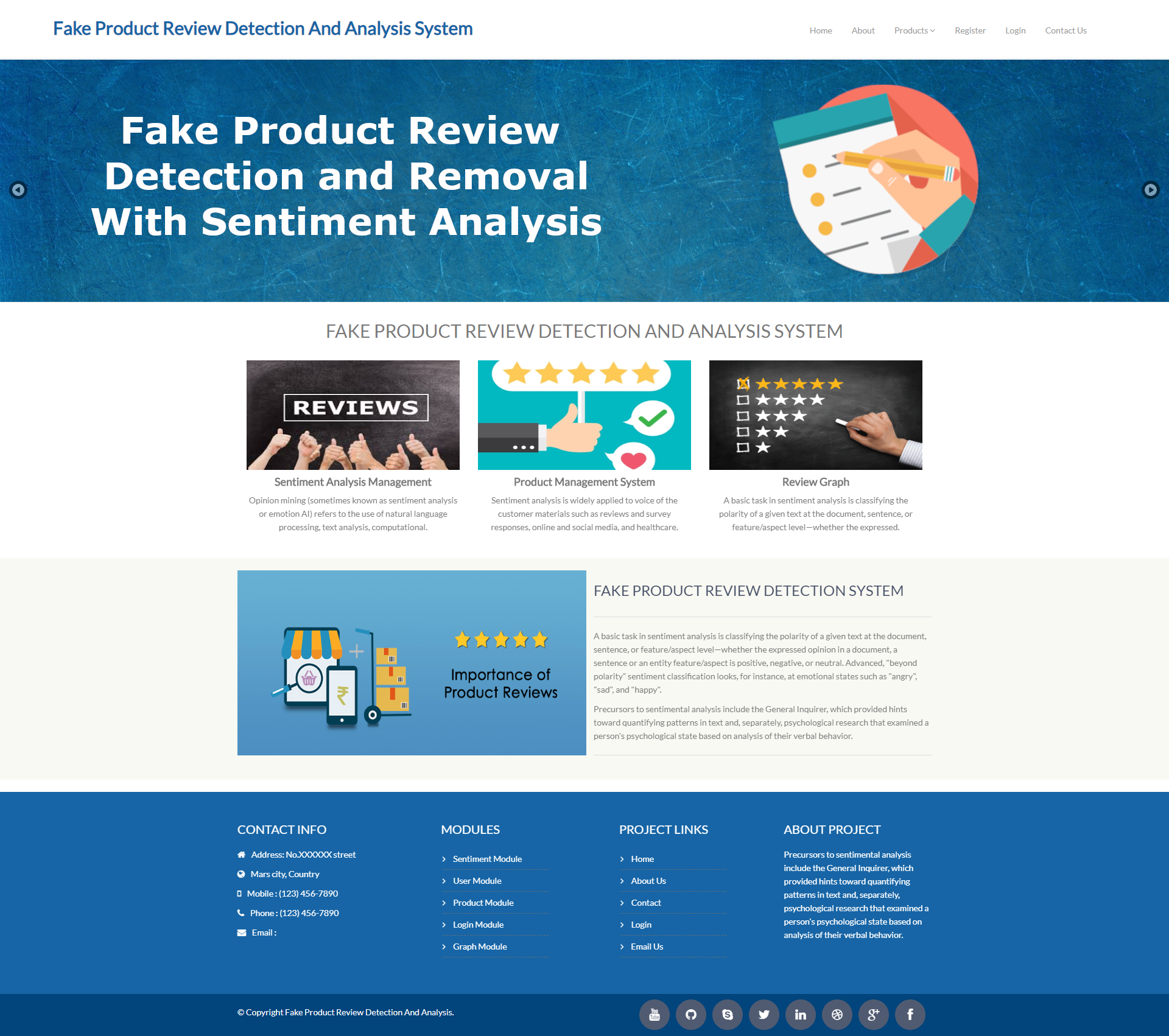
The Emotional Spectrum: When Green Tech Meets Human Sentiment
Not all fake reviews are overtly fraudulent. Some are subtly manipulated—reviews that are technically real but emotionally skewed to mislead. A user might genuinely love a product but write a review that’s been polished by a marketing team to sound more enthusiastic than their actual experience. Sentiment AI doesn’t just detect lies—it decodes emotional authenticity.
It analyzes sentiment intensity, emotional consistency, and even the balance between positive and negative language. A review that says, “The wind turbine is quiet and powerful, though it’s a bit pricey,” carries more credibility than one that screams “PERFECT IN EVERY WAY!!!” in all caps. The latter might be a red flag, but the former aligns with the nuanced expectations of green tech consumers—people who care deeply but also demand honesty.
Moreover, Sentiment AI can detect cultural and linguistic cues that vary across regions. A review written in German praising a Swedish-made eco-friendly detergent might sound authentic to a monolingual speaker, but Sentiment AI can cross-check linguistic patterns to verify its origin. It’s a global guardian of green trust, fluent in the dialects of deception.
The Ethical Quandary: Can AI Be Too Good at Detecting Fakes?
As Sentiment AI becomes more sophisticated, it raises a provocative question: What happens when the line between genuine enthusiasm and calculated authenticity blurs beyond recognition? Consider the case of a passionate environmentalist who writes a glowing review after months of using a product. Their language is effusive, their praise unfiltered. Is that authenticity, or is it a pattern that Sentiment AI might flag as suspicious?
There’s a risk of over-policing—turning the vibrant marketplace of green tech into a sterile lab where only robotic precision is celebrated. Sentiment AI must strike a balance between protecting consumers and preserving the organic nature of human expression. After all, the most powerful green tech reviews aren’t written by algorithms—they’re written by people who care deeply about the planet.
This ethical tightrope demands transparency. Platforms using Sentiment AI should inform users when reviews are flagged or analyzed by AI, ensuring that the process itself doesn’t become a source of distrust. The goal isn’t to eliminate all emotion from reviews—it’s to elevate the ones that truly matter.
Beyond Detection: Building a Greener Future with Trust
Sentiment AI isn’t just a tool for sniffing out fakes—it’s a catalyst for building a more transparent green tech ecosystem. By identifying inauthentic reviews, it helps consumers make informed choices, supports ethical brands, and discourages deceptive practices. But its role extends further: it can also highlight genuine innovations that deserve attention.
Imagine a platform where every review is analyzed not just for authenticity but for its contribution to sustainability. A review that mentions “reduced carbon footprint by 30%” could be weighted more heavily than one that simply says “great product.” Sentiment AI could become a curator of not just truth, but of meaningful impact.
Moreover, it can empower green tech companies to refine their messaging. If Sentiment AI detects that users consistently praise durability but criticize ease of assembly, brands can address those pain points directly. It’s a feedback loop that transforms customer insights into actionable sustainability improvements.
The Final Verdict: Can Sentiment AI Save Green Tech from Itself?
The green tech revolution is at a crossroads. On one path lies a world where every review is a whisper of truth, guiding consumers toward products that align with their values. On the other, a digital Wild West where fake reviews distort the market, erode trust, and slow the march toward sustainability. Sentiment AI is the compass pointing toward the former—but only if wielded wisely.
It’s not a silver bullet. No algorithm can replace human judgment entirely. But when combined with ethical oversight, transparency, and a commitment to genuine sustainability, Sentiment AI becomes more than a detector of lies—it becomes a guardian of the green dream.
So the next time you see a five-star review for a cutting-edge eco-product, pause for a moment. Ask yourself: Is this enthusiasm real, or is it a digital mirage? And remember—Sentiment AI is watching, analyzing, and protecting the future of green tech, one review at a time.
Leave a comment