


In an era where algorithms whisper personalized truths into our ears and social feeds curate reality like a DJ remixing a track, the ability to think critically isn’t just a skill—it’s a survival instinct. The digital age has democratized information, but it has also weaponized misinformation, turning every scroll into a minefield of half-truths and manufactured narratives. Yet, within this chaos lies an opportunity: a chance to reclaim agency over our minds. A life skills course focused on critical thinking isn’t just an academic exercise; it’s a rebellion against cognitive passivity. It’s a promise to transform how you engage with the world, to sift through the noise and emerge with clarity, confidence, and a razor-sharp intellect. This isn’t about memorizing facts or regurgitating opinions—it’s about cultivating a mindset that questions, dissects, and reconstructs the deluge of information that bombards us daily.
Imagine waking up not as a passive consumer of content, but as an active architect of your own understanding. A critical thinker doesn’t just accept what’s presented; they interrogate it. They dissect the motives behind a headline, trace the origins of a viral claim, and recognize when emotion is being weaponized to cloud judgment. This course isn’t a magic bullet—it’s a toolkit. And like any toolkit, its value lies in how you wield it. Whether you’re navigating the treacherous waters of social media, evaluating the credibility of a news source, or simply trying to make sense of the world’s relentless pace, critical thinking is your compass. It’s the difference between being swept away by the current and learning to swim against it—or better yet, charting your own course entirely.
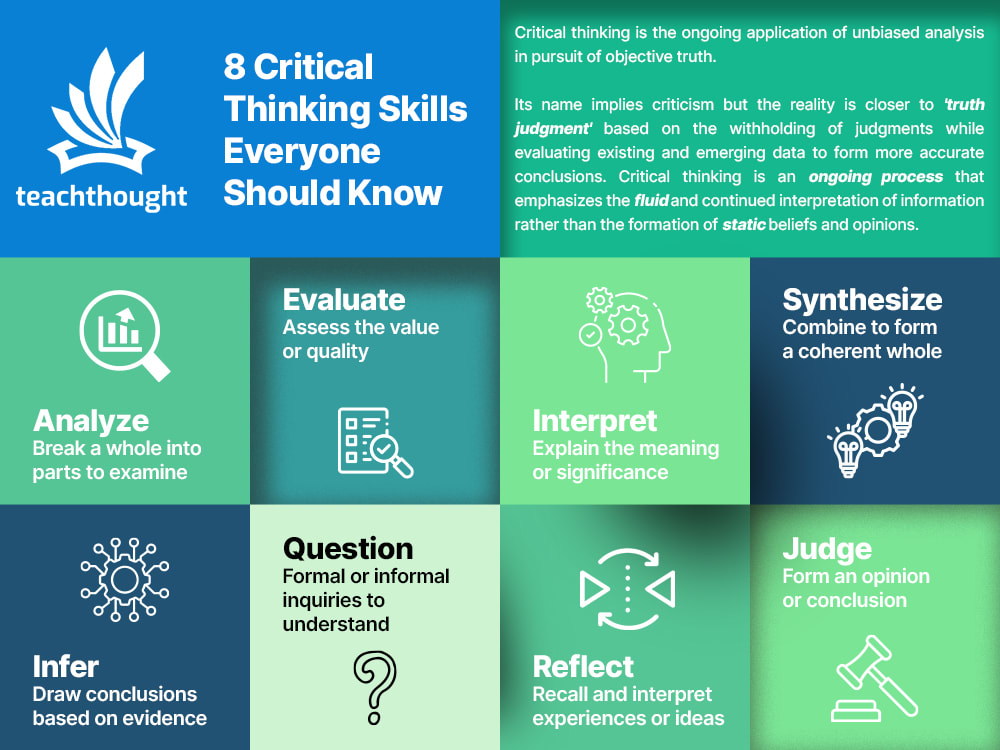 The digital age has blurred the lines between information and propaganda, between education and indoctrination. Algorithms don’t just serve content; they shape perception. A single viral post can distort reality, and a well-placed meme can derail a conversation. But here’s the liberating truth: you don’t have to be a victim of this system. Critical thinking is your shield and your sword. It’s the ability to pause, to ask, “Why does this resonate with me?” and to demand evidence before surrendering to belief. This course doesn’t just teach you to think—it teaches you to think *differently*. It challenges you to see patterns where others see chaos, to spot fallacies where others see facts, and to cultivate a skepticism that’s constructive, not cynical.
The Illusion of Objectivity: Why Your Brain is a Traitor (And How to Outsmart It)
Your brain is a master of deception. It doesn’t just process information—it filters, distorts, and interprets it in ways that align with your existing beliefs. This phenomenon, known as confirmation bias, is the silent puppeteer behind many of our opinions. You don’t seek out information that challenges your views; you gravitate toward what confirms them. Social media exacerbates this by feeding you a steady diet of content that aligns with your past behavior, creating a filter bubble that insulates you from dissenting perspectives. The result? A warped sense of reality where your beliefs are reinforced, and your blind spots grow wider.
But here’s the kicker: your brain isn’t just biased—it’s lazy. It prefers quick, effortless conclusions over nuanced analysis. This is where cognitive shortcuts, or heuristics, come into play. They’re mental shortcuts that help us make decisions faster, but they often lead us astray. Ever fallen for a clickbait headline? That’s your brain’s heuristic for novelty kicking in. Ever dismissed an expert’s opinion because it contradicted your gut feeling? That’s your brain prioritizing emotion over evidence. The first step in critical thinking isn’t just to question the world around you—it’s to question the very machinery of your own mind. This course will arm you with the tools to recognize these biases, to pause before reacting, and to train your brain to default to curiosity over complacency.
The Art of Discernment: How to Separate Signal from Noise in a World of Distraction
The digital age is a symphony of distractions. Notifications chirp like crickets, ads scream like carnival barkers, and every app is vying for a slice of your attention. In this cacophony, how do you discern what’s worth your mental energy? The answer lies in discernment—the ability to sift through the static and identify what truly matters. It’s not about consuming less information; it’s about consuming better information. It’s about recognizing when a source is credible, when an argument is flawed, and when a piece of content is designed to manipulate rather than inform.
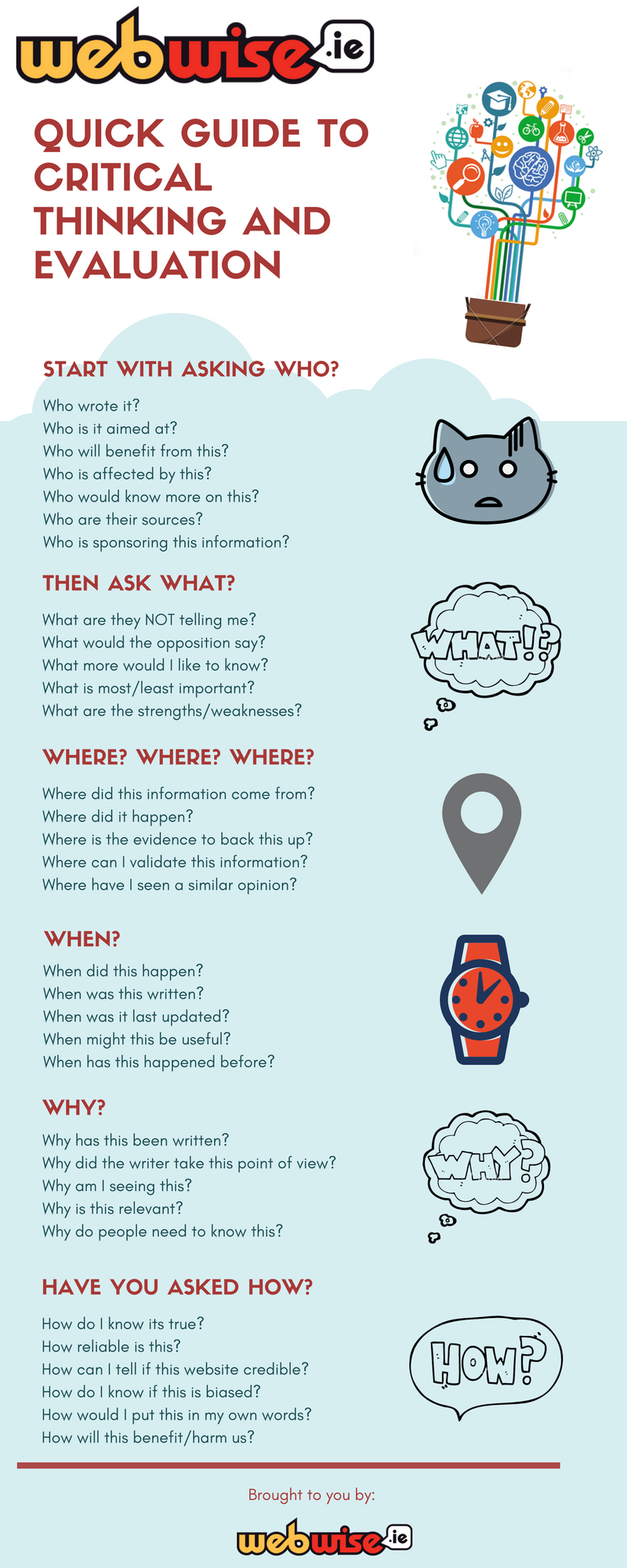
Start with the source. Who’s behind the information? What’s their motive? A well-funded think tank with a political agenda will present data differently than an independent researcher. Look for transparency. Are they citing their sources? Are they open about their methodology? Next, examine the language. Sensationalist headlines, loaded words, and absolute statements (“This is the truth!”) are red flags. Real knowledge is nuanced; it acknowledges uncertainty and invites scrutiny. Finally, ask yourself: What’s missing? Every piece of information is a puzzle with pieces deliberately omitted. A critical thinker doesn’t just absorb what’s presented—they interrogate what’s absent.
 This isn’t about becoming a cynic who dismisses everything. It’s about becoming a skeptic who demands proof before belief. It’s about cultivating a healthy distrust—not of all information, but of information that hasn’t earned your trust. In a world where anyone can publish anything, discernment isn’t a luxury; it’s a necessity. And the best part? It’s a skill that improves with practice. The more you exercise your critical muscles, the sharper they become.
From Consumption to Creation: How Critical Thinking Transforms You from Passive Observer to Active Participant
Critical thinking isn’t just about consuming information—it’s about creating it. It’s the difference between scrolling mindlessly and engaging thoughtfully. It’s the ability to take the deluge of data around you and transform it into something meaningful. This course will teach you how to synthesize information, to connect dots that others miss, and to form opinions that are rooted in reason rather than reaction. You’ll learn to spot logical fallacies, to construct airtight arguments, and to communicate your ideas with clarity and precision.
But perhaps the most transformative aspect of critical thinking is its ability to turn you from a passive observer into an active participant in the world. When you think critically, you don’t just accept the status quo—you question it. You don’t just follow trends—you set them. You don’t just consume culture—you create it. This isn’t about becoming a contrarian for the sake of it; it’s about becoming someone who engages with the world with intention. It’s about recognizing that your thoughts, your words, and your actions have power—and that power is amplified in the digital age.
Imagine debating a controversial topic online and, instead of resorting to ad hominem attacks or emotional outbursts, you present a well-reasoned argument backed by evidence. Imagine evaluating a product before buying it, not just based on flashy ads, but on real user reviews and independent testing. Imagine navigating a world of misinformation and emerging not just unscathed, but enlightened. That’s the power of critical thinking. It doesn’t just change how you think—it changes how you live.
The Ripple Effect: How Critical Thinking Changes Not Just You, But the World Around You
The impact of critical thinking extends far beyond the individual. When you cultivate this skill, you become a beacon of clarity in a sea of noise. You challenge misinformation, you elevate discussions, and you inspire others to think more deeply. In a world where misinformation spreads faster than facts, critical thinkers are the antidote to cognitive pollution. They’re the ones who ask the tough questions, who demand evidence, and who refuse to be swayed by manipulation.
But the ripple effect goes deeper. Critical thinking fosters empathy. When you understand the nuances of an argument, you’re less likely to dismiss opposing views out of hand. You’re more likely to engage in constructive dialogue, to seek common ground, and to build bridges instead of walls. It also fosters innovation. The most groundbreaking ideas often come from those who question the obvious, who challenge assumptions, and who dare to think differently. In a world that rewards conformity, critical thinkers are the ones who push boundaries and drive progress.
This course isn’t just about personal growth—it’s about societal transformation. It’s about creating a world where misinformation doesn’t thrive, where manipulation is met with skepticism, and where truth isn’t just a commodity but a shared value. It’s about recognizing that critical thinking isn’t a solitary pursuit; it’s a collective responsibility. Every time you think critically, you’re not just protecting yourself—you’re contributing to a smarter, more informed society.
So, are you ready to embark on this journey? To trade cognitive passivity for active engagement? To transform from a consumer of information into a curator of truth? The digital age has given us unprecedented access to knowledge—but knowledge without critical thinking is like a ship without a rudder. It’s time to set sail.
Leave a comment