


Imagine this: You’ve just landed your dream job as a leader. The kind of role where every decision feels like a chess move—strategic, deliberate, and full of potential. But then, reality hits. Your team grows. Projects multiply. Suddenly, you’re not just playing chess; you’re orchestrating a symphony where half the musicians are still learning their instruments.
Scaling leadership isn’t just about adding more people or delegating tasks. It’s about creating a system so robust that it thrives even when you’re not in the room. So, how do you build a leadership system that scales without losing the spark that made it great in the first place? Let’s dive in.
—
The Paradox of Scaling: Why More Isn’t Always Better
Here’s the hard truth: Most leadership systems fail not because they’re weak, but because they’re too rigid. You start with a clear vision, a tight-knit team, and a culture that feels like a family. But as you grow, that family dynamic can turn into a bureaucracy faster than you can say “quarterly review.”
The challenge? Scaling without suffocating. The goal isn’t to create a machine where every cog moves in perfect unison. It’s to build a living organism—one that adapts, evolves, and even stumbles occasionally, but never loses its soul.
—
Designing the Foundation: Clarity Before Complexity
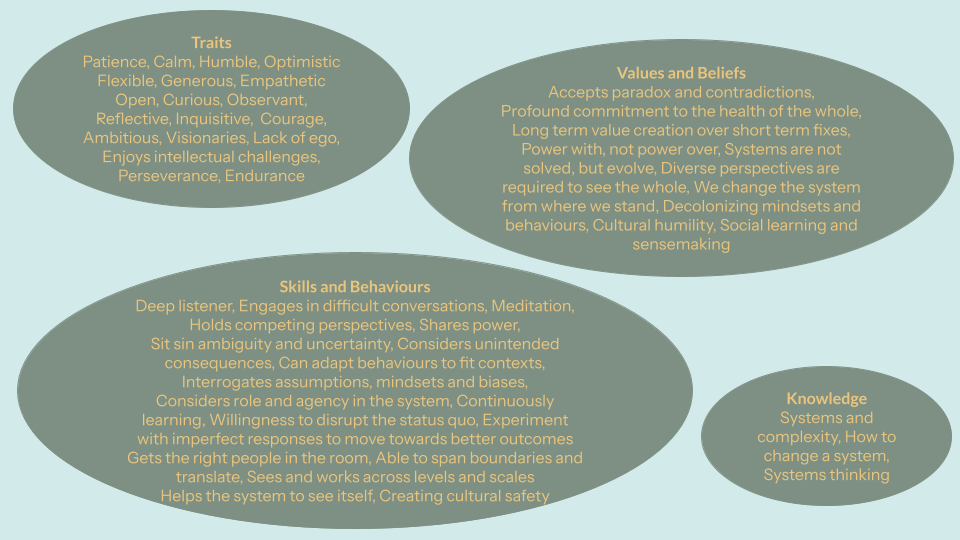
Before you can scale, you need to know what you’re scaling. Start with the bedrock: your core values and mission. These aren’t just words on a wall—they’re the compass that guides every decision, no matter how big or small.
Ask yourself: What does leadership look like in our organization? Is it about empowerment? Accountability? Innovation? Once you define it, bake it into every process, from hiring to performance reviews. The key is consistency. If your leadership principles change with every new hire or quarterly goal, you’re building on sand.
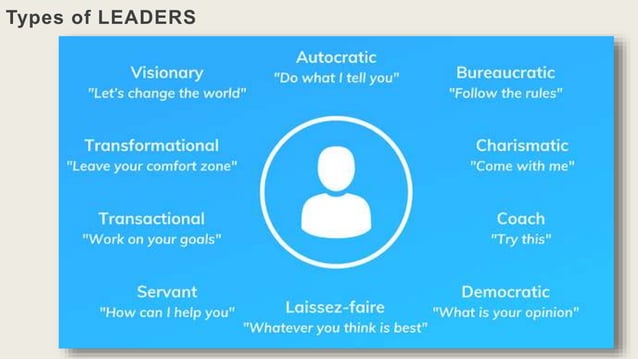
Next, map out your leadership tiers. Not as a hierarchy, but as a structure that supports growth. For example:
- Individual Contributors: Focus on execution and mastery.
- First-Time Managers: Develop coaching and delegation skills.
- Mid-Level Leaders: Hone strategic thinking and cross-team collaboration.
- Executives: Drive vision and long-term impact.
Each tier should have clear expectations, but also room to grow. The goal isn’t to pigeonhole people—it’s to give them a ladder to climb.
—
The Power of Playbooks: Turning Chaos into Order
Ever watched a sports team where the players seem to move in sync without the coach yelling instructions? That’s the magic of playbooks. They’re not about stifling creativity—they’re about giving people the freedom to innovate within a framework.
Start by documenting your leadership processes. How do you run a meeting? How do you give feedback? How do you handle conflict? The more you standardize these, the easier it is to scale without reinventing the wheel every time.
But here’s the twist: Playbooks should evolve. They’re not set in stone. As your team grows, gather feedback. What’s working? What’s not? Refine them like you would a product roadmap.
—
Culture as the Glue: Why It’s the Secret Sauce
You can have the best processes in the world, but if your culture is toxic, nothing will scale. Culture isn’t about free snacks or ping-pong tables—it’s about how people treat each other when no one’s watching.
To build a scalable culture, focus on three things:
- Psychological Safety: Encourage people to speak up, take risks, and admit mistakes without fear of retribution.
- Ownership: Empower teams to make decisions and take responsibility for outcomes.
- Transparency: Share wins, losses, and challenges openly. No sugarcoating.
When culture is strong, scaling becomes easier. People don’t just follow processes—they embody the values behind them.
—
Technology as the Enabler: Tools That Don’t Overwhelm
Technology can be a double-edged sword. On one hand, tools like Slack, Asana, or Notion can streamline communication and collaboration. On the other, they can create noise, distraction, and burnout.
The key is to choose tools that align with your leadership system, not the other way around. For example:
- Communication: Use Slack for quick updates, but reserve email for formal decisions.
- Project Management: Implement Asana or Trello for clarity, but avoid micromanaging every task.
- Feedback: Use tools like Culture Amp or 15Five to gather insights, but don’t let data replace human connection.
Remember: Technology should amplify your leadership, not replace it.
—
Measuring Success: The Right Metrics Matter
What gets measured gets managed. But not all metrics are created equal. If you’re scaling leadership, focus on leading indicators—not just lagging ones. For example:
- Employee Engagement: Are people thriving or just surviving?
- Retention Rates: Are your top performers staying or leaving?
- Decision Velocity: How quickly can teams make and execute decisions?
- Cultural Health: Are values being lived, or just lip service?
Avoid vanity metrics like “number of meetings held” or “emails sent.” Instead, dig deeper. Are people growing? Is the system adapting? Are you still solving the right problems?
—
The Human Element: Why Empathy Can’t Be Scaled Away
Here’s the irony: The more you scale, the more you need to remember that leadership is, at its core, a human endeavor. Algorithms can optimize workflows, but they can’t replace empathy, intuition, or genuine connection.
As you grow, make time for one-on-one conversations. Not just status updates, but real check-ins. Ask: How are you feeling? What’s challenging you? How can I support you? These moments build trust and keep the human element alive.
Scaling leadership isn’t about becoming a faceless corporation. It’s about multiplying the impact of your values, your vision, and your people.
—
Final Thought: The Scalable Leader’s Mindset
Building a leadership system that scales isn’t a one-time project—it’s an ongoing practice. It requires clarity, adaptability, and a willingness to let go of control. The best leaders don’t just build systems; they build ecosystems where people can thrive.
So, ask yourself: Is my leadership system designed to grow, or is it holding me back? The answer might just redefine what’s possible.
Leave a comment