


The cement and steel industries are the titans of modern construction, the invisible skeletons of our cities, the silent architects of our skylines. Yet, their very existence casts a long, carbon-heavy shadow. Together, they account for a staggering 15% of global CO₂ emissions—more than the entire aviation industry. But what if we told you that the future of these industries isn’t just about reducing harm, but about rewriting the rules of sustainability itself? Enter green tech: a revolution not in spite of industry, but because of it. This isn’t just about cleaner production—it’s about reimagining the very materials that shape our world.
Imagine a world where the skyscraper you work in, the bridge you cross, and the home you live in aren’t just symbols of human ingenuity, but also of environmental stewardship. Where the steel in your car’s chassis and the cement in your sidewalk are forged not with the breath of fossil fuels, but with the breath of innovation. This is the promise of green technology in decarbonizing cement and steel—a promise that’s no longer confined to laboratory whispers, but echoing through smokestacks and supply chains worldwide. The shift isn’t coming. It’s here. And it’s electrifying.
The Carbon Conundrum: Why Cement and Steel Are the Elephants in the Climate Room
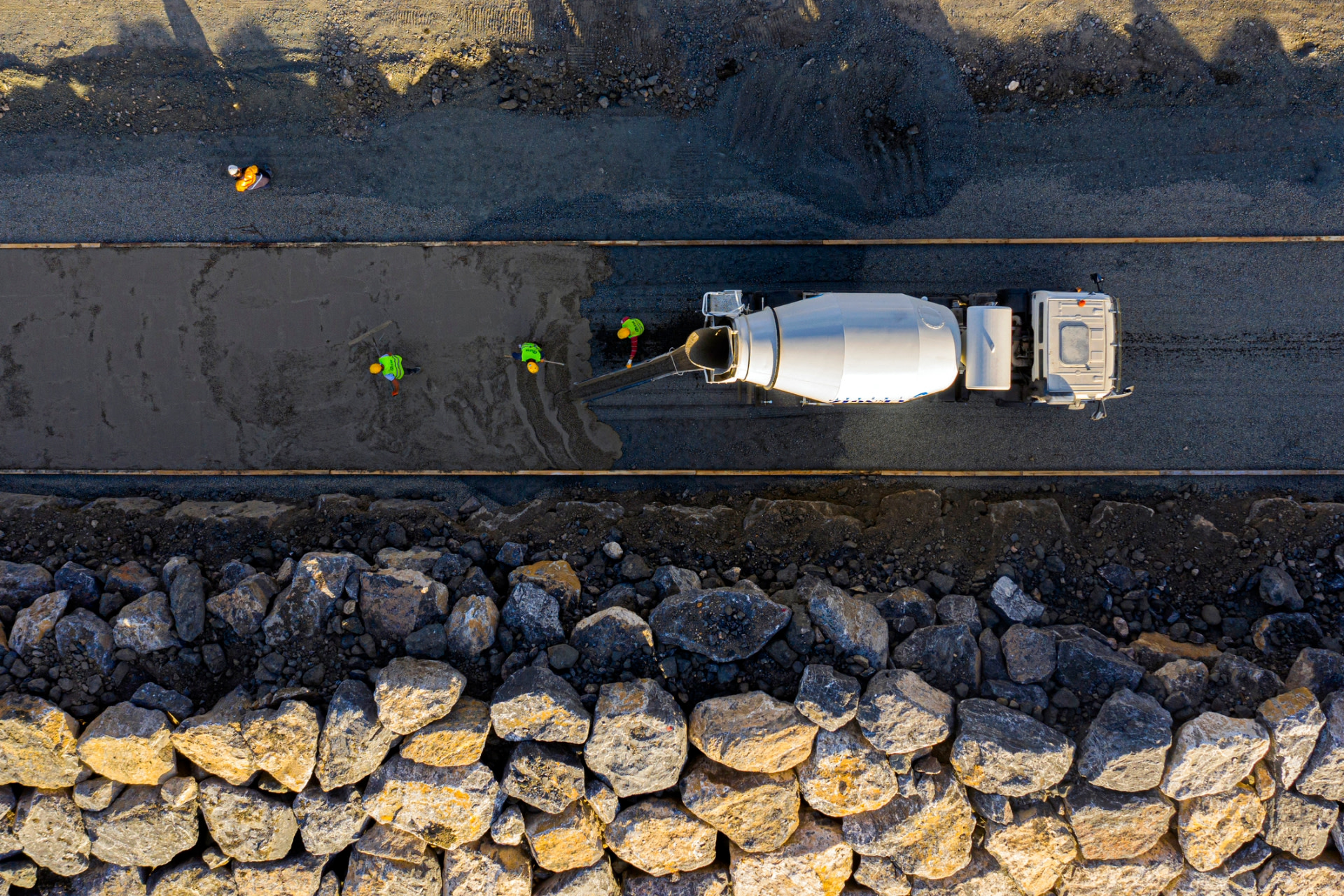
To understand the urgency of green tech in these industries, we must first confront an uncomfortable truth: cement and steel are carbon’s most prolific emissaries. Cement, the glue of modern civilization, is produced through a process that releases CO₂ at two critical junctures—first, when limestone is heated to create clinker (the key ingredient), and second, from the fuel burned to achieve those searing temperatures. The result? Roughly 8% of global CO₂ emissions, a figure that grows as urbanization accelerates in developing nations.
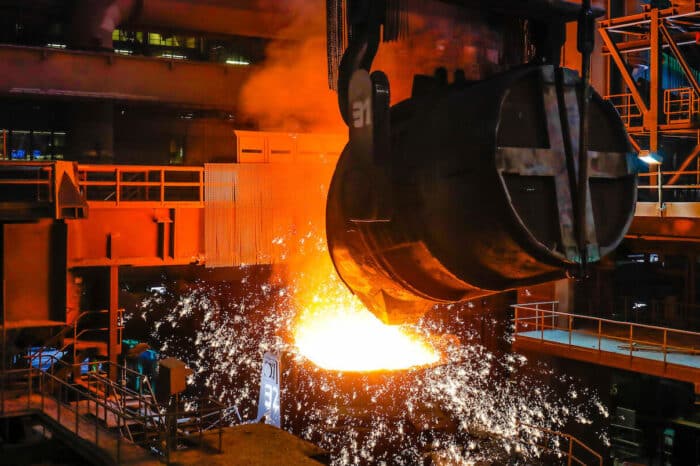
Steel, the backbone of infrastructure, is no less culpable. Traditional blast furnaces rely on coking coal to strip oxygen from iron ore, a chemical dance that emits nearly two tons of CO₂ for every ton of steel produced. Add to this the energy-intensive processes of mining, transport, and secondary refining, and the sector’s carbon footprint swells to 7-9% of global emissions. Together, these industries form a Gordian knot of climate culpability—one that demands not incremental tweaks, but a full-scale reinvention.
Yet, here’s the twist: these very industries hold the keys to their own redemption. Unlike sectors like aviation or shipping, where decarbonization is a Herculean task, cement and steel can leverage their existing infrastructure, supply chains, and economic clout to pivot toward green tech. The question isn’t whether they can change—it’s whether they will, fast enough to matter.
Green Hydrogen: The Alchemist’s Fuel for a Carbon-Free Future
Enter green hydrogen—the darling of the decarbonization movement and the linchpin of a steel revolution. Unlike its fossil-fuel-derived cousins (gray or blue hydrogen), green hydrogen is produced by splitting water into hydrogen and oxygen using renewable electricity. When used in steelmaking, it replaces coking coal in a process called direct reduced iron (DRI), yielding water vapor instead of CO₂. The result? Near-zero emissions steel.
Companies like HYBRIT (a joint venture between SSAB, LKAB, and Vattenfall) have already demonstrated this at scale, producing the world’s first fossil-free steel in 2021. The implications are staggering: if adopted globally, green hydrogen could slash steel’s emissions by up to 95%. But the journey isn’t without hurdles. Scaling green hydrogen requires a monumental ramp-up in renewable energy capacity, as well as massive investments in electrolyzer technology and hydrogen transport infrastructure. Still, the momentum is undeniable. The European Union’s Green Deal Industrial Plan earmarks billions for hydrogen corridors, while the U.S. Inflation Reduction Act offers tax credits to accelerate adoption.
Carbon Capture: Not Just a Stopgap, But a Game-Changer
While green hydrogen steals the spotlight, carbon capture and utilization (CCU) is the unsung hero of industrial decarbonization. The premise is simple: capture CO₂ emissions from cement and steel plants before they reach the atmosphere, then either store them permanently (carbon capture and storage, or CCS) or repurpose them into useful products (carbon capture and utilization, or CCU).
For cement, CCU offers a particularly elegant solution. The process of calcining limestone releases CO₂, but it also produces a concentrated stream of the gas, making it ideal for capture. Companies like CarbonCure are injecting captured CO₂ into fresh concrete, where it mineralizes into limestone, strengthening the material while permanently sequestering the carbon. Similarly, Climeworks’ direct air capture (DAC) technology can pull CO₂ from ambient air to produce synthetic fuels or building materials, creating a closed-loop system.
Steel presents a different challenge—its emissions are more diffuse—but innovations like oxy-fuel combustion (burning fuel in pure oxygen to produce a concentrated CO₂ stream) and top gas recycling (reusing blast furnace gases) are making capture more feasible. The potential is vast: the International Energy Agency estimates that CCU could abate up to 15% of cement and steel emissions by 2030. The catch? Cost. While CCS costs have dropped by 50% in the last decade, they still hover around $60-100 per ton of CO₂—far from competitive with current carbon prices. Yet, as economies of scale kick in and carbon pricing tightens, CCU could become the cornerstone of industrial decarbonization.
Alternative Binders and Clinkers: Reinventing Cement from the Ground Up
What if the solution to cement’s carbon problem isn’t just about capturing emissions, but about reengineering the material itself? Enter alternative binders—cement-like substances that don’t rely on Portland clinker, the carbon-intensive heart of traditional cement. These innovations promise to decouple construction from its carbon legacy.
One promising avenue is geopolymer cement, made from industrial byproducts like fly ash or slag. Unlike Portland cement, geopolymers harden through a chemical reaction with alkaline solutions, not by burning limestone. The result? Up to 80% lower emissions. Companies like Wagners in Australia have already commercialized geopolymer concrete, used in projects like the Brisbane West Wellcamp Airport. Another breakthrough is magnesium-based cement, which absorbs CO₂ as it cures, effectively turning buildings into carbon sinks. Startups like CarbonCure and Solidia Technologies are pushing these alternatives into the mainstream, proving that green cement isn’t just a dream—it’s a deliverable.
Yet, the path isn’t without friction. Alternative binders often face skepticism from engineers wary of unproven durability, and their higher upfront costs can deter developers. But as climate regulations tighten and carbon taxes loom, these materials may soon become the default, not the exception.
The Circular Economy: Turning Waste into Wealth
Industrial decarbonization isn’t just about reducing emissions—it’s about reimagining waste as a resource. The circular economy offers a blueprint for this transformation, where byproducts of one process become feedstock for another. In steelmaking, for example, electric arc furnaces (EAFs) melt scrap steel using electricity, slashing emissions by 70% compared to blast furnaces. The catch? EAFs require high-quality scrap, and global steel recycling rates hover around 30%. Boosting this figure could unlock massive emissions reductions.
For cement, the circular economy means repurposing industrial waste as raw material. Fly ash from coal plants, slag from steel mills, and even recycled concrete aggregate can replace a portion of clinker, reducing both emissions and landfill waste. The EU’s Circular Economy Action Plan mandates that 70% of non-hazardous construction waste be recycled by 2030—a target that could reshape the industry’s footprint. Meanwhile, companies like CarbonBuilt are turning CO₂ into a revenue stream by using it to cure concrete blocks, creating a closed-loop system where waste becomes profit.
The Policy Engine: Accelerating Change Through Regulation and Incentives
No green tech revolution happens in a vacuum. It requires a policy ecosystem that rewards innovation and penalizes carbon pollution. Governments worldwide are stepping up, albeit at different paces. The European Union’s Carbon Border Adjustment Mechanism (CBAM) slaps a carbon tariff on imports of high-emission materials like steel and cement, leveling the playing field for green producers. Meanwhile, the U.S. Inflation Reduction Act offers up to $3 per kilogram of clean hydrogen produced, making green steel and cement more competitive.
But policy alone isn’t enough. Public procurement can drive demand—mandating low-carbon materials in government contracts sends a clear signal to industry. The U.K.’s Procurement Policy Note requires all major infrastructure projects to use low-carbon steel and concrete by 2025, a move that could catalyze market transformation. Similarly, carbon pricing—whether through taxes or cap-and-trade systems—internalizes the cost of pollution, making green tech the economically rational choice.
The challenge? Ensuring these policies are ambitious enough to meet climate targets without stifling industry growth. The balance between carrots and sticks will determine whether green tech becomes a niche experiment or the new normal.
The Human Element: Labor, Communities, and the Just Transition
Decarbonizing cement and steel isn’t just a technical challenge—it’s a human one. These industries employ millions worldwide, from miners in India to steelworkers in Germany. A rapid shift to green tech risks leaving communities behind, unless paired with a just transition strategy that prioritizes worker retraining, local economic diversification, and community investment.
In regions like the Ruhr Valley in Germany or the industrial heartlands of China, coal and steel have defined identities for generations. Transitioning to green hydrogen or EAFs requires not just new machinery, but new skills. Programs like Germany’s Kohleausstieg (coal exit) law allocate billions to retrain miners for renewable energy jobs, proving that decarbonization can be a pathway to prosperity, not displacement. Similarly, in South Africa, where coal and steel are economic lifelines, initiatives like the Just Energy Transition Partnership aim to cushion the blow while accelerating green innovation.
The lesson is clear: the green tech revolution must be inclusive. Without addressing the social dimensions of decarbonization, the transition risks becoming another chapter in the story of climate injustice.
The future of cement and steel isn’t written in stone—it’s being forged in the fires of innovation. Green tech offers a once-in-a-century opportunity to redefine these industries, not as climate villains, but as architects of a sustainable tomorrow. From hydrogen-powered furnaces to carbon-absorbing concrete, the tools are here. The policies are aligning. The urgency is undeniable.
Yet, the window to act is closing. The next decade will determine whether these breakthroughs scale fast enough to avert the worst impacts of climate change. The question isn’t whether we can decarbonize cement and steel—it’s whether we will. The blueprints exist. The technologies are maturing. The time to build is now.
Leave a comment