


In the relentless march of corporate evolution, few processes have remained as stubbornly analog as employee onboarding. Picture this: a new hire, wide-eyed and eager, is handed a stack of manuals thicker than a phone book from the 1980s. Their first week is less about diving into meaningful work and more about deciphering the labyrinthine intricacies of HR policies, benefits, and compliance checklists. It’s a rite of passage, yes—but one that feels increasingly archaic in an era where algorithms can compose symphonies and paint photorealistic landscapes. What if, instead of drowning in paperwork, your new team members could step into a world where their onboarding documentation materializes like a well-rehearsed symphony, tailored to their role, their pace, and their curiosity? Enter generative AI, the quiet revolutionist reshaping how organizations induct talent, transforming what was once a slog into an experience that feels almost… magical.
The fascination with generative AI in onboarding isn’t just about efficiency—it’s about reimagining the first impression of a company. When a new employee receives a personalized handbook that speaks directly to their job function, their learning style, and even their quirks, it sends a message: You matter. We see you. This isn’t just automation; it’s a form of digital empathy, a way to make the first interaction with a corporation feel as human as possible. Yet beneath this surface-level marvel lies a deeper truth: our obsession with generative AI in onboarding reflects a broader cultural hunger for personalization in every facet of life. We no longer accept one-size-fits-all solutions, whether it’s in our entertainment, our shopping, or our work. The demand for bespoke experiences has seeped into the corporate world, and generative AI is the tool that finally delivers.
The Onboarding Quagmire: Why Traditional Documentation Fails
Let’s confront the elephant in the room: traditional onboarding documentation is a relic of a bygone era. It’s static, impersonal, and often overwhelming. A 200-page employee handbook might as well be written in hieroglyphics for all the good it does on Day One. New hires are expected to absorb mountains of information in a compressed timeframe, leading to cognitive overload and retention rates that would make even the most patient HR manager wince. The result? A workforce that’s technically onboarded but not truly engaged, left to piece together the nuances of their role through osmosis and trial by fire.
Consider the paradox: companies invest heavily in cutting-edge technology, yet their onboarding processes rely on methods that haven’t evolved since the Industrial Revolution. Paperwork is shuffled, signatures are collected, and compliance boxes are ticked—but where’s the spark? Where’s the moment when a new hire feels not just welcomed, but understood? The disconnect is glaring. Generative AI doesn’t just patch this gap; it obliterates it by creating documentation that’s dynamic, interactive, and, most importantly, alive. Imagine a handbook that adapts in real-time, highlighting the sections most relevant to a software engineer while glossing over the intricacies of sales tax compliance for a marketing specialist. This isn’t futurism—it’s the logical next step in a world where information is no longer scarce, but attention is.
Generative AI as the Architect of Personalized Onboarding
The magic of generative AI lies in its ability to transform raw data into something that feels tailor-made. For onboarding, this means dissecting an employee’s role, department, and even their learning preferences to craft documentation that resonates. A generative AI system can ingest a job description, cross-reference it with company policies, and produce a handbook that’s laser-focused on what the new hire needs to know—nothing more, nothing less. But it doesn’t stop there. This AI can also generate quizzes, FAQs, and even scenario-based training modules that feel like they were written by a mentor who’s been shadowing the employee for weeks.
Take, for example, the concept of adaptive documentation. Unlike static PDFs, adaptive handbooks evolve as the employee progresses. If a new hire consistently struggles with a particular process, the AI can generate supplementary guides or interactive simulations to reinforce learning. Conversely, if they breeze through a section, the system might skip ahead, ensuring they’re not bogged down by redundant information. This level of personalization isn’t just efficient—it’s transformative. It turns onboarding from a chore into a journey, where each step feels intentional and rewarding.
The deeper allure of this technology is its ability to democratize expertise. In large organizations, institutional knowledge is often siloed, accessible only to a select few. Generative AI flips this script by distilling the collective wisdom of the company into bite-sized, digestible formats. A junior employee in Tokyo can receive the same level of guidance as a senior leader in New York, all without the need for a single in-person meeting. This isn’t just about scaling onboarding—it’s about leveling the playing field, ensuring that every new hire, regardless of location or background, starts on equal footing.
The Alchemy of Data: How AI Crafts the Perfect Handbook
At the heart of generative AI’s power is its insatiable appetite for data. To create a truly personalized onboarding experience, the system must first ingest a staggering array of inputs: job descriptions, company policies, team structures, industry regulations, and even cultural nuances. This data is then processed through a series of neural networks, which identify patterns and generate content that aligns with the employee’s needs. The result is a handbook that feels like it was written by someone who’s spent years studying the company—and the employee.
But data alone isn’t enough. The real magic happens when AI combines this information with contextual understanding. For instance, if a new hire is joining the engineering team, the AI might prioritize sections on coding standards and deployment protocols. If they’re in customer support, the focus shifts to product knowledge and troubleshooting guides. This contextual layer ensures that the documentation isn’t just accurate—it’s relevant. It’s the difference between a generic manual and a roadmap designed specifically for the traveler.
Of course, no system is perfect. Generative AI can occasionally produce content that’s off-brand or overly verbose, requiring human oversight to refine and polish. But the beauty of this technology is its iterative nature. The more it’s used, the better it gets. Each interaction feeds back into the system, allowing it to learn and adapt over time. It’s a virtuous cycle: the more personalized the documentation, the more engaged the employees, the more data the AI collects, and the more refined the next iteration becomes.
Beyond the Handbook: AI-Powered Onboarding Ecosystems
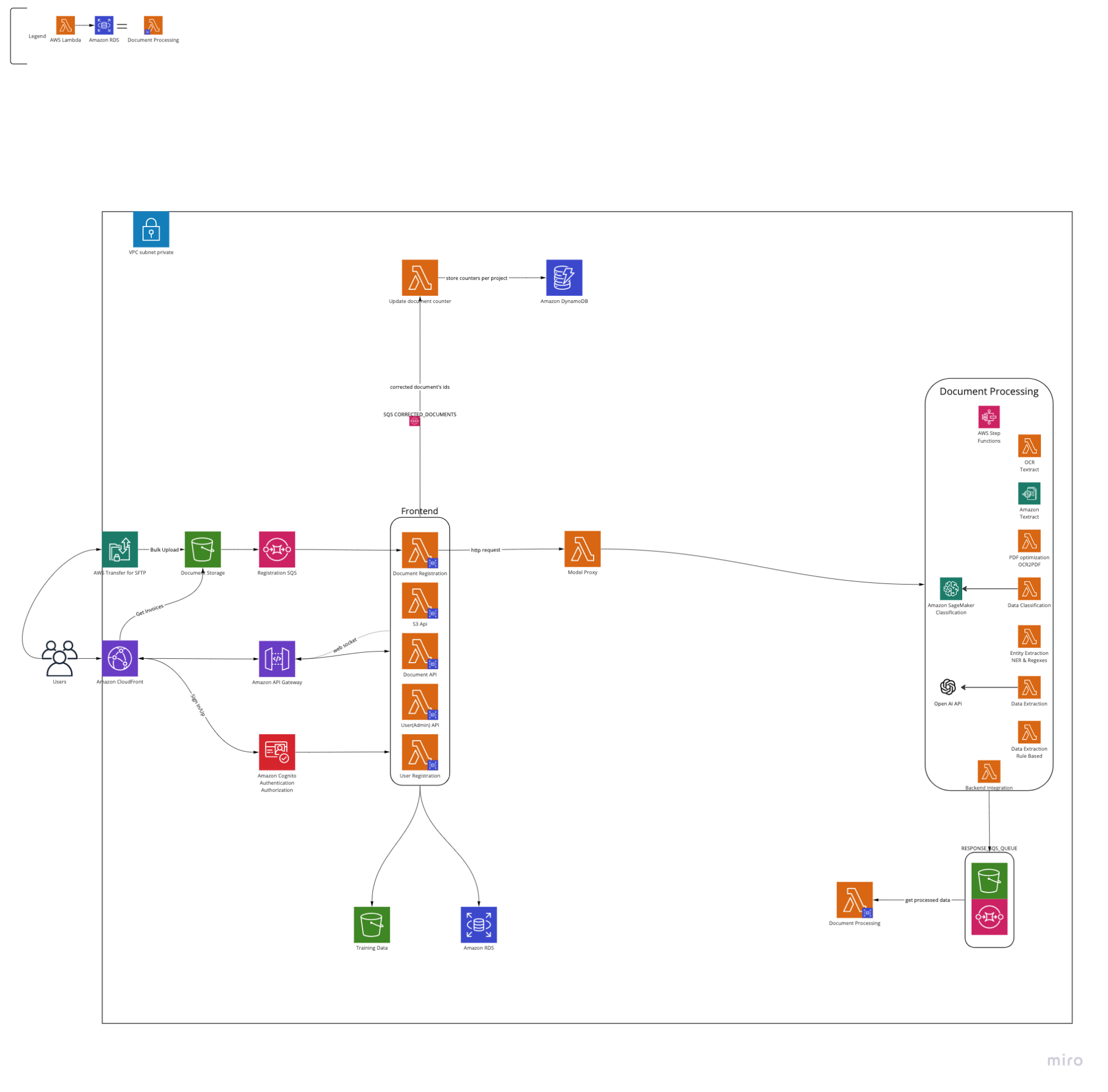
Generative AI doesn’t just stop at creating handbooks—it can orchestrate entire onboarding ecosystems. Imagine a digital assistant that greets new hires with a personalized welcome message, complete with a virtual tour of the office (or a 3D walkthrough if remote). This assistant can answer questions in real-time, from “Where do I park?” to “What’s the company’s stance on remote work?” It can even simulate common workplace scenarios, like handling a difficult client or navigating a team conflict, allowing employees to practice in a risk-free environment.
Another frontier is the integration of generative AI with learning management systems (LMS). Instead of forcing new hires to wade through a series of pre-recorded videos, the AI can generate interactive tutorials tailored to their role. A salesperson might receive a simulation where they practice pitching a product to a virtual client, while a data analyst gets a hands-on exercise analyzing a dataset. This gamification of onboarding doesn’t just make the process more engaging—it accelerates learning and retention.
The implications for compliance training are equally groundbreaking. Instead of enduring a dry, one-size-fits-all PowerPoint presentation, employees can engage with scenario-based training that feels like a choose-your-own-adventure story. If they make a wrong choice, the AI can explain why it’s incorrect and offer guidance on the right path. This not only makes compliance training more effective but also more memorable.
The Human Touch in a Digital World
Despite the undeniable benefits of generative AI, it’s crucial to remember that technology is a tool, not a replacement for human connection. The most effective onboarding experiences blend the precision of AI with the warmth of human interaction. For instance, while AI can generate a welcome video from the CEO, nothing beats an in-person (or virtual) meet-and-greet where the leader shares their vision and values. Similarly, while AI can craft a personalized handbook, a mentor or buddy system can provide the emotional support that algorithms can’t.
Generative AI also frees up HR teams from the drudgery of manual documentation, allowing them to focus on what truly matters: building relationships and fostering a sense of belonging. When repetitive tasks are automated, HR professionals can dedicate more time to understanding the unique needs of each employee and tailoring their experience accordingly. It’s a win-win: employees get a more engaging onboarding process, and HR teams get to reclaim their role as architects of culture.
Measuring the Impact: Beyond Metrics to Meaning
How do you quantify the success of generative AI-driven onboarding? Traditional metrics like time-to-productivity and retention rates are a start, but they only scratch the surface. The real measure of success is the intangible: the spark in a new hire’s eyes when they realize their employer has invested in their success. It’s the confidence they exude after acing their first training simulation. It’s the sense of belonging they feel when their handbook speaks directly to their role and aspirations.
Companies that embrace generative AI in onboarding often report higher engagement scores and faster ramp-up times, but the true testament to its power lies in the stories employees share. A developer who credits their early success to an AI-generated guide that helped them navigate the company’s codebase. A marketer who felt instantly at home because their onboarding materials reflected their team’s workflow. These aren’t just anecdotes—they’re proof that generative AI is rewriting the rules of corporate induction.
The Future: Onboarding as a Continuous Conversation
The evolution of generative AI in onboarding is far from over. In the coming years, we can expect to see even more sophisticated integrations, such as real-time feedback loops where the AI adjusts documentation based on an employee’s performance and engagement. Imagine a system that notices a new hire is struggling with a particular concept and automatically generates additional resources or connects them with a peer mentor. Or a platform that uses sentiment analysis to detect frustration and intervenes with a motivational message or a pep talk from a senior leader.
There’s also the potential for generative AI to bridge cultural gaps in global organizations. By translating and localizing onboarding materials in real-time, companies can ensure that every employee, regardless of language or location, feels included and valued. This isn’t just about compliance—it’s about creating a truly inclusive workplace where diversity is celebrated, not just tolerated.
The final frontier? The blurring of lines between onboarding and ongoing development. Generative AI could eventually create a seamless continuum where documentation evolves alongside an employee’s career, providing guidance not just for their first week, but for their first year, their first promotion, and beyond. It’s a future where the onboarding process never truly ends—it simply becomes a lifelong conversation between the employee and the company.
As we stand on the precipice of this new era, one thing is clear: generative AI is more than a tool for efficiency. It’s a catalyst for transformation, a way to reimagine the first impression of a company and set the tone for an employee’s entire journey. In a world where talent is the ultimate currency, the organizations that leverage this technology won’t just onboard faster—they’ll onboard smarter, creating experiences that resonate, inspire, and endure. The future of onboarding isn’t just automated; it’s elevated. And it’s here.
Leave a comment