


In a world where digital credentials are reshaping professional landscapes, LinkedIn has emerged as the ultimate stage for showcasing your expertise—especially when it comes to blockchain badges. These cryptographically verified tokens aren’t just digital stickers; they’re proof of your skills, achievements, and credibility in an era where trust is the new currency. Imagine transforming your profile from a static resume into a dynamic portfolio that speaks the language of the future. This isn’t just about adding a badge to your page; it’s about redefining how you’re perceived in a competitive job market. Whether you’re a blockchain developer, a project manager, or a curious learner, these badges can catapult your professional narrative into uncharted territory. Ready to unlock the potential of your LinkedIn presence? Let’s dive into the step-by-step journey of showcasing blockchain badges like a pro.
The Blockchain Badge Revolution: Why Your LinkedIn Profile Needs One
Gone are the days when a degree or a certificate could single-handedly validate your expertise. Today, blockchain badges—immutable, tamper-proof digital credentials—are the gold standard for proving your skills in real time. Unlike traditional certificates, these badges live on decentralized ledgers, ensuring their authenticity is verifiable by anyone, anywhere. For professionals, this means your achievements are no longer just claims on a resume; they’re irrefutable facts etched into the digital fabric of the internet. On LinkedIn, where first impressions are everything, a blockchain badge doesn’t just add credibility—it creates a ripple effect. Recruiters, peers, and industry leaders will see you as someone who embraces innovation, stays ahead of trends, and values transparency. The message is clear: you’re not just keeping up with the future; you’re building it.
Step 1: Acquiring Your Blockchain Badge—Where to Begin
Before you can showcase your badge, you need one. The first step is identifying reputable platforms that issue blockchain-verified credentials. Organizations like Certifier, Accredible, and Badgr specialize in creating and distributing these digital tokens. Each platform has its own process, but the core principle remains the same: you complete a course, pass an assessment, or meet specific criteria, and the issuing body mints your badge on a blockchain (often Ethereum or Hyperledger). Some platforms even allow you to customize the badge’s metadata, ensuring it aligns with your professional brand. Pro tip: Opt for badges that include metadata like issuer details, expiration dates, and skill descriptions—these elements make your badge more compelling when shared on LinkedIn.
Once earned, your badge isn’t just a file in your inbox. It’s a dynamic asset with a unique URL, often hosted on the issuer’s platform or embedded directly into a blockchain explorer. This URL is your golden ticket—it’s the link you’ll use to verify and display your badge across platforms, including LinkedIn. Before proceeding, double-check that the badge’s metadata is accurate and that the issuing organization is recognized in your industry. A badge from a well-known blockchain consortium carries more weight than one from an obscure source.
Step 2: Verifying Your Badge—The Non-Negotiable Step
Here’s where the magic of blockchain truly shines: verification. Unlike traditional certificates that can be faked with a few clicks, blockchain badges can be instantly verified by anyone with the badge’s URL. But before you slap it onto your LinkedIn profile, take a moment to verify it yourself. Most issuers provide a verification tool on their website—simply paste your badge’s URL into the search bar, and the platform will confirm its authenticity. This step is crucial because it ensures there are no discrepancies between what’s displayed on your profile and the badge’s actual data. A verified badge isn’t just a pretty icon; it’s a promise of legitimacy that resonates with anyone who views your profile.
If your badge isn’t verifiable, it’s worth reaching out to the issuer to resolve the issue. A non-verifiable badge is like a broken link—it undermines your credibility rather than enhancing it. Once verified, save the badge’s URL in a secure place. You’ll need it for the next steps, and having it handy saves you from last-minute scrambles.
Step 3: Embedding Your Badge into Your LinkedIn Profile—The Art of Subtle Showcasing
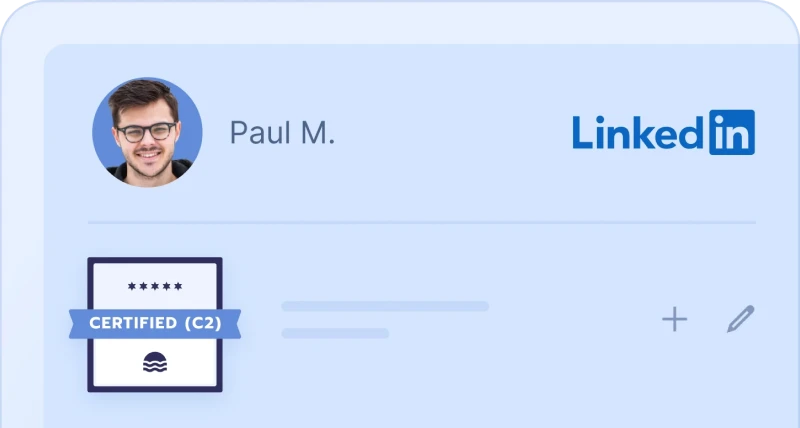
LinkedIn doesn’t natively support blockchain badges, but that doesn’t mean you can’t feature them prominently. The platform allows you to add external links to your profile, and this is where your badge’s URL comes into play. Start by navigating to your LinkedIn profile and clicking the “Add profile section” button. Select “Licenses & certifications” or “Accomplishments”, depending on your profile layout. Here, you’ll input the badge’s title, issuer, and—most importantly—the URL. LinkedIn will automatically generate a preview of your badge, pulling in the image and metadata from the issuer’s platform.
But why stop at the basic setup? To make your badge stand out, consider adding a custom section titled something like “Blockchain Credentials” or “Digital Achievements”. This creates a dedicated space for your badges, drawing attention to them without cluttering your profile. You can also embed your badge in the “About” section or even in a post to announce your achievement. The key is to integrate it naturally, ensuring it complements your professional narrative rather than overshadowing it.
Step 4: Crafting a Compelling Narrative Around Your Badge
A blockchain badge is more than just a visual; it’s a story waiting to be told. To maximize its impact, pair it with a narrative that explains its significance. In your “About” section or a dedicated post, share the context behind your achievement. What skills did you gain? How does this badge align with your career goals? For example, if you earned a badge in smart contract development, highlight how it positions you as a leader in decentralized finance (DeFi). If it’s a project management badge, emphasize how blockchain technology is transforming traditional workflows. The goal is to connect the badge to your professional identity, making it a natural extension of your expertise.
Don’t underestimate the power of storytelling. A well-crafted post announcing your badge can spark conversations, attract recruiters, and even inspire others to pursue similar credentials. Use a tone that reflects your personality—whether it’s enthusiastic, reflective, or forward-thinking. And remember, authenticity resonates. If you’re genuinely excited about your achievement, let that excitement shine through.
Step 5: Leveraging Your Badge for Networking and Opportunities
Once your badge is live on LinkedIn, it’s time to put it to work. Start by sharing it in relevant LinkedIn groups or communities focused on blockchain, cryptocurrency, or your specific industry. Engage with posts about digital credentials, and when appropriate, mention your badge as a testament to your expertise. This subtle form of social proof can open doors to collaborations, job offers, or speaking opportunities. Additionally, consider adding your badge to your email signature, personal website, or even your resume. The more visible it is, the more it reinforces your credibility.
Another powerful strategy is to tag the issuer of your badge in a post or comment. Many organizations appreciate recognition and may reshare your achievement with their audience, amplifying your reach. You can also connect with other professionals who have earned similar badges—this can lead to mentorship opportunities or partnerships. The blockchain ecosystem thrives on community, and your badge is an invitation to join the conversation.
Step 6: Keeping Your Badge Relevant—The Long-Term Game
Blockchain technology evolves at a breakneck pace, and so should your credentials. Regularly review your badges to ensure they align with your current skills and career trajectory. If a badge is outdated or no longer relevant, consider earning a new one to stay competitive. Additionally, keep an eye on emerging platforms and issuers—new players in the blockchain credentialing space are constantly innovating, offering badges that might better suit your professional goals.
It’s also wise to update your LinkedIn profile periodically to reflect your latest achievements. A stale profile sends a message that you’re not actively growing, while a dynamic one signals ambition and adaptability. Set a reminder to revisit your badges every few months, and don’t hesitate to remove or replace those that no longer serve your narrative.
The Ripple Effect: How Blockchain Badges Transform Your Professional Identity
By now, it’s clear that blockchain badges are more than digital trinkets—they’re catalysts for change. They redefine how you’re perceived, how you engage with your network, and how you seize opportunities. On LinkedIn, where perception is everything, these badges elevate your profile from ordinary to extraordinary. They signal to the world that you’re not just keeping up with the future; you’re shaping it. Whether you’re a seasoned professional or just starting your journey, blockchain badges offer a tangible way to prove your worth in an increasingly digital world.
So, take the leap. Acquire your badge, verify its authenticity, and weave it into your LinkedIn narrative with intention and purpose. Share your story, engage with your community, and watch as your profile transforms into a beacon of credibility and innovation. The future of professional recognition isn’t coming—it’s here. And it’s time to claim your place in it.
Leave a comment