


Ever feel like your company is a high-speed train barreling down the tracks, and you’re the conductor—except you’re also the ticket collector, the engineer, the snack vendor, and the person who forgot to check the schedule? Welcome to the life of a business owner. Staying organized isn’t just about keeping your desk tidy; it’s about keeping your sanity intact while you scale mountains of emails, meetings, and to-do lists that somehow multiply overnight. So, how do you stay on top of it all without burning out before lunch? Let’s dive in.
Why Organization Isn’t Just a Buzzword—It’s Your Survival Kit
Imagine running a company like hosting a dinner party. You’ve got guests arriving, food cooking, drinks to pour, and someone’s bound to spill something on the carpet. Without a plan, chaos ensues. Organization is your recipe book, your seating chart, and your emergency stain remover all in one. It’s the difference between a smooth operation and a fire drill every hour.
When you’re organized, you:
- Save Time: No more frantic searches for that one document you swore you saved “somewhere.”
- Reduce Stress: Less last-minute scrambling means fewer sleepless nights.
- Boost Productivity: Clear priorities mean you’re not wasting energy on the wrong tasks.
- Impress Clients and Teams: Nothing says “I’ve got this” like seamless execution.
But here’s the kicker: organization isn’t a one-time setup. It’s an ongoing dance—a balance between structure and flexibility. So, how do you master it?
Master the Art of the Digital Command Center

Your digital tools are your new best friends. Think of them as the Swiss Army knife of organization—versatile, reliable, and always there when you need them. But with so many options, where do you even start?
Project Management Tools: Platforms like Trello, Asana, or ClickUp let you break down projects into bite-sized tasks, assign deadlines, and track progress. No more “I thought you were handling that!” moments.
Calendar Apps: Google Calendar or Notion can sync your meetings, deadlines, and personal life in one place. Pro tip: Color-code your events. A quick glance tells you if your day is packed with back-to-back meetings or if you’ve got breathing room.
Document Storage: Tools like Dropbox or Google Drive keep your files organized and accessible. Create folders by project, client, or department to avoid the dreaded “Where did I save that?!” panic.
Communication Tools: Slack or Microsoft Teams can streamline conversations, reducing the clutter of endless email threads. Set up dedicated channels for different teams or projects to keep discussions focused.
The key? Consistency. Pick a system and stick with it. Switching between tools is like trying to cook with a different knife every time—it’s inefficient and frustrating.
Prioritize Like a Pro: The Eisenhower Matrix to the Rescue
Not all tasks are created equal. Some are urgent, some are important, and some are just distractions in disguise. Enter the Eisenhower Matrix, a simple but powerful tool to help you prioritize.

Here’s how it works:
- Urgent and Important: Do these first. These are the fires that need immediate attention—deadlines, crises, or last-minute client requests.
- Not Urgent but Important: Schedule these. Long-term projects, strategic planning, and skill development fall here. Ignoring these can lead to bigger problems down the road.
- Urgent but Not Important: Delegate these. Tasks that demand quick action but don’t contribute to your big-picture goals can often be handed off to someone else.
- Neither: Eliminate these. These are the time-wasters—mindless scrolling, unnecessary meetings, or tasks that don’t add value.
By categorizing your tasks, you’ll focus on what truly moves the needle and avoid getting bogged down by the noise.
Automate the Mundane: Let Tech Do the Heavy Lifting
Running a company means wearing a lot of hats. But do you really need to wear the “data entry” hat every day? Probably not. Automation is your secret weapon to free up time for the work that actually matters.
Email Filters: Set up rules in Gmail or Outlook to automatically sort emails into folders. Newsletters? Archive them. Client inquiries? Flag them for follow-up. Boom—less inbox anxiety.
Recurring Tasks: Use tools like Zapier or Automate.io to automate repetitive tasks. Need to back up files every Friday? Schedule it. Sending monthly reports? Automate it.
Chatbots: For customer service, chatbots can handle FAQs, freeing up your team to tackle more complex issues.
Invoicing and Payments: Tools like QuickBooks or FreshBooks automate invoicing, reminders, and even expense tracking.
The goal? Spend less time on the tedious stuff and more time growing your business.
Time Blocking: The Secret to Beating the Clock
Ever feel like your day is a series of interruptions? You’re not alone. Time blocking is the antidote to the “I’ll just check my email real quick” trap that derails your entire day.
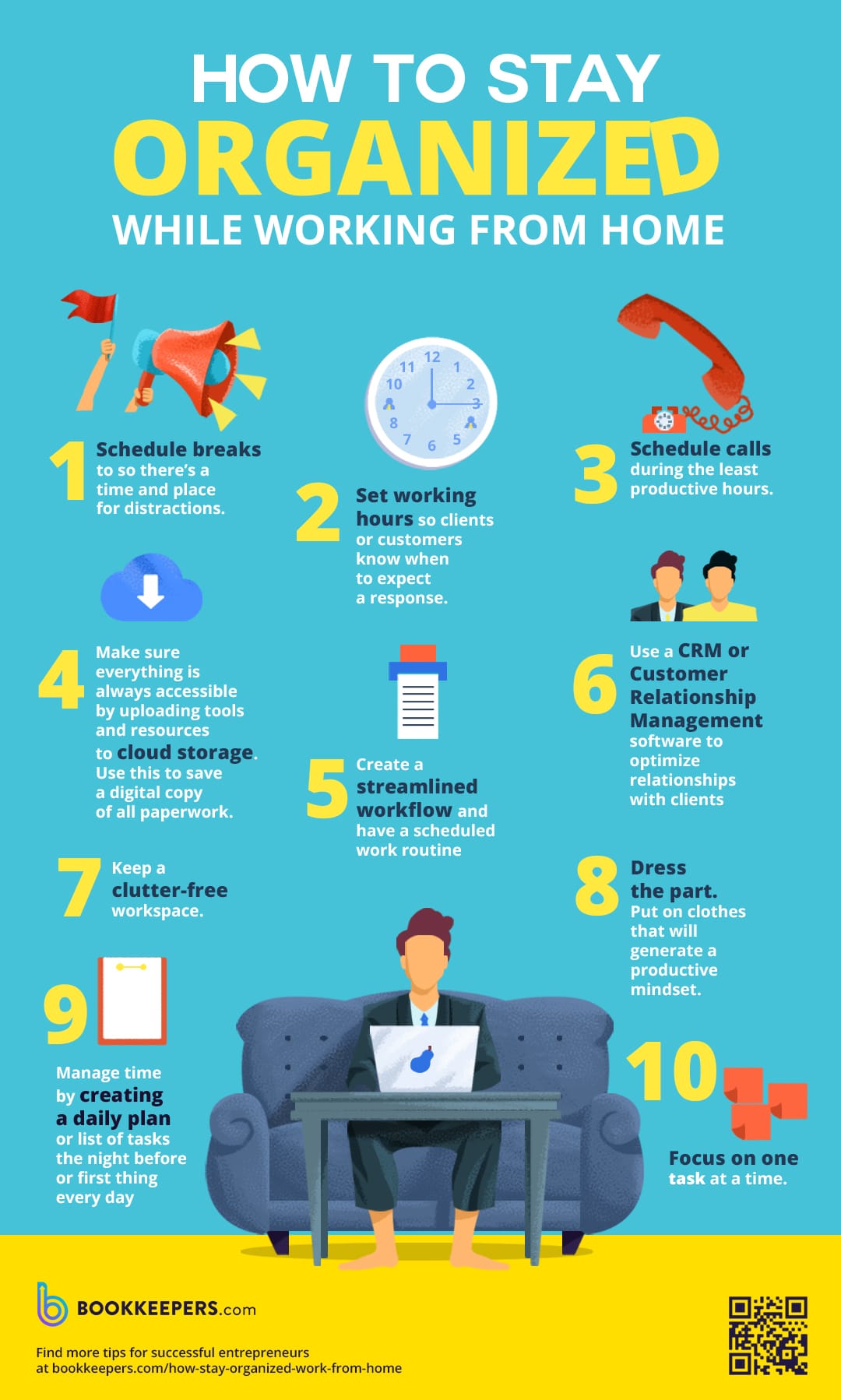
Here’s how to do it:
- Block Your Calendar: Assign specific time slots to tasks. Need to draft a proposal? Block 9–11 AM. Client calls? Schedule them back-to-back in the afternoon.
- Protect Your Time: Treat these blocks like unbreakable appointments. No meetings, no emails—just focused work.
- Batch Similar Tasks: Group related tasks together. Answer all your emails in one go instead of sporadically throughout the day.
- Include Buffer Time: Leave gaps between blocks for unexpected tasks or breaks. Burnout isn’t part of the plan.
Time blocking forces you to confront reality: there are only so many hours in a day. By allocating them wisely, you’ll accomplish more without feeling like you’re running a marathon.
Delegate Like a Leader: You Can’t Do It All (And You Shouldn’t)
Here’s a hard truth: You’re not Superman. Even if you could, you shouldn’t. Delegation isn’t about dumping work on others; it’s about leveraging your team’s strengths to scale your business.
Identify Strengths: Who on your team excels at detail-oriented tasks? Who’s a natural problem-solver? Assign responsibilities based on skills, not just availability.
Set Clear Expectations: When delegating, be specific. What’s the goal? What’s the deadline? What does success look like? Vague instructions lead to frustration.
Trust but Verify: Micromanaging defeats the purpose. Set checkpoints to review progress, but give your team the autonomy to execute.
Empower Growth: Delegation is a chance for your team to learn and grow. Provide feedback and support to help them succeed.
Remember, your role as a leader isn’t to do everything yourself—it’s to create an environment where others can thrive.
Review and Refine: The Never-Ending Cycle of Improvement
Organization isn’t a set-it-and-forget-it deal. It’s a living, breathing process that requires regular check-ins. Every week, take 30 minutes to review what’s working and what’s not.
Ask Yourself:
- What tasks took longer than expected?
- Where did I waste time?
- What distractions can I eliminate?
- Are my tools still serving me, or do I need an upgrade?
Use these insights to tweak your systems. Maybe you need to adjust your time blocks or delegate a task you’ve been holding onto. The goal? Continuous improvement.
Final Thought: Organization Is a Superpower
Running a company is chaotic by nature. But with the right systems, tools, and mindset, you can turn that chaos into order. Organization isn’t about perfection—it’s about progress. It’s about creating space to think, create, and lead without drowning in the details.
So, take a deep breath. Pick one strategy from this guide and implement it this week. Then another. And another. Before you know it, you’ll be the conductor of your business symphony—calm, in control, and ready to take on whatever comes next.
And hey, if you drop a ball or two along the way? That’s okay. Even the best jugglers miss a catch now and then. The key is to keep practicing.
Leave a comment