


Imagine waking up to sunlight streaming through curtains that part themselves at the perfect moment, your coffee brewing before your alarm even rings, and your commute optimized by real-time traffic predictions that reroute you effortlessly. This isn’t a scene from a futuristic movie—it’s the quiet revolution of smart systems, where technology bends to your will, not the other way around. Building a life that runs on these systems isn’t about chasing the latest gadgets; it’s about designing a life where every detail aligns with your rhythm, your goals, and your peace of mind.
Think of your life as a symphony. Without a conductor, the instruments clash. With one, every note resonates in harmony. Smart systems are the invisible conductors of your daily existence—orchestrating efficiency, eliminating friction, and freeing you to focus on what truly matters. But how do you transition from a life of scattered tasks and constant adjustments to one where everything hums in perfect sync? Let’s break it down.
—
The Foundation: Identify Your Life’s “Operating System”
Every smart system begins with a core framework—an operating system that dictates how all other components interact. In your life, this operating system is your personal rhythm. Are you a morning person who thrives on structure, or do you hit your stride in the evening? Do you prioritize health, work, family, or creativity? Your smart systems should reflect these priorities, not impose rigid rules.
Start by mapping your daily and weekly priorities. Use a tool like Notion or a simple spreadsheet to categorize your goals into pillars: health, productivity, relationships, and leisure. Then, ask: Where does friction exist? Is it in meal planning? Is it in remembering to take breaks? Is it in keeping track of appointments? These friction points are the first candidates for automation.
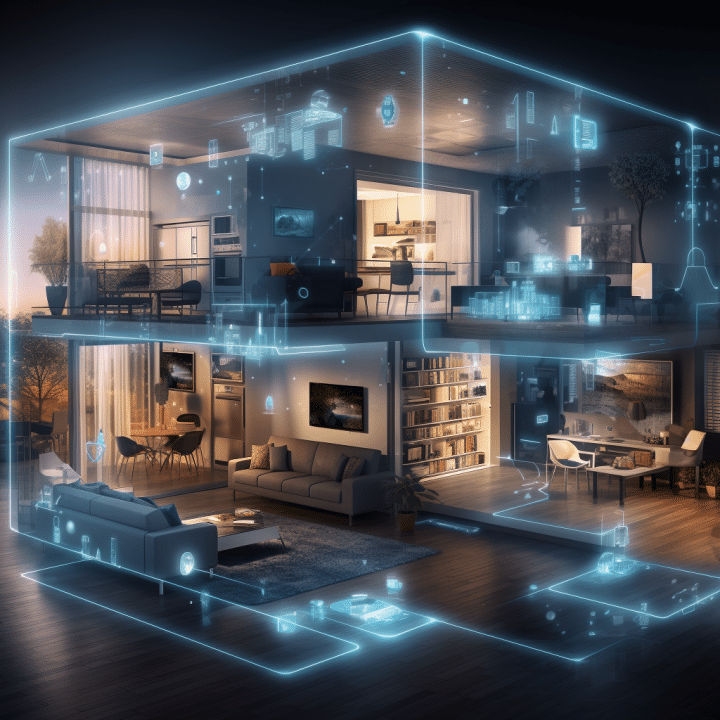
For example, if mornings are chaotic, a smart alarm system tied to your sleep tracker (like Oura Ring or Whoop) can wake you during your lightest sleep phase. Pair it with a smart coffee maker (like Ratio Six) that starts brewing when your tracker detects you’re awake. Suddenly, your morning isn’t a scramble—it’s a seamless transition into your day.
—
Automate the Mundane: The Art of Invisible Efficiency
Efficiency isn’t about doing more; it’s about doing less of what drains you. Smart systems excel at turning repetitive, time-consuming tasks into background processes—like a well-oiled machine that requires no manual intervention. The key is to automate the “invisible work” that clutters your mental bandwidth.
Consider your digital life. How much time do you spend sorting emails, organizing files, or resetting passwords? Tools like Zapier or Make (formerly Integromat) can automate these workflows. For instance, you can set up a Zap that automatically saves email attachments to Google Drive, labels important senders, and even drafts responses to common inquiries. Your inbox becomes a self-sustaining ecosystem.
In your physical space, smart home devices can handle the daily grind. A robot vacuum like the Roborock S8 Pro Ultra keeps floors clean without lifting a finger. Smart plugs like Kasa Smart Plugs can turn off devices that draw phantom power, reducing your energy bill while you sleep. Even your thermostat (Nest Learning Thermostat) learns your preferences and adjusts temperatures to save energy—all while you’re out living your life.
The magic of automation lies in its subtlety. You don’t notice it until you realize you have an extra hour each week—or until you’re sipping coffee while your home prepares itself for the day ahead.
—
Design Your Environment: The Power of Contextual Intelligence
A smart life isn’t just about gadgets; it’s about creating an environment that anticipates your needs. This is where contextual intelligence comes into play—systems that understand the “why” behind your actions and adapt accordingly.
Start with your home. Smart lighting systems like Philips Hue or Lutron Caséta can adjust brightness and color temperature based on the time of day, your circadian rhythm, or even your mood. Bright, cool lights in the morning boost alertness, while warm, dim lights in the evening signal relaxation. Pair this with smart blinds (IKEA RYET or Serena Shades) that open gradually to mimic sunrise, and you’ve created a wake-up ritual that feels natural, not forced.
Your workspace deserves the same attention. A smart desk like the Fully Jarvis can adjust height based on your posture, while a smart monitor like the LG UltraFine Ergo optimizes screen position to reduce eye strain. Add a smart speaker (Sonos Era 300) that plays focus music when you’re working and ambient sounds when you’re winding down, and your environment becomes a dynamic extension of your mind.
Even your commute can be optimized with contextual systems. Apps like Waze or Google Maps don’t just give directions—they learn your habits. If you frequently stop for coffee at 7:30 AM, they’ll suggest a route that includes your favorite café. If traffic is heavy, they’ll reroute you before you even realize there’s a delay. It’s like having a co-pilot who knows you better than you know yourself.
—
Synchronize Your Systems: The Glue That Holds It All Together
Individual smart systems are powerful, but their true potential is unlocked when they communicate with each other. This is where integration platforms like Apple HomeKit, Google Home, or Amazon Alexa shine. They act as the nervous system of your smart life, ensuring all your devices work in concert.
Imagine this scenario: You arrive home after a long day. As you pull into your driveway, your smart garage door opener (Chamberlain MyQ) recognizes your car and opens automatically. Your smart lights turn on to a preset “welcome home” scene, and your smart thermostat adjusts to your preferred temperature. Meanwhile, your smart speaker greets you with a summary of your day and plays your favorite playlist. All of this happens without you lifting a finger—because your systems are synchronized.
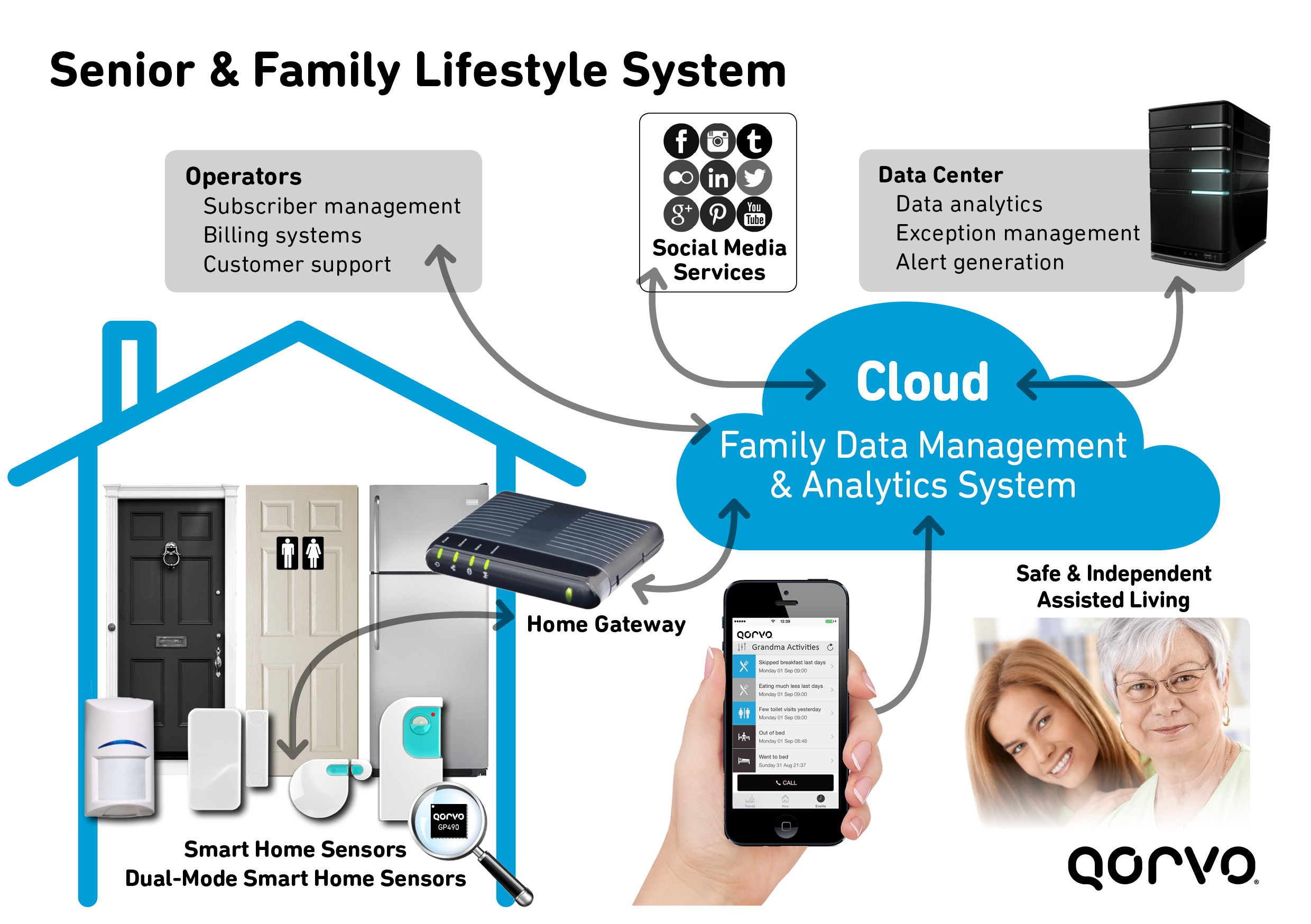
To achieve this level of synchronization, start small. Pick one platform (e.g., Apple HomeKit if you’re in the Apple ecosystem) and gradually add compatible devices. Use routines—automated sequences that trigger multiple actions with a single command. For example, a “Good Morning” routine might:
- Turn on your smart lights to 50% brightness.
- Start your coffee maker.
- Read your calendar for the day.
- Adjust your thermostat to 72°F.
The more your systems communicate, the more they feel like an extension of you—less like tools, more like a second nature.
—
The Human Touch: Balancing Automation with Authenticity
Here’s the paradox of smart systems: the more they automate, the more they should enhance your humanity, not diminish it. The goal isn’t to create a life where you’re a passive observer of your own existence, but one where you’re freed to focus on creativity, connection, and presence.
Consider this: A smart home can handle the logistics of your life, but it can’t give you a hug when you’re stressed or share a laugh with a loved one. Automation should serve your relationships, not replace them. For example, instead of letting a smart speaker read your emails aloud (which can feel impersonal), use it to play a song that sets the mood for a family dinner or to send a voice note to a friend on their birthday.
Similarly, smart systems should respect your boundaries. If you need a digital detox, set boundaries like “no notifications after 9 PM” or “automatically archive non-urgent emails.” The best smart life isn’t one that controls you—it’s one that adapts to your needs.
—
Your Smart Life Blueprint: A Step-by-Step Roadmap
Ready to build your own life on autopilot? Here’s a practical roadmap to get started:
Phase 1: Audit Your Life
Spend a week tracking your time and energy. Note where you feel drained, where you waste time, and where you feel most in flow. Use this data to identify your top 3 friction points.
Phase 2: Start Small
Pick one area to automate—whether it’s your morning routine, your email inbox, or your home lighting. Choose a tool or device that solves a specific problem, not just because it’s trendy.
Phase 3: Integrate Gradually
Once you’re comfortable with one system, layer in another. For example, after automating your lights, add a smart thermostat. Then, connect them via a central hub like HomeKit or Alexa.
Phase 4: Optimize and Refine
Smart systems aren’t set-and-forget. Regularly review your setup to see what’s working and what’s not. Adjust routines, remove unnecessary steps, and stay open to new tools that can enhance your life further.
Phase 5: Enjoy the Freedom
The ultimate goal of a smart life isn’t perfection—it’s peace of mind. When your systems run smoothly, you’re free to focus on what lights you up: hobbies, relationships, and personal growth.
—
Final Thought: The Symphony of Your Life
Building a life that runs on smart systems isn’t about chasing the future—it’s about reclaiming your present. It’s about trading chaos for calm, overwhelm for clarity, and stress for serenity. It’s about designing a life where technology doesn’t just serve you—it understands you.
So start small. Automate one thing today. Then another. Watch as your days unfold with less friction and more flow. And remember: the most powerful smart system isn’t the one with the most gadgets—it’s the one that makes your life feel effortless.
Now, go build your symphony.
Leave a comment