


The Architecture of Attention: Why Your Mind Needs a Blueprint
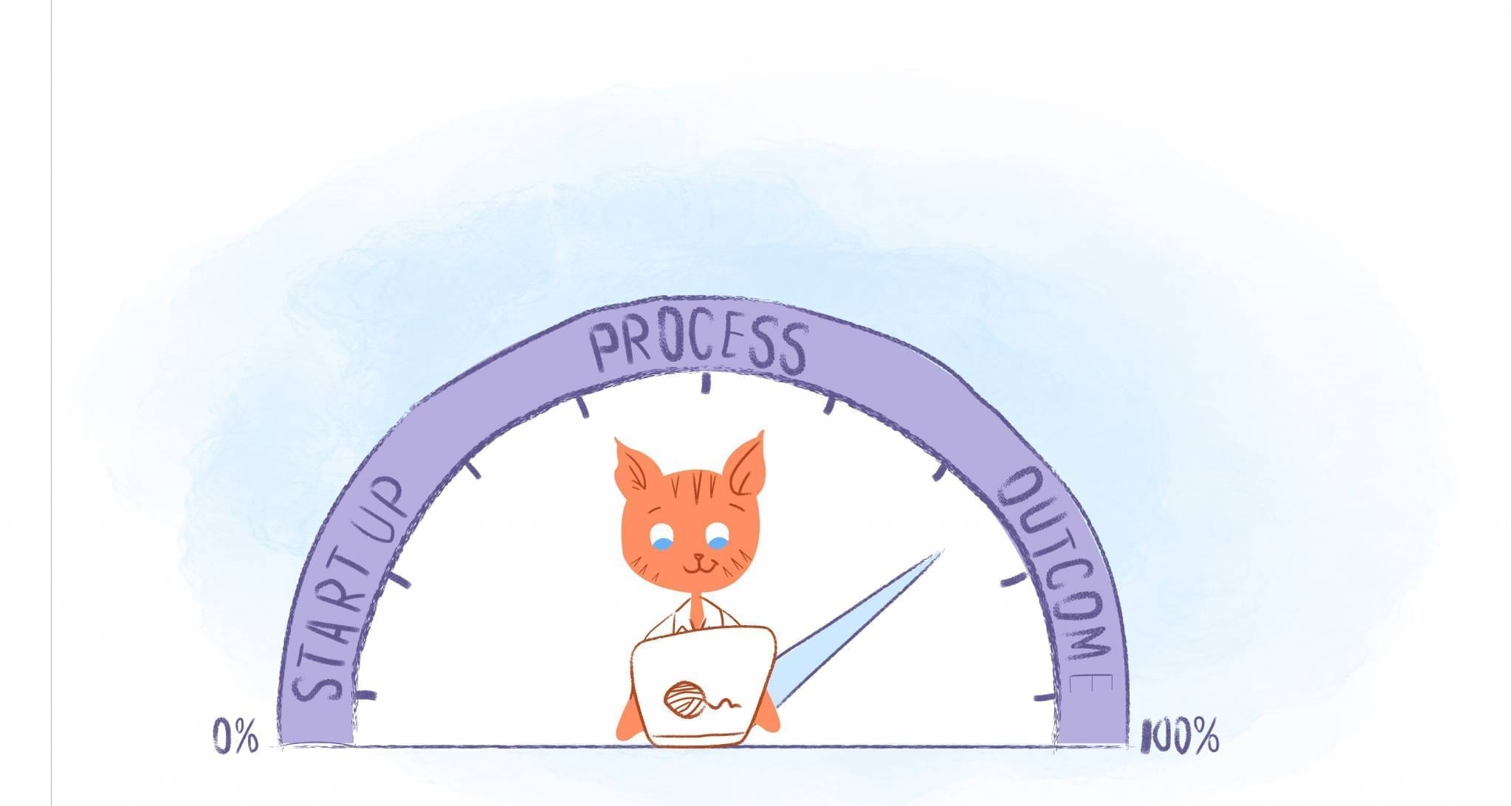
The modern knowledge worker is not battling a lack of willpower; they are battling a polluted environment. Every notification, every open tab, every background conversation is a tax on your cognitive bandwidth. The first habit of human optimization is not a technique but a decluttering of space. You cannot boost productivity by merely trying harder; you must design an ecosystem that makes focus the path of least resistance. This begins with the physical workspace. A desk cluttered with yesterday’s coffee cups and tomorrow’s memos signals to your brain that chaos is acceptable. The optimized habit here is the nightly reset. Spend exactly five minutes at the end of your day clearing your desk, writing a single Most Important Task (MIT) for tomorrow, and closing all browser windows. This ritual is not about cleanliness; it is about setting a psychological boundary. When you walk into that space in the morning, your brain sees a blank canvas, not a messy battlefield. The result is a reduction in the “start-up cost” of deep work, allowing you to dive into complex problems with a clarity that feels almost like a superpower.
The Metabolic Alchemy of Peak Performance
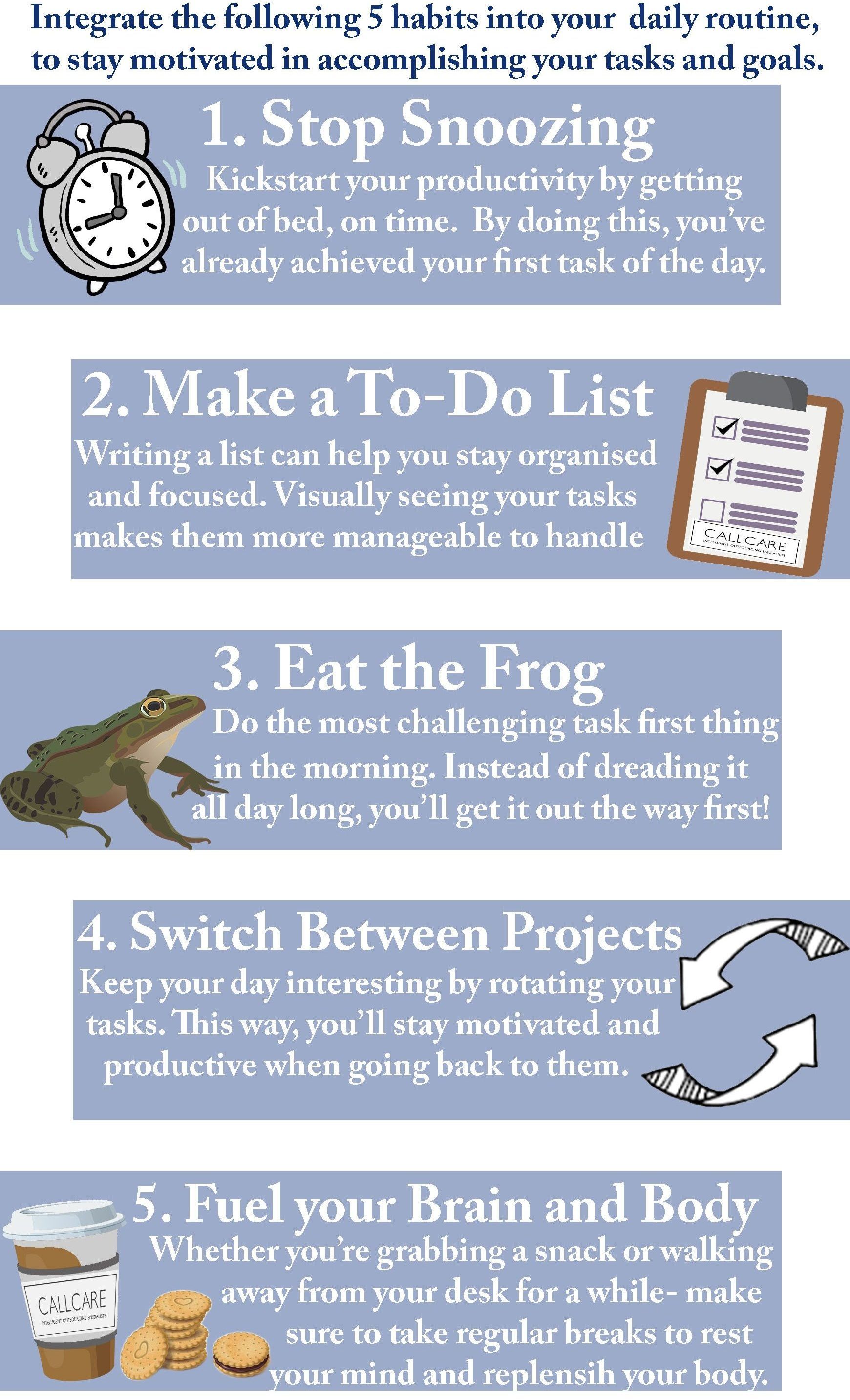
You cannot think your way to better thinking. The brain, while only two percent of your body mass, consumes twenty percent of your energy. Treating it like an infinite resource is the fastest route to cognitive gridlock. The second category of optimization habits revolves around the biology of output. This is not about fad diets; it is about strategic fueling. Consider the “glucose flicker.” A steady stream of simple carbohydrates creates energy spikes followed by devastating crashes, leaving your prefrontal cortex—the seat of your executive function—starved for fuel. The optimized habit is to re-engineer your first meal. A breakfast high in protein and healthy fats, such as eggs with avocado or a quality whey shake with nuts, provides a slow-release energy stream. Furthermore, the habit of “under-eating” before high-stakes intellectual work is counter-intuitive but powerful. A light lunch that prioritizes vegetables and lean protein prevents the post-prandial somnolence (the afternoon slump) that kills creativity. This metabolic discipline transforms you from a victim of your biology into its architect. Your output ceases to be a rollercoaster of mood and energy and becomes a steady, reliable current of high-quality thinking.
Strategic Disconnection: The Power of Negative Space
Paradoxically, one of the most potent productivity habits is the deliberate act of doing nothing. The modern ethos glorifies the grind, but the optimized human understands the physics of recovery. This is the “Pareto Principle” applied to rest: twenty percent of your downtime generates eighty percent of your cognitive resilience. This habit takes the form of “white space” in your calendar. Block out ninety minutes each day—no calls, no meetings, no screens. This is not a break; it is a period of incubation. During this time, the brain’s default mode network activates, making connections between disparate ideas that your conscious, analytical mind cannot. This is where “aha” moments are born. You might take a walk without your phone, sit on a bench and observe the world, or simply stare out a window. The internal resistance to “wasting time” is immense. You will feel guilty. This is the very sign that the practice is working. The habit is to embrace that discomfort. By creating negative space, you prevent burnout and, more importantly, you allow your accumulated data to coalesce into insight. The most productive people do not work more hours; they work higher-intensity hours, separated by periods of genuine psychological detachment.
The Algorithm of Iteration: Small Bets, Big Returns
Perfectionism is the enemy of productivity. The optimized human does not wait for the perfect plan; they build a rough scaffold and iterate. This is the “habit of the prototype.” In a software company, this is called the Minimum Viable Product. In your personal workflow, it is the draft. The habit here is to lower the barrier to entry for any creative or analytical task. Instead of aiming to write a perfect report, aim to write a terrible report—on purpose. The first version should be ugly, incomplete, and wrong. The act of creation becomes less intimidating. You are no longer paralyzed by the fear of failure because failure is the explicit goal of the first iteration. This shifts your cognitive load from “how do I make this perfect?” to “what is the next smallest step?” The power of this habit lies in the feedback loop. A flawed draft gives you data. A perfect plan is a fiction. By repeatedly producing rough, fast output, you generate real-world information that you can use to make better decisions. Over a week, this habit compounds. You produce ten times more rough work than the perfectionist, and because you have more data, your final product is usually ten times better. Speed is a feature. Iteration is the engine of excellence.
Contextual Switching: The Final Frontier of Discipline
The most overlooked habit is not about what you do, but about how you transition between what you do. The cost of task-switching is not linear; it is exponential. Every time you interrupt a deep work session to check an email or answer a Slack message, you incur a “context recovery” cost of fifteen to twenty minutes. The optimized habit is “batching” and “ritual gates.” Batch all of your low-attention tasks—email, administrative work, social media—into two specific blocks per day, never in between deep work sessions. The gate is a micro-ritual that signals a change in mode. When you finish a deep work block, close your laptop, stand up, stretch, and drink a glass of water. This physical act flags to your nervous system that the deep thinking phase is over. Then, when you sit back down for email, you are not dragging the ghost of your previous project with you. You are starting fresh. This discipline transforms your day from a chaotic scramble of half-finished thoughts into a series of discrete, complete actions. The narrative of your workday becomes coherent, not fragmented. And a coherent narrative produces a coherent output. That is the ultimate goal of optimization: not to do more, but to do what matters with such clarity and force that the output feels inevitable.
Leave a comment