


In an era where the boundaries between physical and digital realms blur with each passing day, the silent revolution of biometric technology has quietly infiltrated the sanctuaries of learning and the bustling hubs of labor. From the fingerprint scanners that greet employees at dawn to the facial recognition systems that track student attendance, biometrics has woven itself into the fabric of modern institutions. But with this technological embrace comes a profound ethical quandary: how do we balance the undeniable convenience and security of biometric data with the sacred principles of privacy and autonomy? The stakes are higher than ever, as the decisions we make today could redefine the very essence of trust in our digital age.
The promise of biometrics is tantalizing. Imagine a world where no one forgets their ID card, where access is granted not through a flimsy piece of plastic but through the unique contours of their iris or the rhythm of their gait. Schools could eliminate the chaos of lost lunch money, and workplaces could bid farewell to the endless cycle of forgotten passwords. Yet, beneath this veneer of efficiency lies a labyrinth of ethical dilemmas that demand our attention. What happens when the data that defines us—our fingerprints, our voice, our face—becomes a commodity? Who holds the keys to this vault of personal identity, and what safeguards exist to prevent its misuse? The answers to these questions could either propel us toward a future of unparalleled security or plunge us into a dystopian nightmare where our most intimate traits are exploited without consent.
The Allure and Ambiguity of Biometric Convenience
Biometric technology is the modern-day alchemist, transforming the intangible into the tangible. It offers a level of precision that traditional authentication methods simply cannot match. A fingerprint, once a mere whorl of skin, becomes a digital key. A voiceprint, once a fleeting sound, becomes an unforgeable signature. The allure is undeniable: no more fumbling for keys, no more resetting passwords, no more anxiety over lost credentials. In education, biometrics can streamline everything from cafeteria payments to library access, while in the workplace, it can revolutionize timekeeping and secure sensitive data.
Yet, this convenience comes at a cost. The very nature of biometric data makes it immutable. Unlike a password, which can be changed if compromised, your fingerprint or retinal scan is forever linked to you. This permanence introduces a chilling reality: once biometric data is breached, the damage is irrevocable. The ethical implications are staggering. Can we truly justify trading the irreplaceable for the expedient? The answer lies not in rejecting biometrics outright but in demanding rigorous safeguards that ensure its ethical deployment. Transparency, consent, and robust encryption must become the cornerstones of any system that seeks to harness the power of biometrics.
The Ethical Tightrope: Privacy vs. Security
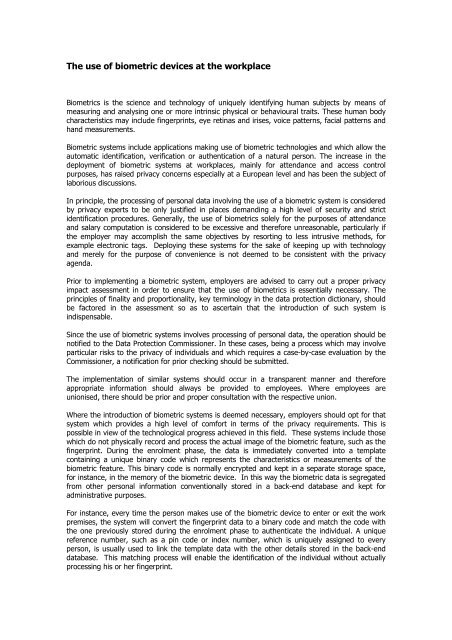
The tension between privacy and security is the fulcrum upon which the ethics of biometrics balance. On one side, we have the undeniable benefits of enhanced security—reduced identity theft, streamlined access, and a fortified defense against unauthorized entry. On the other, we face the specter of mass surveillance, data exploitation, and the erosion of personal autonomy. The question is not whether biometrics can enhance security, but whether we are willing to pay the price of our privacy for it.
Consider the classroom of the future, where facial recognition cameras monitor attendance and track student engagement. Proponents argue that this data can help educators tailor their teaching methods to individual needs, fostering a more personalized learning experience. Critics, however, warn of a slippery slope where such systems could be repurposed for disciplinary actions or even sold to third parties without consent. The same technology that promises to revolutionize education could just as easily become a tool of control, chilling free expression and stifling dissent under the guise of “safety.”
In the workplace, the stakes are equally high. Biometric time clocks can eliminate “buddy punching,” where employees clock in for absent colleagues, but they also create a digital trail of an individual’s every move. What happens when this data is used to monitor productivity in minute detail, turning employees into cogs in a machine rather than human beings with agency? The ethical line between optimization and exploitation is razor-thin, and crossing it could have devastating consequences for workplace culture and morale.
The Shadow of Misuse: Who Controls the Data?
The most chilling aspect of biometric data is its potential for misuse. Unlike traditional data, biometrics cannot be anonymized. Once collected, it becomes a permanent record of an individual’s identity, ripe for exploitation by governments, corporations, or malicious actors. The Cambridge Analytica scandal was a stark reminder of how data can be weaponized to manipulate behavior on a massive scale. Now, imagine the same power wielded with biometric precision—where every facial recognition scan, every voiceprint, every gait analysis becomes a tool for surveillance and control.
Who, then, should have access to this data? The answer is not as straightforward as it seems. Schools and employers may argue that they need biometric data to function efficiently, but who ensures that this data is not shared with advertisers, law enforcement, or foreign entities? The lack of clear regulations in many jurisdictions exacerbates the problem. Without stringent legal frameworks, biometric data could become a commodity, traded like oil or gold, with individuals having little to no say in its use. The ethical imperative is clear: we must demand that biometric data be treated as a fundamental human right, not a corporate asset.
Consent and Autonomy: The Forgotten Pillars of Ethical Biometrics
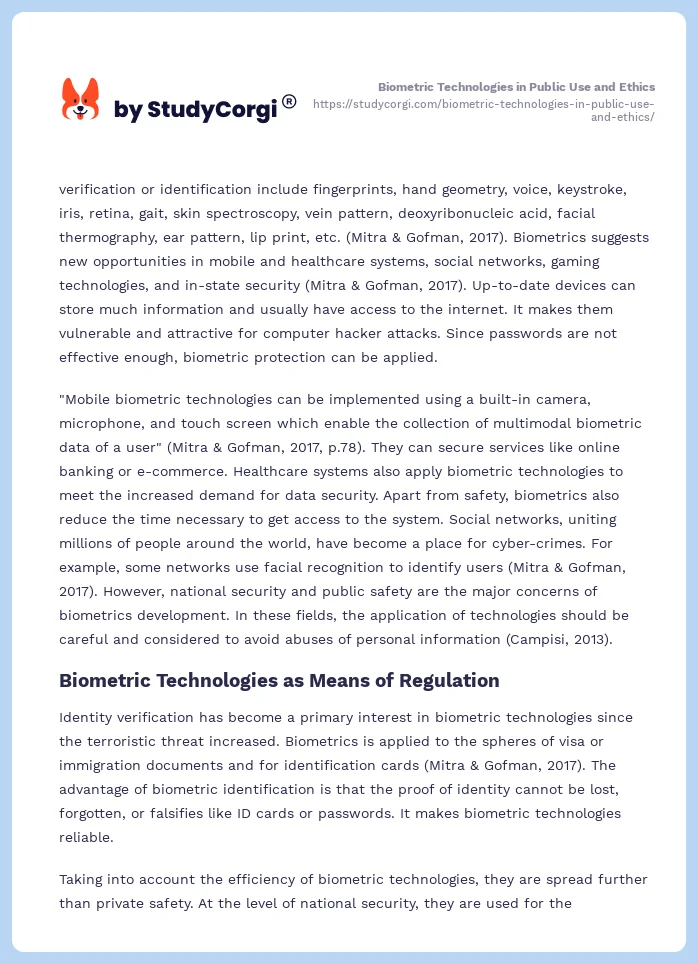
At the heart of the biometric debate lies the issue of consent. Can true consent ever be given when the alternative is exclusion? If a school or workplace mandates biometric authentication, is there really a choice, or is it a veiled ultimatum? The principle of informed consent, a cornerstone of ethical research and medical practice, must extend to biometric data collection. Individuals must be fully aware of what data is being collected, how it will be used, and who will have access to it. Moreover, they must retain the right to opt out without facing punitive measures.
Autonomy is equally critical. The use of biometrics should never strip individuals of their ability to control their own identity. This means rejecting systems that track individuals without their knowledge or consent, such as covert facial recognition in public spaces. It also means ensuring that biometric data is used solely for its intended purpose and not repurposed for unrelated functions. The ethical use of biometrics requires a paradigm shift—a move away from surveillance capitalism and toward a model where technology serves humanity, not the other way around.
The Future of Biometrics: A Call to Ethical Action
The future of biometrics is not predetermined. It is a canvas upon which we, as a society, must paint our values, our principles, and our boundaries. The technology itself is neither good nor evil; it is a tool, and like any tool, its impact depends on how we wield it. The path forward requires a multi-faceted approach: robust legislation that protects biometric data as a fundamental right, transparent policies that prioritize consent and autonomy, and a cultural shift that values privacy as much as convenience.
Educational institutions and workplaces must lead by example, adopting biometric systems only after rigorous ethical review and public consultation. They must commit to regular audits of their data practices, ensuring that biometric information is stored securely and used responsibly. Governments, too, have a critical role to play. Laws like the European Union’s General Data Protection Regulation (GDPR) offer a blueprint for protecting biometric data, but they must be strengthened and universally adopted. Without such safeguards, the promise of biometrics will remain a Faustian bargain—one where we trade our humanity for the illusion of security.
The ethical use of biometric data is not a distant ideal; it is an urgent necessity. As we stand on the precipice of a biometric revolution, we must ask ourselves: What kind of world do we want to live in? A world where our identities are commodified, where our every move is tracked, and where our autonomy is sacrificed on the altar of convenience? Or a world where technology enhances our lives without eroding our rights, where security and privacy coexist in harmony, and where the promise of biometrics is realized without the peril?
The choice is ours. The time to act is now.
Leave a comment