


Ever wondered how your Learning Management System (LMS) could read between the lines of student feedback, detect frustration before it boils over, or even predict which learners might be on the verge of disengagement? What if your LMS could transform raw, unstructured text—like discussion posts, assignment comments, or even casual chatter in forums—into actionable insights that elevate the learning experience? Welcome to the world of Sentiment AI tools, where algorithms don’t just crunch numbers—they decode emotions, intentions, and the subtle whispers of learner sentiment that traditional analytics often miss.
But here’s the twist: not all sentiment analysis tools are created equal. Some stumble over sarcasm. Others drown in jargon. A few require so much setup, they feel like assembling a spaceship just to send an email. And then there’s the eternal struggle—balancing accuracy with real-time responsiveness. So, which tools rise above the noise? Which ones seamlessly integrate with your Canvas, Blackboard, or Moodle without turning your IT team into a debugging circus? Let’s dive into the top five sentiment AI tools that are reshaping how educators listen, learn, and lead.
Why Sentiment AI Matters in Modern Learning Ecosystems
Imagine walking into a classroom where every student’s unspoken emotions are visible—not through mind-reading, but through the silent signals embedded in their digital footprints. Sentiment AI does exactly that. It transforms text into emotional cartography, revealing whether learners feel empowered, overwhelmed, or utterly indifferent—often before they even realize it themselves.
In an LMS, sentiment analysis isn’t just about flagging negativity. It’s about uncovering micro-moments of disengagement—a student who types “I give up” in a forum post, a learner whose tone shifts from curiosity to confusion in discussion replies, or a cohort whose collective sentiment dips after a particularly dense module. These tools don’t just report data; they narrate the emotional arc of your course, helping instructors intervene before frustration festers into dropout.
For institutions juggling Canvas, Blackboard, and Moodle, the stakes are high. A single tool that works across platforms eliminates silos, ensuring consistency in how learner emotions are interpreted—whether in a flipped classroom on Canvas or a hybrid Blackboard course. The result? A more responsive, empathetic learning environment where technology doesn’t just teach—it understands.
The Hidden Pitfalls: When Sentiment AI Gets It Wrong
Before we crown our champions, let’s acknowledge the elephant in the room: sentiment analysis is notoriously tricky. It’s the digital equivalent of trying to read Shakespeare while wearing noise-canceling headphones that only play static. Consider these common stumbling blocks:
- Sarcasm Sabotage: “Oh great, another 50-page reading assignment.” A human would laugh; an AI might classify this as positive sentiment.
- Cultural Nuance Collapse: A phrase like “This is sick!” means wildly different things in different contexts. AI models trained on generic datasets often miss these cultural landmines.
- Jargon Jungle: Academic language, discipline-specific slang, or even emoji-heavy Gen Z communication can trip up even the most advanced models.
- Real-Time Rigidity: Some tools process sentiment in batches, meaning a student’s frustration might go unnoticed until it’s too late to intervene.
These challenges aren’t dealbreakers—they’re design opportunities. The best sentiment AI tools don’t just analyze; they adapt, learn, and evolve alongside your learners. Now, let’s meet the tools that are turning these pitfalls into stepping stones.
Top 5 Sentiment AI Tools for Canvas, Blackboard, and Moodle
1. Lexalytics (Now Part of InMoment)
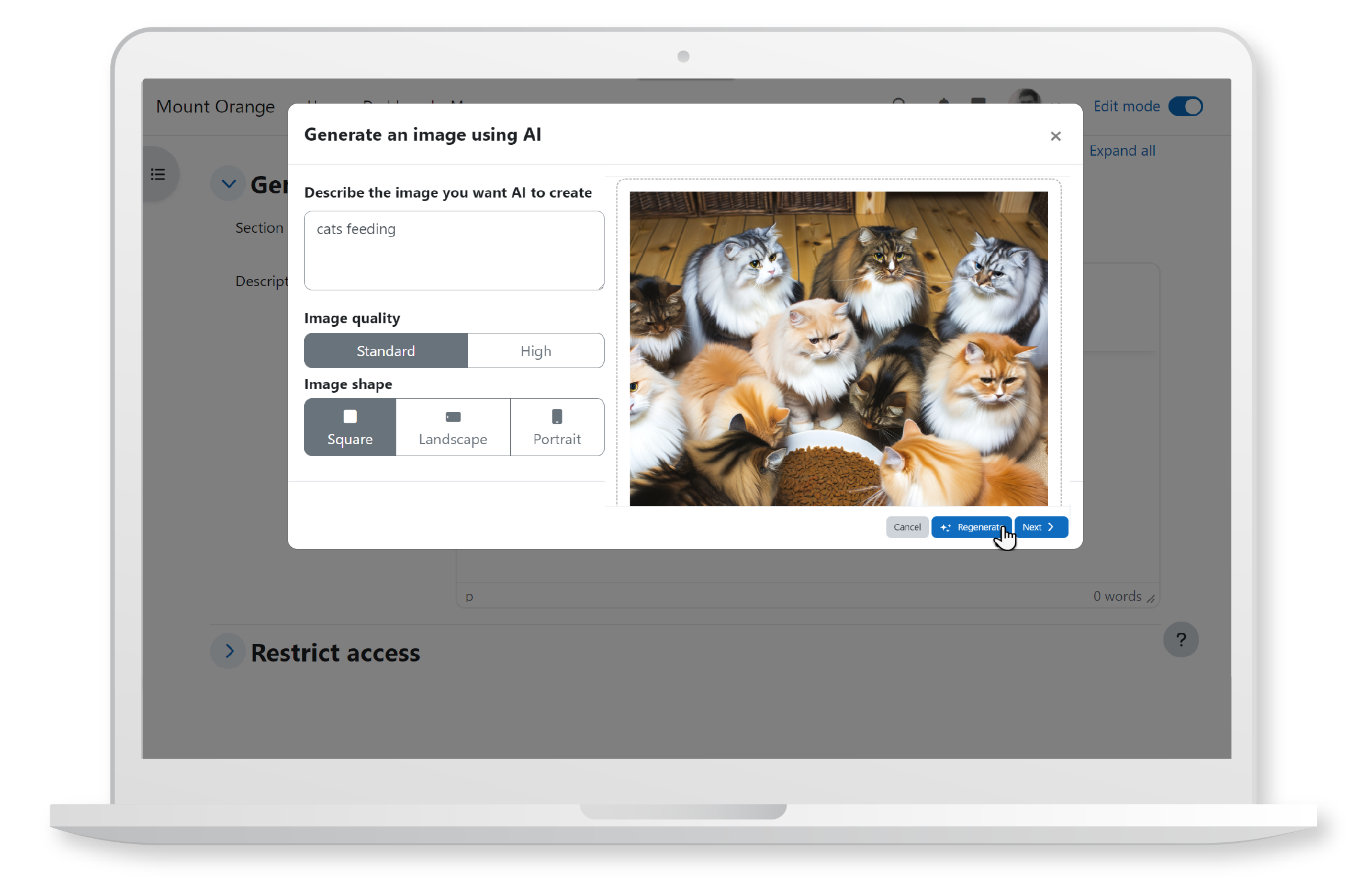
Lexalytics isn’t just another sentiment analyzer—it’s a linguistic powerhouse that dissects text with the precision of a surgeon. Built for scalability, it handles everything from short forum posts to lengthy reflective essays, identifying not just sentiment polarity (positive/negative/neutral) but also emotional granularity—joy, anticipation, trust, even disgust. What sets it apart is its contextual intelligence; it understands that “This course is a nightmare” in a student’s feedback isn’t just negative—it’s a cry for help.
For LMS integration, Lexalytics offers APIs that plug seamlessly into Canvas, Blackboard, and Moodle, with plugins that auto-scan discussion boards, assignment comments, and even live chat transcripts. The dashboard visualizes sentiment trends over time, allowing instructors to spot emotional dips in real time. Pro tip: Pair it with Lexalytics’ entity-level sentiment analysis to track how learners feel about specific course elements—like a particular quiz or instructor feedback style.
2. MonkeyLearn
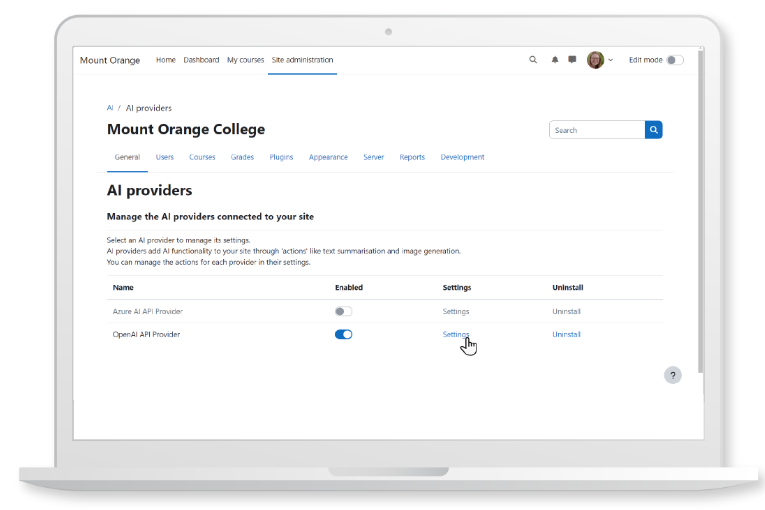
MonkeyLearn turns sentiment analysis into a DIY playground for educators. Unlike rigid, out-of-the-box solutions, it lets you train custom models on your institution’s specific jargon, slang, and academic tone. Imagine feeding it a semester’s worth of discussion posts, then fine-tuning it to recognize phrases like “I’m lost in the sauce” (a Blackboard classic for confusion) or “This module is fire” (Canvas Gen Z for excellence).
The tool’s real magic lies in its workflow automation. Set up triggers to alert instructors when sentiment scores drop below a threshold, or route high-engagement posts to teaching assistants for further review. MonkeyLearn also excels in multilingual support, making it ideal for global classrooms where learners switch between languages mid-sentence. Integration is a breeze with pre-built connectors for major LMS platforms, though some setup is required to tailor the models to your needs.
3. IBM Watson Tone Analyzer

IBM Watson isn’t just a tool—it’s a cognitive companion for educators. The Tone Analyzer dives deeper than surface-level sentiment, detecting five key emotional tones (joy, fear, sadness, disgust, anger) and three language styles (analytical, confident, tentative). For instructors drowning in a sea of discussion posts, Watson’s batch processing feature is a lifesaver, churning through hundreds of submissions in minutes to flag learners who might need support.
Where Watson truly shines is in its integration flexibility. It works natively with Canvas via the IBM Watson API, and with Blackboard/Moodle through third-party plugins or custom scripts. The tool’s strength lies in its ability to handle unstructured data—think messy, unfiltered student reflections or emotionally charged emails. The downside? Watson’s pricing can be steep for smaller institutions, and its advanced features require a learning curve. But for those willing to invest, it offers unparalleled depth in emotional intelligence.
4. MeaningCloud
MeaningCloud is the Swiss Army knife of sentiment analysis, packing a punch with features like irony detection, domain-specific models, and real-time analytics. Unlike generic tools that treat all text the same, MeaningCloud’s educational models are pre-trained on academic language, making it adept at spotting nuanced emotions in student writing—whether it’s a Blackboard discussion reply or a Moodle assignment submission.
The tool’s customizable dashboards let instructors visualize sentiment trends by course, instructor, or even individual learner. Want to see how sentiment shifts after a major assignment? MeaningCloud’s time-series analysis makes it effortless. Integration is straightforward via APIs or plugins, and the platform supports multiple languages, making it a strong contender for international programs. A standout feature is its aspect-based sentiment analysis, which identifies not just how learners feel, but why—whether it’s the course content, instructor feedback, or platform usability.
5. TextRazor
TextRazor is the ninja of natural language processing, slicing through text with surgical precision to extract sentiment, entities, and even relationships between concepts. What makes it unique is its semantic enrichment—it doesn’t just analyze words; it understands their meaning in context. For example, it can distinguish between “This assignment is a beast” (negative) and “This assignment is a beast!” (positive, with emphasis).
The tool’s real-time processing is lightning-fast, making it ideal for live discussions or synchronous learning environments. TextRazor integrates seamlessly with Canvas and Blackboard via APIs, and while Moodle requires a bit more setup, the results are worth it. The platform’s custom entity recognition lets you track sentiment around specific course elements—like a particular video lecture or quiz—helping instructors pinpoint exactly what’s resonating (or not) with learners. The only caveat? TextRazor’s free tier is limited, and advanced features come with a price tag.
Choosing the Right Tool: A Decision Framework
With so many options, how do you pick the perfect sentiment AI tool for your LMS? Start by asking:
- What’s your budget? Free tiers (like MonkeyLearn’s) are great for testing, but enterprise tools (like IBM Watson) offer deeper insights at a cost.
- How complex is your text? If your students use heavy jargon or sarcasm, tools like Lexalytics or TextRazor with contextual intelligence will serve you better.
- Do you need real-time insights? For live discussions, prioritize tools with low-latency processing (TextRazor, MeaningCloud).
- Is multilingual support a must? MonkeyLearn and MeaningCloud excel here, while others may require additional customization.
- How much setup can you handle? Plug-and-play solutions (MonkeyLearn) are easier, but custom models (Lexalytics) offer more control.
Pro tip: Run a pilot with one tool on a single course. Compare its insights against instructor observations—you might be surprised by how accurately (or inaccurately) it captures the emotional pulse of your classroom.
Beyond the Tool: Building an Emotionally Intelligent LMS
Sentiment AI tools are powerful, but they’re not magic wands. To truly transform your LMS into an emotionally intelligent ecosystem, pair these tools with proactive strategies:
- Sentiment-Driven Interventions: Use low sentiment scores as triggers for personalized outreach—like a quick check-in email or a peer mentoring session.
- Instructor Training: Teach faculty how to interpret sentiment reports without overreacting to isolated negative comments.
- Learner Autonomy: Share aggregated sentiment trends with students (anonymized) to foster a culture of transparency and shared responsibility.
- Continuous Refinement: Regularly update your AI models with new data to adapt to evolving student language and cultural shifts.
The goal isn’t to replace human judgment—it’s to augment it. Sentiment AI doesn’t replace the art of teaching; it amplifies the science behind it, giving educators the superpower to listen, adapt, and inspire in ways previously unimaginable.
So, the next time a student’s feedback leaves you wondering, “What are they *really* trying to say?”—remember: the answer might already be hiding in plain sight, waiting for the right tool to decode it. The future of learning isn’t just digital; it’s emotionally intelligent. And with the right sentiment AI tool, your LMS might just become the most empathetic teacher in the room.
Leave a comment