


In the vast digital savannah where opinions bloom like wildflowers after a spring rain, researchers armed with nothing but curiosity and a laptop can now harvest insights that once required entire teams of linguists and statisticians. Sentiment analysis, the alchemy of turning words into measurable emotions, has become the compass guiding educators through the cacophony of student feedback, parent surveys, and online discourse. For the intrepid educational researcher, Python offers not just a toolkit but a treasure map—one that leads to understanding the unspoken sentiments lurking beneath the surface of every comment, review, and forum post. Imagine wielding a scalpel of code to dissect the emotional DNA of a thousand voices, all while sipping coffee in your pajamas. This is the promise of DIY sentiment analysis, and it’s as exhilarating as it is transformative.
The journey begins with a simple truth: words are not mere strings of characters but vessels of emotion, carriers of joy, frustration, hope, and despair. When a student writes, “This course changed my life,” the sentiment is as clear as a bell. But when they mutter, “The assignments were… fine,” the sentiment is a riddle wrapped in a mystery. Sentiment analysis decodes these riddles, transforming vague murmurs into quantifiable data. For educational researchers, this isn’t just about counting positive or negative words—it’s about uncovering the hidden narratives that shape learning experiences. Whether you’re evaluating a new curriculum, gauging student engagement, or tracking the emotional pulse of a school community, Python’s sentiment analysis tools are your backstage pass to the emotional theater of education.
The Alchemy of Text: Turning Words into Emotional Gold
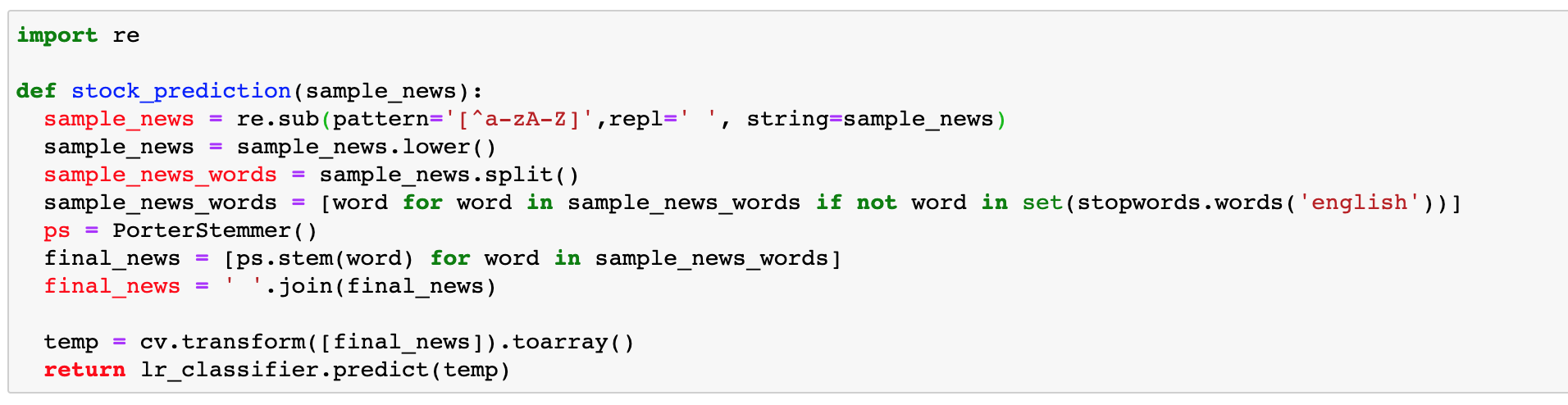
At its core, sentiment analysis is the art of distilling raw text into emotional essence. Think of it as a linguistic alchemist’s workshop, where words are the base metals and emotions are the philosopher’s stone. Python, with its vast ecosystem of libraries, provides the crucibles and retorts needed to perform this transmutation. The TextBlob library, for instance, is like a seasoned alchemist—easy to use, yet powerful enough to handle most tasks. With a few lines of code, it can parse a paragraph and spit out a sentiment score, ranging from -1 (pure despair) to +1 (unbridled euphoria). But alchemy isn’t just about quick results; it’s about precision. For deeper dives, libraries like VADER (Valence Aware Dictionary and sEntiment Reasoner) step in, designed to capture the nuances of social media slang, emojis, and even sarcasm—a critical skill when analyzing student tweets or parent Facebook groups.
Yet, the real magic happens when you combine these tools with machine learning. Enter scikit-learn and NLTK, the modern-day sorcerers of natural language processing. By training a model on labeled datasets—where texts are pre-marked as positive, negative, or neutral—you can create a custom sentiment analyzer tailored to the unique linguistic landscape of education. Imagine feeding your model thousands of student evaluations, each tagged with the emotional fingerprint of its author. Over time, the model learns to recognize patterns invisible to the naked eye: the subtle sigh in a sentence like “The workload was… manageable.” (Spoiler: It’s not.) This is where sentiment analysis transcends mere counting and becomes a form of emotional archaeology, excavating layers of meaning buried beneath the surface of language.
The Data Mine: Unearthing Insights from the Digital Quarry
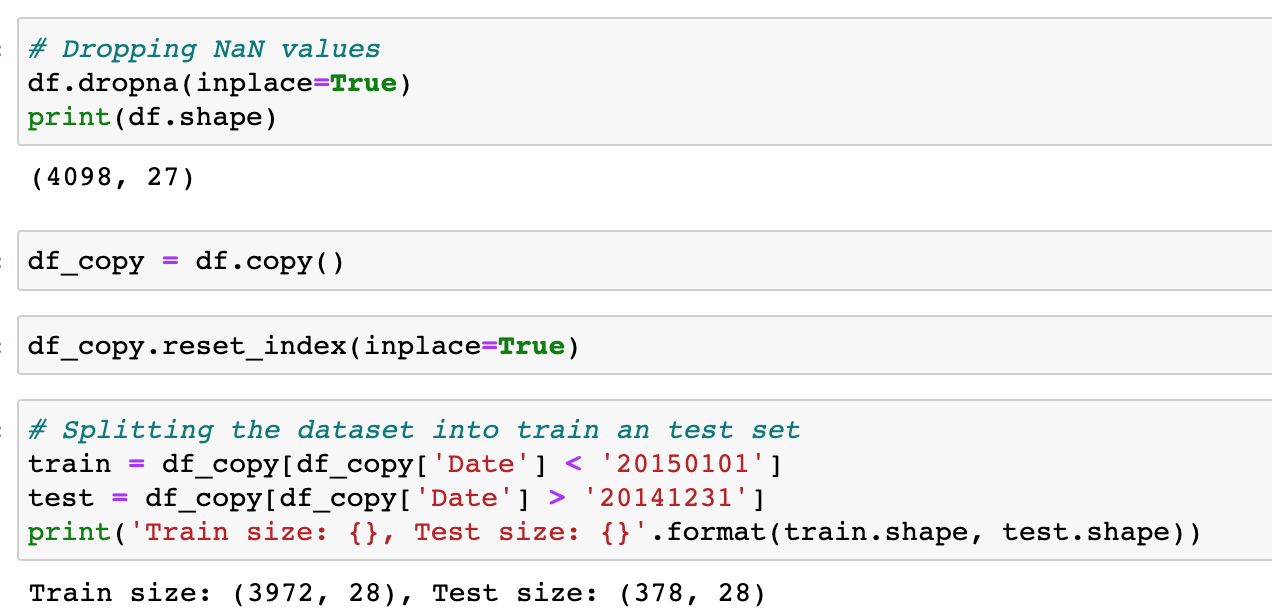
Every dataset is a mine, and sentiment analysis is your pickaxe. But not all mines are created equal. The raw material—student feedback forms, course evaluations, online reviews—must be extracted with care. Start by scraping data from platforms like RateMyProfessors, Trustpilot, or even your institution’s internal survey system. Python’s BeautifulSoup and requests libraries are your digital dynamite, allowing you to blast through HTML walls and extract the nuggets of text hidden within. Once collected, the data must be cleaned—a process as meticulous as panning for gold. Remove stopwords (the linguistic equivalent of silt), correct typos, and standardize slang (because “meh” and “kinda meh” are not the same emotional currency).
Visualization is the final polish on your data gem. A matplotlib or seaborn plot can reveal trends that numbers alone cannot. Picture a heatmap where each cell represents the sentiment score of a course evaluation, with colors shifting from icy blues (negative) to fiery reds (positive). Or a time-series graph tracking the emotional trajectory of a cohort as they progress through a semester—sudden dips might correlate with midterm season, while peaks could signal a particularly inspiring lecture. These visualizations are not just pretty pictures; they are the Rosetta Stones of educational sentiment, translating raw data into actionable intelligence. With these insights, educators can pivot strategies, address pain points, and amplify what’s working—all before a single student raises their hand in protest.
The Ethical Compass: Navigating the Moral Labyrinth of Sentiment Analysis
With great power comes great responsibility, and sentiment analysis is no exception. The ethical minefield of this practice is vast and treacherous. Consider the student who writes, “I hated this class.” A sentiment analyzer might flag this as negative, but what if the student is expressing frustration not with the content but with external factors—a family crisis, a health issue, or a personal struggle? Sentiment analysis lacks the nuance to distinguish between a genuine critique and a cry for help. Researchers must tread carefully, ensuring that their analyses do not inadvertently stigmatize or misinterpret vulnerable voices.
Privacy is another critical concern. When scraping data from public forums or internal surveys, researchers must anonymize responses to protect identities. Even seemingly innocuous details—like the timing of a post or the specific phrasing of a complaint—can reveal more than intended. Transparency is key: inform participants that their words are being analyzed, and provide opt-out mechanisms. The goal is not to surveil but to understand, and ethical sentiment analysis is built on trust, not intrusion. Additionally, bias in training data can skew results. If your model is trained predominantly on reviews from one demographic, it may fail to recognize the linguistic quirks of another. Diversity in datasets is not just a best practice; it’s a moral imperative.
Beyond the Binary: The Spectrum of Sentiment
Sentiment analysis is often framed as a binary game—positive or negative—but the reality is far more nuanced. Emotions exist on a spectrum, and a single sentence can carry multiple layers of meaning. A student might write, “The professor is knowledgeable, but the exams are brutal.” Here, sentiment is a chiaroscuro painting, blending admiration with frustration. Advanced techniques like aspect-based sentiment analysis allow researchers to dissect such sentences, identifying the sentiment tied to specific elements (e.g., the professor’s expertise vs. the exam difficulty). Libraries like spaCy can parse sentences into subject-verb-object structures, enabling you to pinpoint exactly which parts of a text evoke emotion.
Emojis, those modern hieroglyphs of the digital age, add another layer of complexity. A simple can soften a harsh critique, while a can turn a neutral statement into a scathing indictment. VADER is particularly adept at interpreting emojis, but for deeper analysis, consider training a model on emoji-sentiment pairs. The result? A sentiment score that reflects not just the words but the emotional subtext of the digital conversation. This is where sentiment analysis becomes less like a calculator and more like a literary critic, parsing the emotional subtext of every message.
The Ripple Effect: How Sentiment Shapes Educational Ecosystems
The insights gleaned from sentiment analysis are not mere academic curiosities; they are the seeds of change. Imagine a university using sentiment analysis to track the emotional health of its student body in real-time. A sudden spike in negative sentiment around midterms could trigger proactive interventions—extra tutoring sessions, mental health resources, or even adjustments to the curriculum. In K-12 settings, sentiment analysis can reveal the emotional toll of standardized testing or the uplifting impact of a particularly engaging teacher. The data becomes a feedback loop, a mirror held up to the educational system, reflecting its strengths and weaknesses in real-time.
But the ripple effect extends beyond individual institutions. Aggregated and anonymized, sentiment data can inform policy at a systemic level. Education departments might use it to identify trends in student well-being, while ed-tech companies could refine their products based on emotional feedback. Even parents and students benefit, gaining a voice in the conversation about what works and what doesn’t. Sentiment analysis democratizes the feedback process, giving everyone—from the classroom to the boardroom—a seat at the table.
The Future: Where Sentiment Analysis Meets Artificial Empathy
The frontier of sentiment analysis is not just about refining algorithms; it’s about bridging the gap between data and humanity. Emerging technologies like transformer models (e.g., BERT, RoBERTa) are pushing the boundaries of what’s possible, enabling sentiment analysis to capture context, sarcasm, and even cultural nuances with unprecedented accuracy. These models can distinguish between a sarcastic “Great, another group project.” and a sincere “Great, another group project!”—a feat that once seemed like science fiction.
Looking ahead, the integration of sentiment analysis with other data streams—attendance records, grades, extracurricular participation—could paint a holistic picture of student well-being. Imagine an early warning system that flags not just academic struggles but emotional ones, allowing educators to intervene before a student slips through the cracks. The future of sentiment analysis in education is not just about understanding emotions; it’s about anticipating them, responding to them, and ultimately, shaping a more empathetic and responsive educational landscape.
As the sun sets on this exploration, one truth remains: sentiment analysis is more than a tool—it’s a revolution. It transforms the intangible into the measurable, the subjective into the objective, and the chaotic into the comprehensible. For educational researchers, it’s a lantern in the dark, a way to illuminate the hidden contours of the human experience within the classroom. So grab your Python scripts, fire up your Jupyter notebook, and prepare to embark on a journey where every word is a clue, every sentence a story, and every sentiment a revelation. The digital gold rush of education awaits—and you’re holding the pickaxe.
Leave a comment