


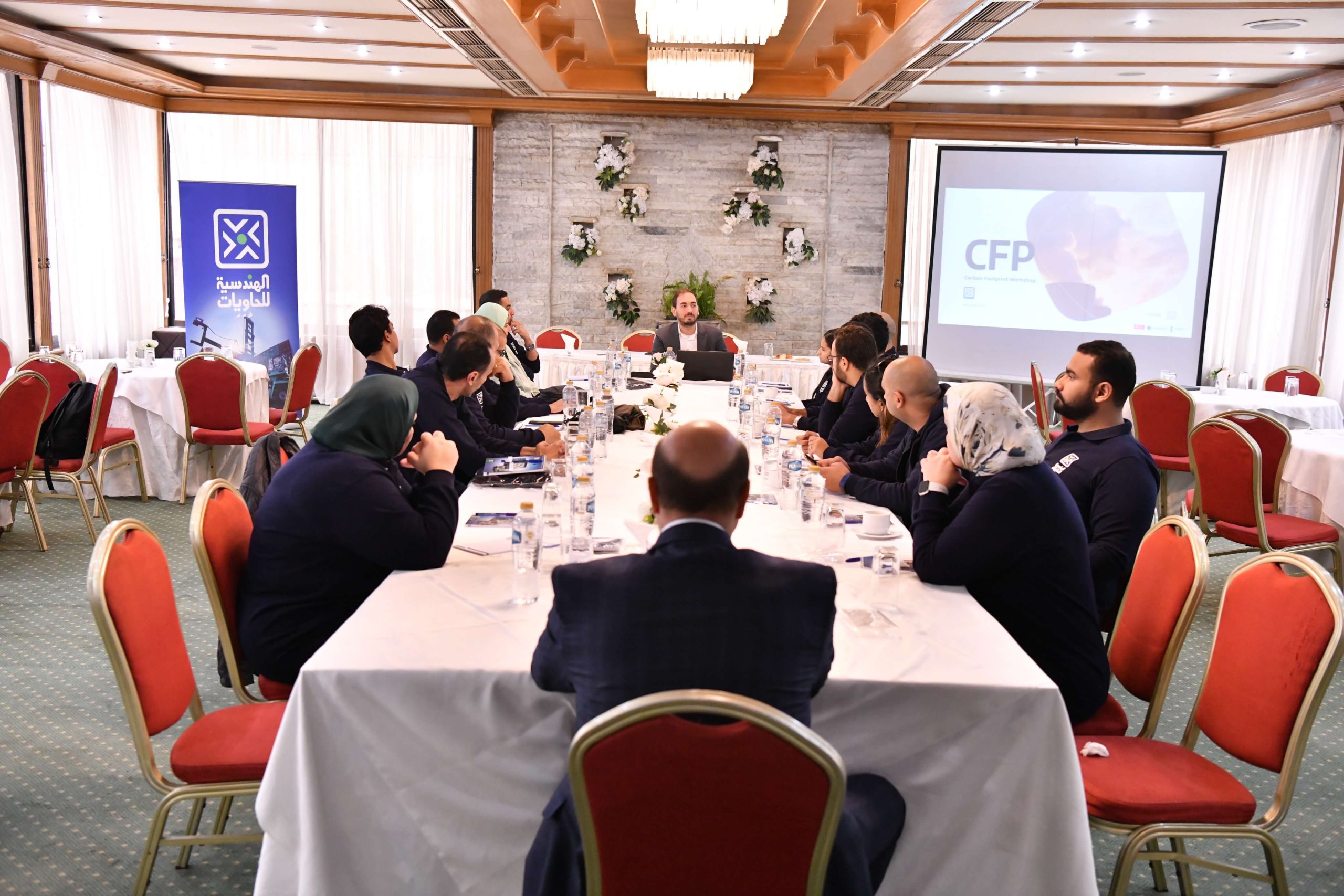
Embarking on the journey to measure your personal carbon footprint is akin to stepping into a vast, uncharted wilderness—one where every action, no matter how small, leaves an indelible mark. The workshop designed to guide you through this process is not merely an educational endeavor; it’s a transformative experience that equips you with the tools to decode the hidden emissions woven into the fabric of your daily life. Whether you’re a seasoned eco-warrior or a curious newcomer, this workshop offers a kaleidoscope of content tailored to illuminate the path toward sustainability. Let’s explore the diverse types of materials and activities you can expect, each crafted to deepen your understanding and ignite your commitment to change.
The Foundational Primer: Understanding Carbon Footprints
Before diving into calculations, it’s essential to grasp the bedrock concepts that underpin carbon footprints. This segment demystifies the jargon, transforming abstract terms like “carbon sequestration” and “Scope 3 emissions” into tangible, relatable ideas. Imagine carbon footprints as invisible constellations—each star representing a different aspect of your life, from the food you eat to the way you commute. The workshop begins by mapping these constellations, helping you visualize how your choices ripple through the atmosphere. Through interactive diagrams and real-world analogies, you’ll uncover the surprising truth that even the most mundane activities, like streaming a movie or charging your phone, contribute to your footprint. This foundational knowledge sets the stage for a deeper exploration, ensuring that every subsequent step is grounded in clarity and purpose.
Interactive Calculators: Your Personal Emissions Lab
The heart of the workshop lies in its interactive carbon footprint calculators—digital tools that transform raw data into actionable insights. These calculators are not one-size-fits-all; they adapt to your unique lifestyle, prompting you to input details about your energy consumption, transportation habits, diet, and even your shopping patterns. As you navigate through the questions, the tool generates a personalized emissions profile, complete with a breakdown of your largest contributors. But the magic doesn’t stop there. The workshop includes a guided tour of these calculators, teaching you how to interpret the results and identify the “low-hanging fruit”—those areas where small changes can yield significant reductions. You’ll leave this session not just with numbers on a screen, but with a roadmap for tangible action.

Case Studies: The Human Stories Behind the Numbers
Theory is powerful, but stories are transformative. This segment brings the concept of carbon footprints to life through vivid case studies of individuals and families who have taken the leap into sustainable living. From a single parent in a bustling city to a retired couple in the countryside, these narratives highlight the challenges, triumphs, and unexpected joys of reducing one’s environmental impact. You’ll hear about the family that slashed their emissions by 40% by adopting a plant-based diet, or the young professional who cut their commute emissions in half by switching to public transport. These stories do more than inspire—they provide a blueprint for overcoming common obstacles, whether it’s navigating social pressures or finding affordable eco-friendly alternatives. By seeing the real-world applications of carbon footprint measurement, you’ll gain the confidence to apply these lessons to your own life.
Worksheets and Templates: Your Toolkit for Tracking Progress
Measurement is only meaningful if it’s paired with consistent tracking, and the workshop equips you with a suite of worksheets and templates designed to streamline this process. These resources range from simple checklists for monitoring energy usage to detailed spreadsheets that track your carbon savings over time. One standout tool is the “30-Day Emissions Journal,” a template that prompts you to log your daily activities and their associated emissions. Over the course of a month, you’ll begin to notice patterns and opportunities for improvement that might have otherwise gone unnoticed. The workshop also includes a “Quick-Start Guide” for those eager to dive in immediately, offering a simplified version of the full tracking system. With these tools in hand, you’ll transform the abstract goal of “reducing your footprint” into a concrete, measurable journey.
Group Activities: Collaborative Learning and Accountability
Sustainability is not a solitary pursuit—it thrives in communities. The workshop’s group activities foster collaboration, turning individual efforts into collective momentum. One popular exercise is the “Carbon Footprint Swap,” where participants pair up to compare their emissions profiles and brainstorm strategies for mutual improvement. Another dynamic activity is the “Eco-Challenge Relay,” a timed competition where teams race to identify the most impactful changes they can make in their daily lives. These activities are designed to spark conversation, challenge assumptions, and build a support network of like-minded individuals. By engaging with others, you’ll discover that the path to sustainability is not just about personal sacrifice—it’s about shared innovation and collective action.
Multimedia Resources: Visualizing the Invisible
For those who learn best through visual and auditory experiences, the workshop offers a curated selection of multimedia resources. Short documentaries like “The Hidden Life of a Plastic Bottle” trace the lifecycle of everyday items, revealing the carbon footprint embedded in their production and disposal. Animated infographics break down complex data into digestible, eye-catching visuals, while podcast interviews with sustainability experts provide deeper dives into specific topics, from renewable energy to ethical fashion. These resources cater to different learning styles, ensuring that no matter how you absorb information, you’ll leave with a richer understanding of your carbon footprint. The multimedia library is also a treasure trove for those who wish to revisit key concepts or share insights with friends and family.

Actionable Takeaways: From Insight to Impact
The workshop culminates in a session dedicated to turning insights into action. Here, you’ll distill the knowledge and tools you’ve gathered into a personalized “Carbon Reduction Plan”—a step-by-step guide tailored to your lifestyle and goals. This plan might include commitments like switching to a green energy provider, reducing meat consumption, or opting for secondhand goods. The session also addresses the psychological barriers to change, offering strategies to overcome procrastination and maintain motivation. You’ll leave with a clear timeline, milestones, and even a “buddy system” to keep you accountable. The goal is not perfection, but progress—a series of small, sustainable steps that add up to a significant reduction in your carbon footprint over time.
Measuring your personal carbon footprint is more than an exercise in data collection; it’s an invitation to reimagine your relationship with the planet. The workshop serves as a compass, guiding you through the complexities of emissions tracking while empowering you to make informed, impactful choices. Whether you’re drawn to the interactive calculators, the human stories, or the collaborative activities, each element is designed to deepen your connection to sustainability. As you close this chapter, remember that the journey doesn’t end here. The tools and insights you’ve gained are the seeds of a lifelong commitment—one that grows with every conscious decision, every shared conversation, and every small step toward a greener future.
Leave a comment