


Imagine waking up to the sound of birds chirping, not the ping of a notification. You sip your coffee in peace, not scrolling through a feed of curated perfection. Sounds dreamy, right? Yet, for many of us, technology has become a constant companion — sometimes a comforting one, other times a demanding one. So, how do we shift from feeling tethered to our devices to feeling truly in control? Let’s explore how to build a healthy relationship with technology, one mindful step at a time.
Why Do We Feel So Attached to Our Devices?
Technology wasn’t designed to be addictive, but its creators have mastered the art of keeping us hooked. Social media platforms use algorithms that prioritize engagement over well-being. Notifications are engineered to trigger dopamine hits, making us crave the next like or comment. Even email and messaging apps are designed to feel urgent, even when they’re not.
This constant pull doesn’t just steal our time — it reshapes our attention spans, our moods, and even our relationships. Have you ever caught yourself reaching for your phone out of habit, not necessity? That’s the digital equivalent of absentmindedly stirring a cup of tea long after the sugar has dissolved. It’s time to reclaim your focus.
What Does a Healthy Tech Relationship Look Like?
A balanced relationship with technology isn’t about rejecting it entirely — that’s unrealistic in today’s world. Instead, it’s about setting boundaries, being intentional, and using technology as a tool rather than letting it use you. Think of it like a garden: you wouldn’t let weeds overrun your flowers, would you? Similarly, you can cultivate a digital space where technology supports your life, rather than controls it.
This means using apps to enhance productivity, staying connected with loved ones across distances, and accessing information when needed — all while preserving your mental clarity and emotional well-being.
Step 1: Audit Your Digital Habits (Yes, Like a Marie Kondo for Your Phone)
Before you can change anything, you need to understand your current habits. Take a week to track how often you check your phone, which apps consume the most time, and how you feel after each session. You might be surprised by the results.
Ask yourself: Does this app bring me joy, or just endless scrolling? If it’s the latter, consider deleting it or setting strict usage limits. Tools like screen time trackers (built into most smartphones) can help you visualize your habits and identify patterns.
Remember, awareness is the first step toward change. You wouldn’t try to declutter a closet without first seeing what’s inside — treat your digital life the same way.

Step 2: Set Boundaries (Because Your Brain Deserves a Break)
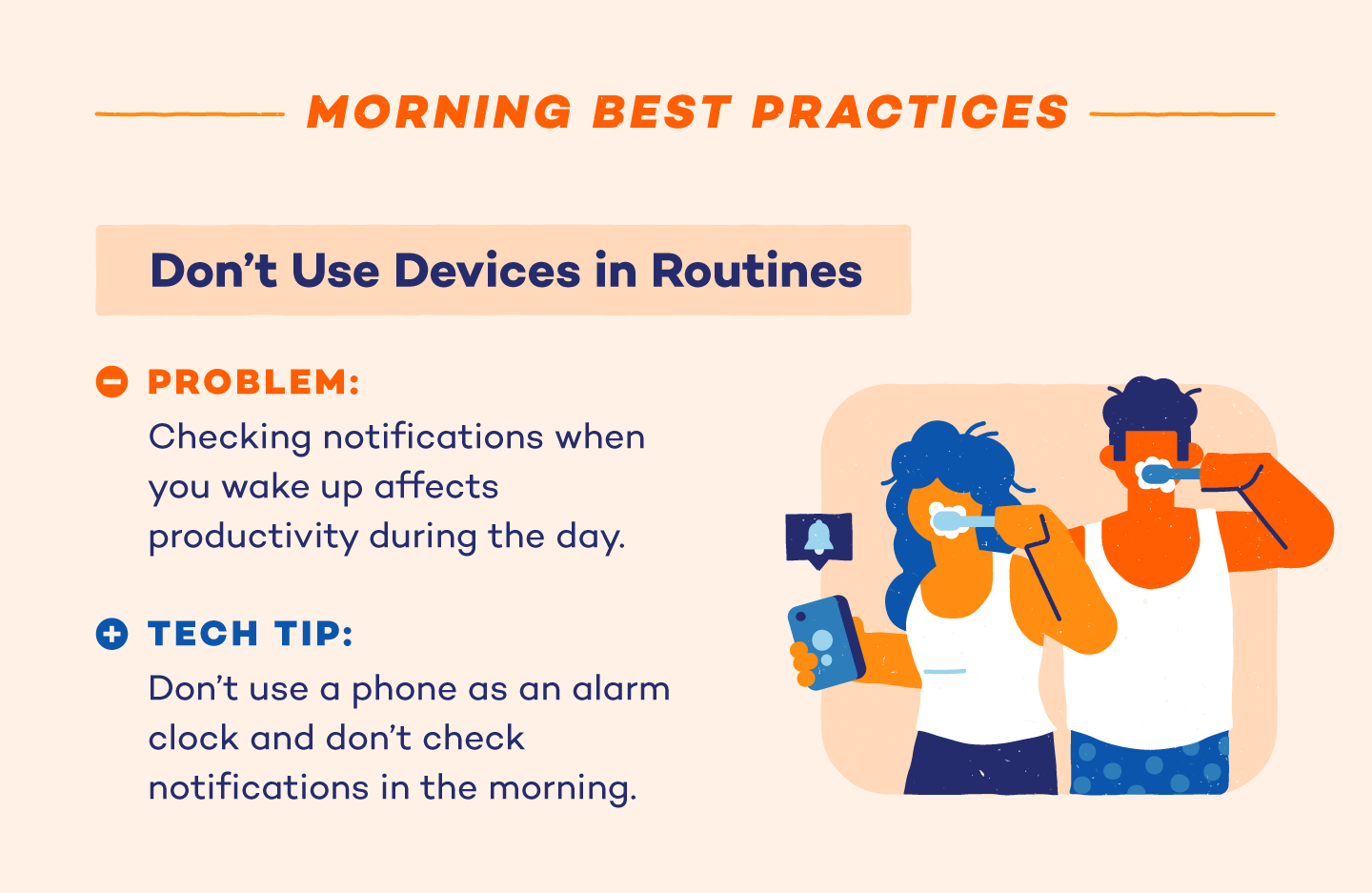
Boundaries aren’t about deprivation — they’re about protection. Start small: designate tech-free zones, like the dinner table or your bedroom. Turn off non-essential notifications so your phone isn’t constantly vying for your attention. Try implementing a “no screens” rule for the first hour after waking up and the last hour before bed.
You might worry about missing something important, but ask yourself: What’s more important — being present in the moment or reacting to a notification that can wait? Most things can. And if they can’t, someone will call you.
Another powerful tactic is scheduling “tech breaks” — short, intentional periods where you disconnect completely. Use this time to stretch, read a book, or simply observe your surroundings. You’ll be amazed at how refreshing it feels to step away from the digital noise.
Step 3: Replace Scrolling With Something More Meaningful
Our brains crave stimulation, and social media provides it in spades — but at a cost. Instead of mindlessly scrolling, replace that habit with activities that nourish your mind and body. Try journaling, sketching, or even taking a walk outside. These alternatives not only reduce screen time but also boost creativity and reduce stress.
Think of it as upgrading your mental diet. Just as you wouldn’t fuel your body with junk food all day, why feed your mind a steady stream of curated highlights and outrage? Curate your inputs as carefully as you curate your social circle.
Step 4: Practice Digital Mindfulness (Yes, It’s a Thing)
Mindfulness isn’t just for meditation — it’s a way of engaging with the world, including technology. Before you open an app, pause and ask: Why am I doing this? What do I hope to gain? If the answer is “to pass the time” or “out of habit,” reconsider. Approach your devices with intention, not autopilot.
You can also practice “single-tasking” — focusing on one thing at a time, whether it’s working, eating, or talking to a friend. Multitasking with technology (like texting while watching TV) fragments your attention and leaves you feeling drained. Give your full presence to each moment, and you’ll likely find that even mundane tasks feel more satisfying.
Step 5: Foster Real Connections (Because Notifications Can’t Replace Hugs)
One of the ironies of our hyper-connected world is that many of us feel lonelier than ever. Technology can bridge distances, but it can also create emotional distance. Make a conscious effort to prioritize face-to-face interactions, even if they’re brief. Call a friend instead of liking their post. Meet a colleague for coffee instead of sending a Slack message.
Technology should enhance relationships, not replace them. Use it to strengthen bonds, not as a substitute for genuine connection.
Overcoming the Biggest Challenge: The Fear of Missing Out (FOMO)
This is where things get tricky. FOMO — the nagging feeling that everyone else is having more fun, more success, or more excitement — is one of the biggest barriers to a healthy tech relationship. But here’s the truth: You are not missing out. You are choosing to be present.
Social media shows us only the highlights, not the full picture. What you see online is a carefully edited version of reality. Real life — with its messy, unfiltered moments — is far more rewarding. When you step back from the comparison trap, you create space for authenticity, growth, and true fulfillment.
Try this: For one week, avoid checking social media unless it’s for a specific purpose (like messaging a friend). Notice how you feel. You might discover that the world doesn’t end when you’re not constantly plugged in — in fact, it becomes richer.
Final Thoughts: Your Tech, Your Rules
Building a healthy relationship with technology isn’t about perfection — it’s about progress. It’s about recognizing when your habits serve you and when they don’t, and making small, sustainable changes. It’s about reclaiming your time, your attention, and your peace of mind.
So, the next time your phone buzzes, pause. Ask yourself: Is this adding value to my life, or am I just reacting out of habit? Then, choose wisely. Your future self will thank you.
Leave a comment