


What if the life you’re building today isn’t the one you’ll need tomorrow? What if the goals you set, the habits you form, and the identity you embrace are simply the scaffolding for a version of yourself that’s still waiting to emerge? Life isn’t a fixed destination—it’s a living, breathing process of becoming. So why do we design our lives as if they’re meant to stay the same?
Building a life that evolves with you isn’t about chasing perfection. It’s about cultivating curiosity, embracing discomfort, and designing systems that grow as you do. It’s about asking: What if the version of me that exists in five years isn’t someone I’ve met yet? And then preparing to meet them.
—
Why Most Lives Stay Stuck in the Past
We’re taught to set goals, stick to plans, and measure success by consistency. But life isn’t a spreadsheet. It’s a river—constantly shifting, carving new paths, and sometimes flooding where we least expect it. The problem? We build our lives like we’re constructing a house. We lay the foundation, frame the walls, and then act surprised when the floorboards creak under the weight of a new season.
Consider the person who spends a decade climbing a corporate ladder, only to realize mid-career that their values have shifted. Or the artist who abandons their craft because it no longer pays the bills. These aren’t failures of ambition—they’re failures of adaptability. We assume our future selves will want the same things we do today, but evolution doesn’t work that way. It demands reinvention.
The real challenge isn’t change—it’s recognizing that change is the only constant. The life you’re building today is a draft, not a final manuscript. The question isn’t whether you’ll evolve, but whether you’ll evolve intentionally.
—
The Myth of the “One True Path”
Society sells us a seductive lie: that there’s a single, correct way to live. Go to college. Get a stable job. Buy a house. Retire by 65. But what if your path looks nothing like this? What if your evolution demands detours, U-turns, or even a complete overhaul?
Take the story of a former lawyer who left her firm to become a baker. Or the engineer who pivoted to teaching meditation. These aren’t exceptions—they’re examples of lives that refused to be boxed in. The myth of the “one true path” assumes that growth is linear, but real evolution is often messy, nonlinear, and deeply personal.
So how do you break free from this illusion? Start by asking:
- What would my life look like if I gave myself permission to change?
- What parts of my identity feel outdated, even if they once served me?
- What would happen if I treated my life like a prototype instead of a permanent structure?
Your answers might surprise you. They might even scare you. But they’ll also set you free.
—
Designing for Evolution: The Art of Flexible Living
If life is a river, then most of us are trying to build dams instead of rafts. We cling to rigid identities, inflexible routines, and goals that no longer align with who we’re becoming. But what if, instead of resisting change, we designed our lives to flow with it?
Here’s how:
1. Build with Lego, Not Concrete
Imagine your life as a Lego structure. Each brick represents a habit, relationship, or goal. Now, what happens when you want to rearrange the pieces? With Lego, it’s easy. With concrete? Not so much.
Apply this to your life by:
- Adopting modular goals: Instead of “I want to be a CEO,” try “I want to lead teams in a way that aligns with my values.” The specifics can shift as you do.
- Creating flexible routines: Swap rigid schedules for “anchor habits” (e.g., daily walks) that can adapt to new phases of life.
- Investing in transferable skills: Skills like communication, problem-solving, and emotional intelligence grow with you, no matter what path you take.
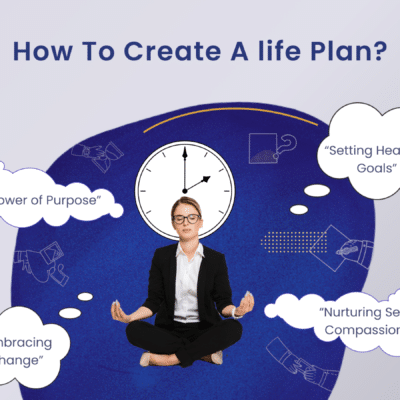
Concrete goals are like concrete walls—they crack under pressure. Lego structures? They evolve.
2. Cultivate a “Beginner’s Mind” in Every Domain
As we age, we often fall into the trap of expertise. We know what we’re good at, so we double down. But what if the skills you need in your next phase of life are ones you’ve never tried?
Challenge yourself to:
- Learn something unrelated to your current path: If you’re a marketer, take a pottery class. If you’re a parent, learn to code.
- Seek feedback from unexpected sources: The people who know you best might not be the ones who can help you grow the most.
- Embrace “useless” knowledge: Sometimes the most valuable insights come from hobbies, side projects, or even failures.
Evolution thrives on novelty. The more you expose yourself to new ideas, the more your life will adapt.
3. Create a “Life Audit” Ritual
Every six months, pause and ask:
- What parts of my life feel stale or draining?
- What new interests or values have emerged?
- What relationships or commitments no longer serve my growth?
This isn’t about judgment—it’s about recalibration. Think of it like pruning a plant. You’re not cutting away the “bad” parts; you’re making space for new growth.
—
The Paradox of Control: Letting Go to Grow
Here’s the uncomfortable truth: You can’t control how your life evolves. You can’t predict the twists, the turns, or the detours. But you can control how you respond to them.
The people who build lives that evolve with them aren’t the ones who have all the answers. They’re the ones who ask the right questions. They’re the ones who treat uncertainty as an invitation, not a threat.
So what’s the next step? Start small. Try something new. Let go of one thing that no longer fits. And remember: The life you’re building today isn’t the one you’ll be living in five years. The question is—will you be ready for it?
Leave a comment