


Social media is a grand ballroom where millions dance in perpetual motion—each post a twirl, every comment a step, and the algorithm the unseen choreographer dictating the rhythm. Yet, for the uninitiated, it’s less a waltz and more a frenetic mosh pit where time evaporates like dry ice in sunlight. The irony? What was meant to connect us often leaves us exhausted, scrolling into the abyss of “just one more post.” The solution isn’t to abandon the dance floor but to master the steps. Here’s how to wield social media like a conductor leading a symphony—efficient, intentional, and in control.
The Illusion of Productivity: Why Social Media Feels Like a Time Sink
Picture this: You open Instagram to check a notification, and suddenly, it’s an hour later. The platform’s design is a masterclass in psychological manipulation—endless scrolls, dopamine-driven notifications, and the fear of missing out (FOMO) acting as an invisible puppeteer. Studies show that the average user spends nearly 2.5 hours daily on social media, a chunk of time that could build empires or master skills. The culprit? Passive consumption. Scrolling without purpose is the digital equivalent of mindlessly grazing at a buffet—you consume, but you’re never satisfied.
To break free, you must shift from reactive to proactive. Ask yourself: What’s the one thing I want to achieve before closing this app? Whether it’s engaging with three key clients, sharing one valuable insight, or simply logging off after 10 minutes, set a micro-goal. Tools like app timers or focus modes can act as your digital referee, blowing the whistle when you’ve overstayed your welcome.
The 80/20 Rule of Social Media: Doing Less to Achieve More
Imagine a gardener tending to a sprawling jungle when all they needed was a single, thriving rose. Social media is no different. The Pareto Principle (80/20 rule) suggests that 80% of your results come from 20% of your efforts. On social media, this means identifying the platforms, content types, and interactions that yield the highest return.
Start by auditing your presence:
- Platforms: Are you spreading yourself thin across TikTok, LinkedIn, X, and Facebook? Focus on where your audience actually lives. A B2B consultant thrives on LinkedIn; a fashion brand may find its soul on Instagram.
- Content: Which posts drive engagement? Is it carousels, videos, or short-form text? Double down on what works and prune the rest.
- Engagement: Are you spending hours commenting on random posts? Prioritize meaningful interactions—replying to 10 targeted messages beats 100 generic likes.
Use analytics tools (like Meta Business Suite or Twitter Analytics) to track performance. The goal isn’t to post more—it’s to post smarter.
The Power of Batching: Turning Social Media into a Factory Line
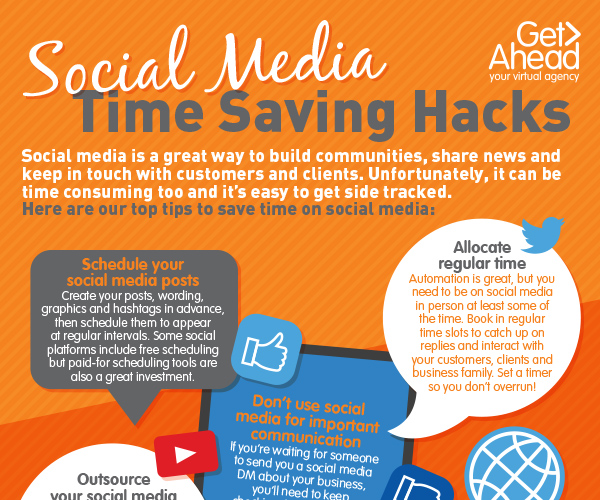
Henry Ford didn’t build cars one bolt at a time; he revolutionized production by batching. Apply the same principle to social media. Instead of hopping on and off platforms throughout the day, dedicate specific blocks of time to content creation, engagement, and analytics.
Here’s a sample schedule for a busy entrepreneur:
- Morning (15 min): Review notifications and respond to urgent messages. Prioritize replies that require more than a ” .”
- Midday (20 min): Create and schedule content. Use tools like Buffer or Later to automate posting.
- Evening (10 min): Engage with followers. Leave thoughtful comments on 3-5 posts from your community.
Batching isn’t about rigid schedules—it’s about intentionality. When you treat social media like a factory, you eliminate the chaos of constant context-switching.
The Art of the “Good Enough” Post: Perfection is the Enemy of Progress
Social media thrives on authenticity, not polish. The pressure to craft the perfect post can paralyze even the most seasoned creators. But here’s the truth: your audience cares more about utility than perfection. A quick tip shared in a casual video will outperform a heavily edited, overproduced post that took hours to make.
Adopt the “80% rule”: Aim for good enough—clear, concise, and valuable. Use your phone’s camera for quick videos, repurpose blog snippets into carousel posts, or share behind-the-scenes stories. The key is consistency over perfection. A daily 60-second video beats a monthly 10-minute masterpiece that no one sees.
Remember: Social media is a conversation, not a billboard. The more human and relatable your content, the more it resonates.

Automation: Your Silent Partner in the Social Media Dance
Imagine a sous-chef preparing ingredients while the head chef focuses on the final dish. Automation tools are your sous-chefs—handling the repetitive tasks so you can focus on strategy. Here’s how to leverage them without losing the human touch:
- Scheduling: Tools like Hootsuite or Sprout Social let you plan posts in advance, ensuring you’re active even when you’re offline.
- Chatbots: For customer service, bots can handle FAQs while you step in for complex inquiries.
- Content Curation: Use tools like Feedly or Pocket to save articles and repurpose them into posts with your unique insights.
But a word of caution: Automation should augment, not replace, your presence. A bot can’t replicate the warmth of a personalized reply or the authenticity of a live Q&A. Use automation to free up time for what matters—building relationships.
The Exit Strategy: Knowing When to Log Off
Even the most disciplined social media users need an exit plan. Without one, the platform’s addictive design will keep you trapped in an endless loop. Here’s how to make a graceful exit:
- Set Boundaries: Designate “no-scroll” zones—like during meals or the first hour of your workday.
- Use Triggers: Pair logging off with a physical action, like closing your laptop or placing your phone in a drawer.
- Replace the Habit: If you reach for your phone out of boredom, replace scrolling with a healthier alternative—reading, stretching, or a quick walk.
Think of social media like a campfire: warm and inviting when controlled, but dangerous when left unattended. The goal isn’t to extinguish it but to enjoy its glow without getting burned.
Final Thought: Social Media as a Tool, Not a Trap
Social media is neither inherently good nor bad—it’s a tool, and like any tool, its value depends on how you wield it. The difference between wasting hours and winning at social media lies in intentionality. By batching tasks, automating the mundane, and focusing on what truly moves the needle, you transform from a passive scroller to a strategic powerhouse.
So, the next time you open an app, ask yourself: Am I here to consume or to create? The answer will dictate whether you leave the digital ballroom energized or exhausted.
Leave a comment