


The Digital Transformation Habits That Boost Productivity
We live in an age of perpetual motion, where the inbox never empties and the to-do list seems to breed overnight. It is a common observation that the most successful individuals are not necessarily those who work the longest hours, but those who possess an almost uncanny ability to extract maximum value from their time. The fascination with their output is not simply about envy; it hints at a deeper inquiry into the relationship between human cognition and the digital tools we have come to rely on. The answer is not in working harder, but in cultivating a specific set of digital transformation habits—practices that re-engineer the very nature of our interaction with technology to serve, rather than distract, our productivity.
The Architecture of Intention: Designing Your Digital Environment
The first and most foundational habit is the conscious design of one’s digital environment. Most people treat their devices like a physical desk, letting every notification, email, ad, and social media ping land wherever it falls. This is a recipe for cognitive chaos. A transformative habit involves treating your digital space as an architectural project. This means ruthlessly curating notifications—silencing all but the most critical, time-sensitive communications. It involves organizing your phone’s home screen to hide social media apps in a folder on the second page, placing your most-used productivity tools (like a notes app or calendar) front and center. The goal is to reduce decision fatigue. Every time a phone buzzes with a non-essential alert, a micro-fracture of attention occurs, costing up to 23 minutes to recover. By designing an environment that actively repels noise, you create a sanctuary for deep work.
The Forced Disconnection Protocol: The Art of Strategic Unavailability
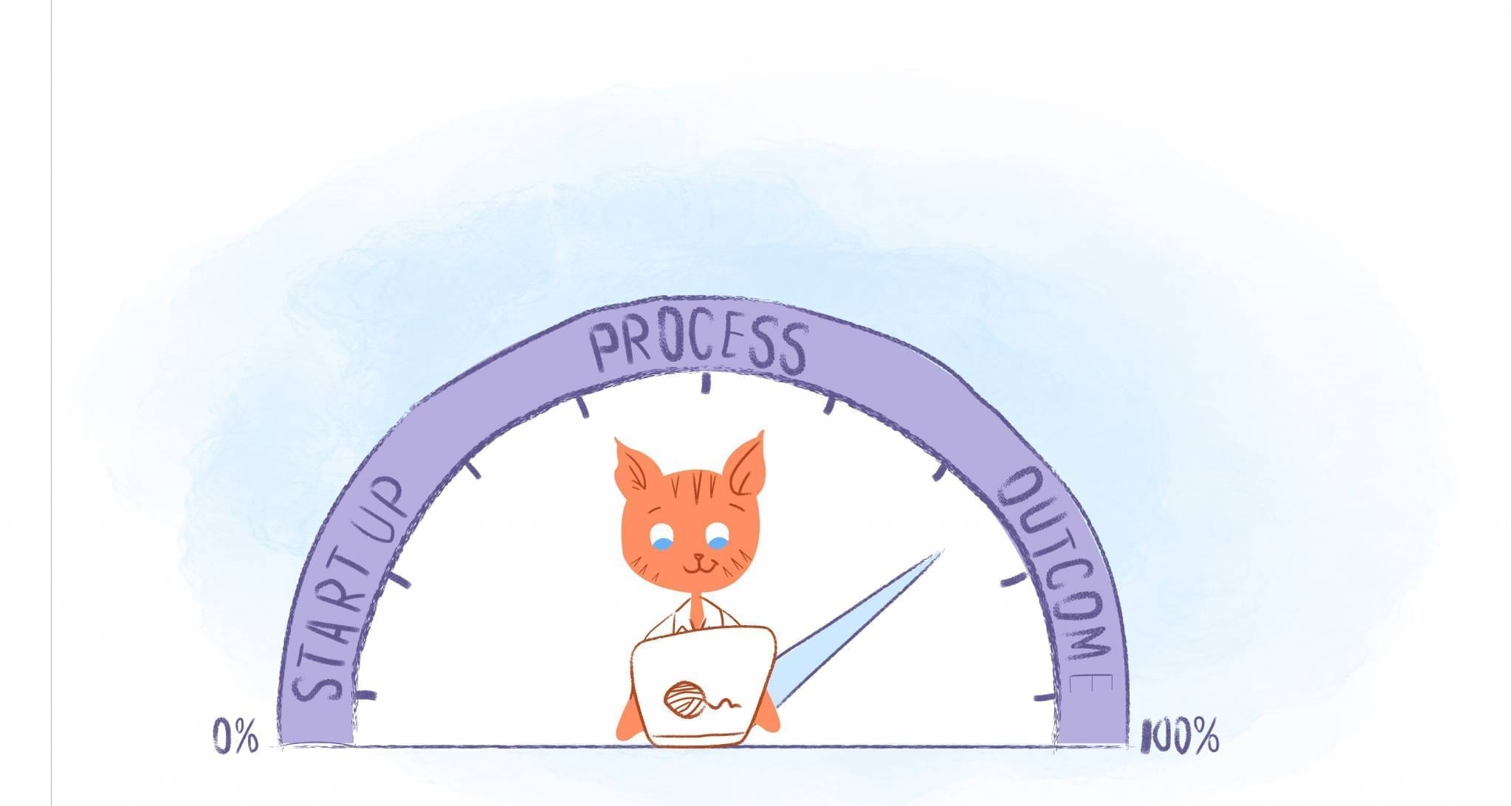
Connectedness is the currency of the modern economy, yet it is also its most demanding tax. The second critical habit is the deliberate, scheduled practice of forced disconnection. This is not about Luddite rebellion, but about strategic resource management. The human brain is not wired for constant, context-switching connectivity. A powerful habit is to establish “deep work blocks”—periods of 60–90 minutes where all digital communication is silenced, the internet is disconnected if possible, and your sole focus is on a single, high-value task. This is the inversion of the reactive workflow. Research in flow-state psychology shows that the brain requires approximately 10–15 minutes to enter a state of intense concentration after a disruption. By eliminating interruptions, you compress the time to reach that state and extend the duration you can stay there. The results are frequently output of higher quality in two hours than what might take a full morning of fragmented attention.
Data Detoxification: The Habit of Critical Consumption
Information is the raw material of knowledge work, but an unchecked flood of it becomes a hallucinogenic fog. A transformative habit is what we might call “data detoxification”—the rigorous, habitual filtering of information inputs. This means subscribing to only the highest-signal newsletters, unfollowing accounts that induce anxiety or provide low-value content, and practicing “bounded consumption” by checking news or industry trends at a specific, limited time each day (e.g., 15 minutes after lunch). The deeper reason this habit fascinates is that it recognizes a fundamental truth: attention is a finite, non-renewable resource. Every bit of trivia you absorb steals capacity from the critical thinking required to solve complex problems. The most productive digital citizens treat their intake with the same discipline a dietician treats caloric intake—they seek nutrient-dense inputs and actively purge empty calories.
The Feedback Loop: Using Digital Tools to Track, Not Judge
Productivity is not a static trait; it is a dynamic system that requires feedback. The fourth habit involves using digital tracking tools not as a source of self-flagellation, but as a diagnostic instrument. This could be as simple as a time-tracking app that logs which software you use and for how long. The key insight here is that we are notoriously poor judges of our own time perception. We often feel busy but are shocked to discover we spent 40 minutes browsing a single website. The habit of reviewing this data weekly—not to punish yourself, but to identify patterns—creates a powerful feedback loop. You might notice that you are most creative in the morning but most administrative in the afternoon. You can then schedule tasks accordingly. The technology becomes a mirror, reflecting the reality of your behavior, allowing for incremental, data-driven adjustments rather than abstract promises of “being more productive.”
The Analog Anchor: The Final Transformation
Paradoxically, the final and perhaps most potent digital transformation habit involves stepping away from the digital altogether. It is the deliberate decision to use an analog anchor—a physical notebook, a whiteboard, or a paper planner—for the most critical tasks: brainstorming, strategic planning, and reflecting. Cognitive science shows that the physical act of handwriting engages different neural pathways than typing, fostering deeper comprehension and memory retention. This habit is not a rejection of digital productivity; it is its culmination. By using a simple, low-friction analog tool to capture the “big ideas” and then translating them into your digital systems for execution, you gain a clarity that digital documents often obscure. The fascination with this habit lies in its elegant symmetry: to master the digital, one must first master the analog mind. It is the ultimate expression of using technology as a lever, not a master.

These habits of digital transformation—architecting your environment, practicing strategic disconnection, data detoxifying, tracking for feedback, and anchoring in an analog moment—do not magically create more hours in the day. Instead, they fundamentally alter the equation of human output. They transform you from a passive recipient of digital noise into an intentional, sovereign operator. The outcome is not just more work done; it is a profound reclamation of cognitive peace. And that is the ultimate productivity: the ability to achieve not just more, but to do so with a mind that remains clear, focused, and undiminished.
Leave a comment