


The Productivity Paradox: What If Your Efficiency is Making You Less Effective?
Are you moving faster than ever yet feeling like you’re running in place? It is the great irony of the modern workplace: our tools promise speed, our calendars demand optimization, and our inboxes scream for immediate responses. We have become masters of the urgent. But in this frantic race to clear checklists, we often leave behind the one element that separates motion from momentum: true leadership. The challenge, then, is not how to do more in less time, but how to lead in a way that multiplies effort rather than merely exhausts it. This is the terrain where leadership skills become the engine of sustainable, modern productivity.
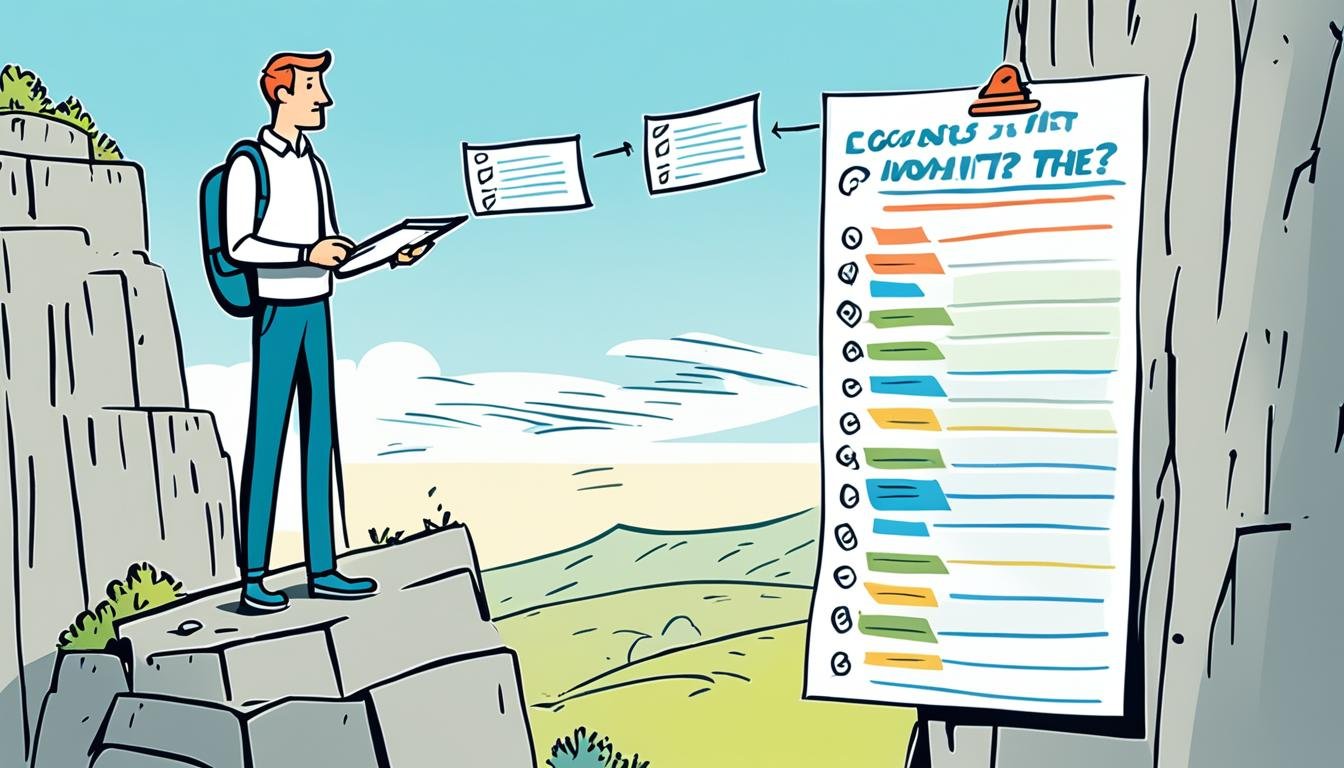
Strategic Delegation vs. The Hero Complex
The single greatest productivity killer in any organization is the leader who believes they are the only one who can do it right. Modern productivity does not come from a lone genius burning the midnight oil; it comes from a network of empowered individuals. Strategic delegation is not about offloading tedious tasks—it is about elevating others while protecting your own cognitive bandwidth for high-impact decisions. The skilled leader asks, “Who benefits from owning this?” rather than “How can I do this faster?” By surrendering control over the tactical, they reclaim authority over the strategic. This shift prevents the bottleneck that occurs when every decision must pass through one person, turning leadership from a choke point into a catalyst.
Psychological Safety: The Unseen Productivity Multiplier
Could it be that the most efficient teams are those least afraid of failure? A team operating under fear does not move fast; it moves cautiously. They hide mistakes, avoid innovation, and wait for explicit instructions. This is the opposite of modern productivity, which thrives on iteration and speed. Leadership today requires cultivating a climate of psychological safety, where team members can voice half-formed ideas, flag potential disasters early, and experiment without the threat of reprisal. The cost of a single missed warning because someone was afraid to speak up can dwarf any efficiency gain from a quicker process. The most productive leader is not the one with all the answers, but the one who creates the conditions where the best answers can surface from anywhere in the room.

Navigating the Attention Economy with Intentional Focus
In a world of infinite notifications and constant context-switching, the most precious resource is not time—it is attention. The modern leader must model the very focus they wish to see. This means establishing clear priorities that are not just communicated but ruthlessly protected. It means saying “no” to good ideas so that great ones have room to breathe. A scattered leader creates a scattered team, one that chases every shiny object and produces shallow results across dozens of fronts. True productivity emerges when a leader can declare, “This is what we are doing, and this is what we are not doing.” This clarity becomes a gravitational force, pulling the team’s energy into a coherent, powerful direction rather than dispersing it into the void.
Adaptability as a Core Operating System
The plans we made last quarter are already obsolete. The tools we mastered six months ago are being replaced. Rigid leadership is a slow-acting poison for productivity because it clings to methods that no longer serve the goal. The leader who drives modern productivity is one who treats strategy as a living document, not a stone tablet. They pivot without panic. They see disruption not as an interruption but as new data. This adaptive mindset trickles down: when the leader treats change as a constant, the team stops waiting for stability and starts learning to dance in the rain. The speed of a team is ultimately limited by the speed at which its leader can learn, unlearn, and relearn.
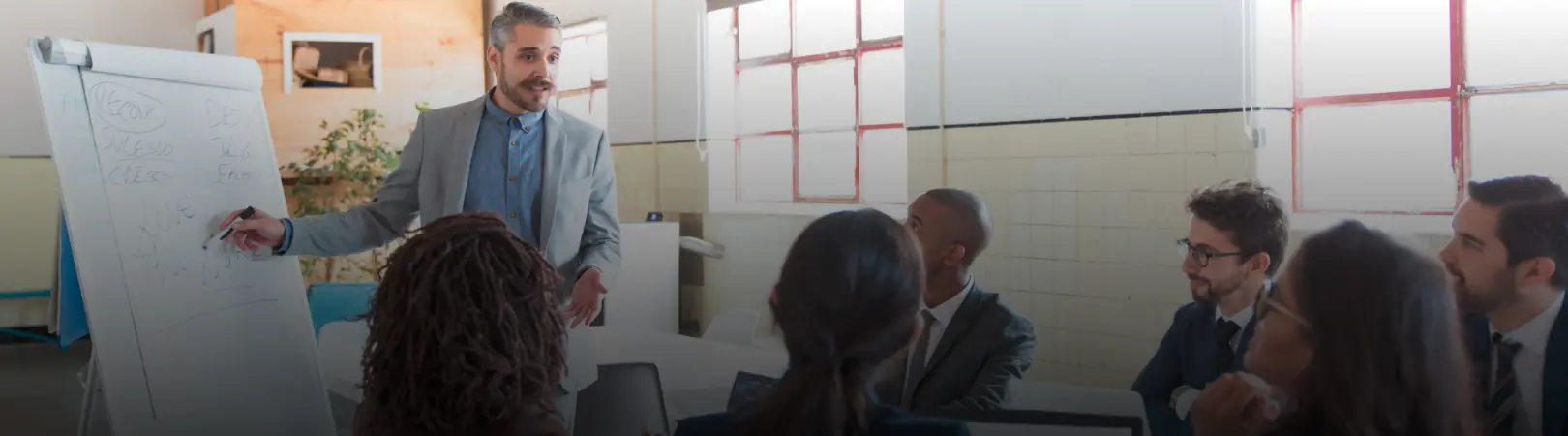
The Feedback Loop That Fuels Continuous Improvement
Productivity is not a destination; it is a trajectory. And that trajectory is shaped by how effectively a leader gives and receives feedback. The old model of annual reviews is a relic of a slower era. Modern leadership demands real-time, specific, and constructive feedback that recalibrates efforts on a daily or weekly basis. This is not about micromanagement; it is about creating a high-fidelity signal that tells people whether they are on course. Simultaneously, the leader must be porous enough to receive feedback from below. When a leader models a growth mindset—admitting mistakes, asking for input, celebrating learning over perfection—they build a culture where productivity is not enforced but inspired. The team becomes a self-correcting organism, constantly refining its output without needing a command from the top.
Leave a comment