


What if Your Morning Coffee is Sabotaging Your Flow?
Picture this: you roll out of bed, shuffle to the kitchen, and brew your life-giving elixir. You sit down at your home workspace, take that first, perfect sip, and feel the day’s potential crackling in the air. But then, an hour passes. You’ve scrolled through three email threads, responded to a non-urgent Slack message, and researched a new pair of running shoes. The coffee is cold. The work is not done. It’s a playful paradox, isn’t it? We often assume that our most cherished habits—like the morning ritual of caffeine—are productivity boosters. But what if that very ritual is the anchor dragging you into a chaotic, reactive spiral before you’ve even consciously chosen your first task for the day? The challenge of remote work isn’t merely about avoiding the refrigerator or the siren song of your couch. It’s about the subtle, deeply personal architecture of your morning routine—and whether it’s built for momentum or for pleasant, unproductive drift.

The Architecture of the “Zero-Decision” Start
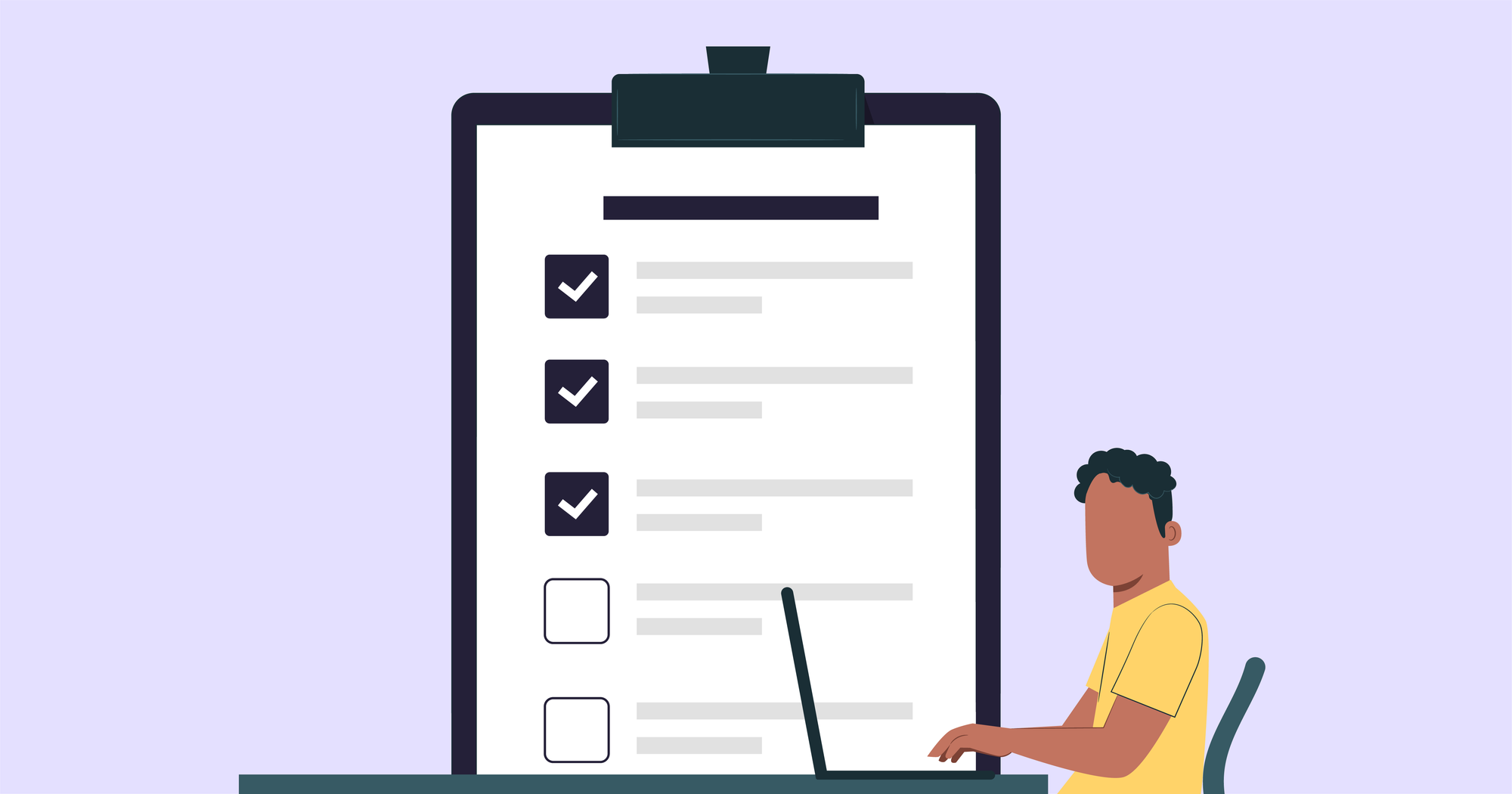
To dismantle this challenge, we must look not at what you should do, but at what you naturally do in the first thirty minutes of your workday. Most remote workers fall into a trap engineers call “context switching.” You wake up, check your phone, scan the news, answer a text, then open your laptop and immediately dive into the inbox of others. This is a high-cost, low-value start. Your brain, still in a theta-wave state of drowsy creativity, is jolted into a reactive mode. Instead, a productive remote work routine demands what we can call a “Zero-Decision Start.” This means that the first action you take after sitting down is premeditated, automatic, and singular. It could be opening a specific document, writing three bullet points of intention, or physically writing in a journal. The key is to eliminate choice. When you have to decide what to do, your cognitive energy leaks before you’ve even started. Build a ritual where the first task is a non-negotiable, low-cognitive-load action—like reviewing yesterday’s notes or opening a blank page for a specific project. This protects your “deep work” energy for the hours that matter.
The “Buffer Zone” Between Home and Work (It’s Not a Commute)
In a physical office, the commute is your buffer. It’s a liminal space where you mentally transform from “parent/partner/human” into “professional.” Remote work erases that boundary. The challenge is that the kitchen is ten feet away, and your bed is a dangerous whisper. The solution is not to simulate a commute by walking around the block (though that helps). The solution is to create a psychological buffer zone through a sensory ritual. This is where the narrative of your morning becomes crucial. Before you touch a work device, perform a five-minute transition. Perhaps you change your clothes from pajamas to “work clothes.” Perhaps you light a specific candle, play a specific instrumental song, or do a brief breathing exercise. The goal is to signal to your brain: “The personal phase is over. The creation phase begins now.” This buffer isn’t about time; it’s about intent. A smart routine uses a sensory trigger—a specific smell, sound, or visual cue—to flick the switch from reactive to productive. Without this, your home remains a place of comfort, and your work remains a background hum of anxiety.
The Myth of the “Full Eight Hours” and the Power of Compression
One of the most pervasive fictions in remote work is that you need to be “working” for eight contiguous hours. This is a factory-floor mentality that crushes creativity. The playful truth is that your brain can only produce high-quality output for about four to five hours a day, and rarely in one block. The real challenge, then, is not to fill the time, but to compress the most important work into a tight, focused window. This is where the “Routine Boost” happens. Instead of a flat line of moderate productivity all day, build a sharp spike. Identify your personal “peak cognitive hour”—for many, it’s 9 AM to 11 AM. During that time, you must be completely unreachable. No email, no Slack, no internal messages. This is your “maker time.” Then, after this burst, allow yourself a genuine, guilt-free break of fifteen to thirty minutes. Walk away. Stretch. Eat a snack without a screen. When you return, you’ll be in a different, lower-energy state for “manager tasks”—emails, meetings, quick replies. The productivity boost comes not from doing more, but from doing the hardest things in the shortest, most intense block. It’s like a spring: the tighter you compress it, the more energy it releases.
The Anti-Routine: When to Break Your Own Rules
An article on routine would be incomplete without addressing its mortal enemy: rigidity. A smart routine is not a prison; it is a structure that yields when needed. The playful challenge here is to know when to deliberately break your own schedule. If you force a deep work block when you are exhausted, anxious, or creatively blocked, you will produce garbage. The narrative of productivity must include the chapter on “strategic surrender.” If your peak cognitive hour falls flat, do not force it. Switch to a “low-stakes” activity: organize your desktop, clear out old files, or do a mindless administrative task. Sometimes, showering at noon or going for a midday walk is the most productive thing you can do. The routine’s power is that it gives you a default path. The intelligence is knowing when to take an off-ramp. A rigid routine becomes a source of guilt; a flexible routine becomes a source of power. The moment you feel the resentment building toward your schedule is the moment you need to revise it. Productivity is not a mechanical process; it is a biological rhythm. Dance with it, don’t march against it.
The Final Ritual: Closing the Loop
What you do at the end of the day is just as important as the beginning. Without a physical departure from an office, the workday tends to bleed into the evening. The challenge is an intangible “open loop” in your mind—the unfinished email, the half-baked idea, the lingering worry. To boost productivity for tomorrow, you must close the loop today. Your last five minutes of work should be a deliberate act of closure. Write down the single most important task for tomorrow morning. Archive your tabs. Shut down your computer—completely, not just close the lid. Then, verbally or mentally say “done.” This is not woo-woo; it’s cognitive offloading. When you externalize your tomorrow’s intention onto paper, your brain can stop holding that mental weight. It lets go. And a brain that can truly rest is a brain that will be explosive with creativity the next morning. That is the ultimate remote work routine: one that doesn’t just structure your day, but protects your recovery. Because productivity, in the end, is not about the hours you work. It’s about the energy you bring to the ones that matter.
Leave a comment