


Have you ever wondered what your customers *truly* think about your brand’s eco-friendly initiatives? Not just the polite nods in surveys, but the raw, unfiltered emotions simmering beneath the surface? What if I told you that sentiment AI could be the crystal ball you’ve been searching for—one that doesn’t just predict consumer behavior but *feels* it in real time?
Ajarn Forum Latest Articles
Ethics of Surveillance Capitalism for HR Professionals
Have you ever wondered how much of your employees’ digital footprints are being harvested, analyzed, and monetized without their explicit consent? In the age of surveillance capitalism, even the most mundane workplace interactions—emails, calendar events, chat messages, and even biometric data from wellness programs—are fair game for data extraction. For HR professionals, this isn’t just a philosophical quandary; it’s a daily operational tightrope. Balancing productivity, privacy, and profitability has never been more complex. Let’s dive into the ethical labyrinth of surveillance capitalism and uncover what it means for the people who shape organizational culture.
Generative AI for Policy Drafting (EU and US)
In the grand symphony of governance, policies are the sheet music—complex, precise, and capable of shaping the rhythm of society. Yet, composing them has long been a Herculean task, a labyrinth of legal jargon, stakeholder negotiations, and bureaucratic inertia. Enter generative AI, the avant-garde maestro rewriting the score with algorithmic precision and creative flair. Across the Atlantic, the European Union and the United States are waltzing with this technological prodigy, each choreographing a unique dance between innovation and regulation. What emerges is not just a tool, but a paradigm shift—one that promises to democratize policy drafting while navigating the treacherous waters of ethical and legal constraints. Let’s explore how generative AI is transforming the art of policy-making, turning what was once a Sisyphean labor into a symphony of efficiency and foresight.
ESG for Public Relations: Communicating Progress Honestly
.png)
In an era where corporate narratives are dissected under the microscope of public scrutiny, the art of communicating Environmental, Social, and Governance (ESG) progress has evolved from a mere obligation to a strategic imperative. The modern consumer, investor, and stakeholder no longer accept vague assurances or polished press releases at face value. They demand authenticity, transparency, and a tangible connection between words and actions. ESG for Public Relations isn’t just about broadcasting achievements—it’s about fostering trust through honesty, even when the truth isn’t flattering. This shift in perspective isn’t just a trend; it’s a revolution in how businesses engage with the world.
Can Blockchain Badges Be Faked?

In the digital frontier, where trust is scarcer than a honest politician, blockchain badges have emerged as the new gold standard of verification. These cryptographic insignia, etched into the immutable ledger of a blockchain, promise to authenticate identities, skills, and achievements with a level of certainty that traditional certificates can only dream of. Yet, as the old adage warns, “Where there’s a will, there’s a way”—and where there’s a blockchain badge, there’s a potential forgery lurking in the shadows. The question isn’t whether blockchain badges can be faked, but how resilient they truly are against the relentless tide of digital deception.
The Role of Nutrition in Cognitive Performance (Course)
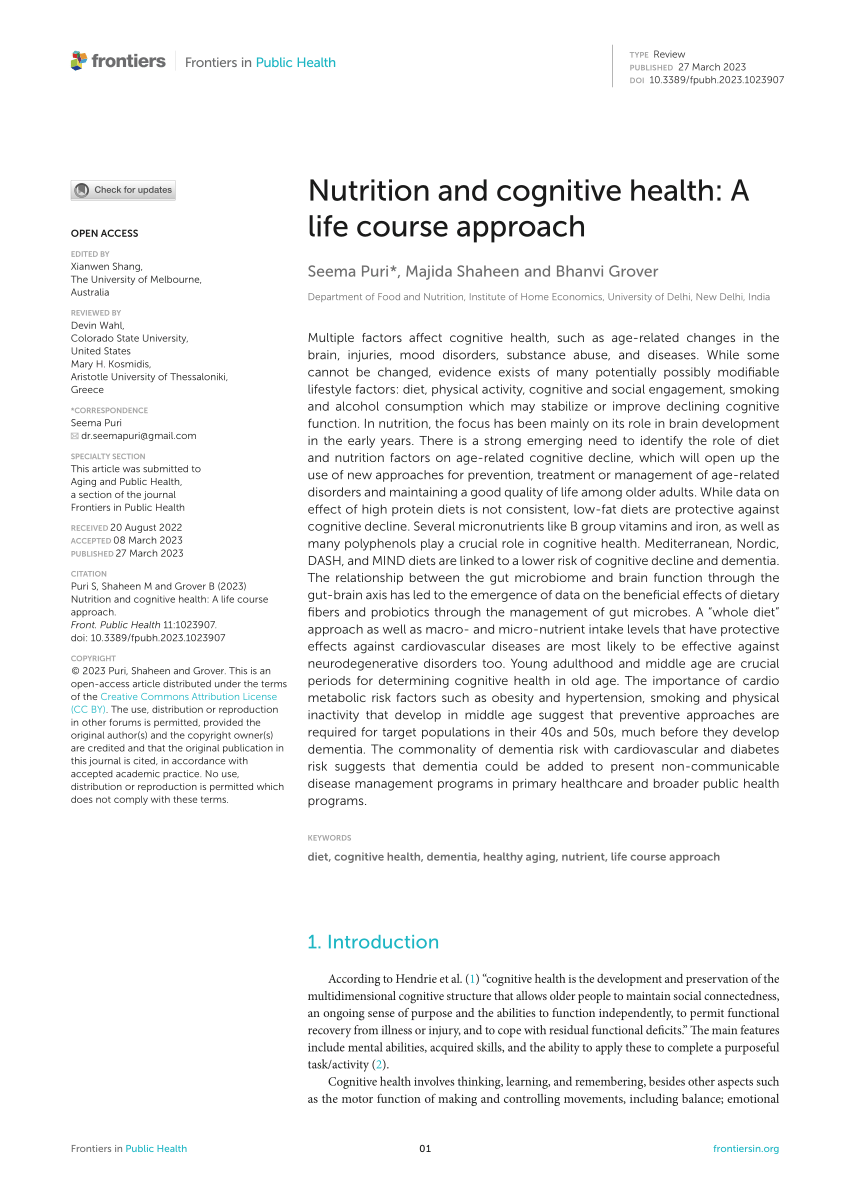
In the grand symphony of human cognition, nutrition plays a first-chair violin—its melodies shape the brain’s capacity to learn, remember, and adapt across the lifespan. From the cradle to the golden years, the foods we consume act as both fuel and architect, sculpting neural pathways and fortifying mental resilience. Yet, the relationship between nutrition and cognitive performance is far from simplistic; it’s a dynamic, life-long dialogue where timing, quality, and context matter just as much as quantity. Whether you’re a parent nurturing a child’s growing mind, a student cramming for exams, or an aging adult seeking to preserve clarity, the foods on your plate are silently scripting your cognitive destiny. Let’s embark on a journey through the labyrinth of nutrition’s role in cognitive performance, exploring the science, the strategies, and the surprising nuances that define this intricate connection.
Academic Integrity in the Age of ChatGPT-5 & Beyond
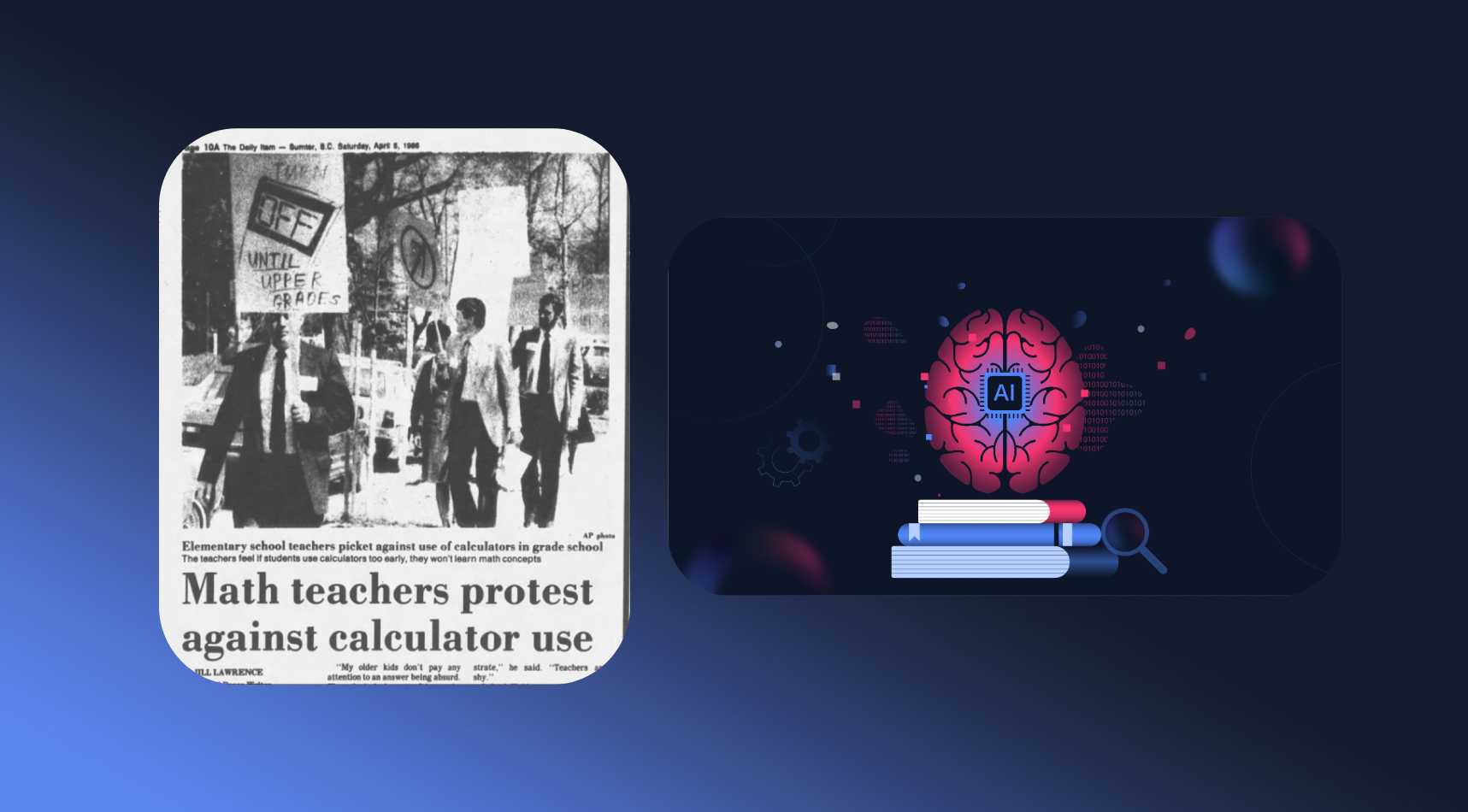
The dawn of artificial intelligence has cast a long shadow over the hallowed halls of academia, where the sanctity of original thought once reigned supreme. Now, as ChatGPT-5 and its successors loom on the horizon, the very fabric of academic integrity trembles under the weight of possibility. Students and educators alike find themselves at a precipice, gazing into the abyss of an era where the line between inspiration and transgression blurs with each keystroke. The fascination with this technological marvel is not merely about its capabilities—it’s about the existential questions it forces us to confront: What does it mean to learn, to create, to be human, when machines can mimic our intellect with unsettling precision?
Task Force on Climate-Related Financial Disclosures (TCFD)

The Task Force on Climate-Related Financial Disclosures (TCFD) isn’t just another acronym in the sprawling lexicon of global finance—it’s a seismic shift in how we perceive risk, opportunity, and the very future of capitalism. Imagine a world where investors don’t just glance at quarterly earnings but scrutinize a company’s resilience against a hurricane’s fury or its adaptability to a carbon-taxed economy. That world is no longer a distant utopia; it’s the new reality, and TCFD is the architect.
Build a Sentiment AI Bot Using Python (Project)
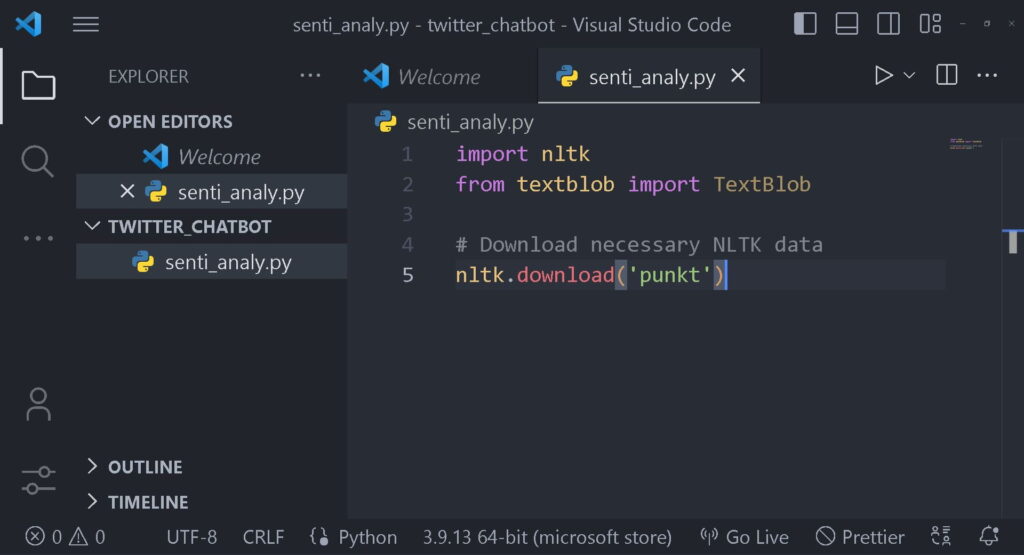
In an era where digital conversations overflow with raw emotion—where a single tweet can spark a revolution or a product review can make or break a brand—understanding sentiment isn’t just insightful; it’s transformative. Imagine crafting a digital entity that doesn’t just read words but *feels* them: a Sentiment AI Bot, built with Python, that deciphers joy, frustration, sarcasm, and hope in real time. This isn’t science fiction. It’s a tangible project that shifts how you interact with data, turning unstructured text into actionable emotion. Whether you’re analyzing customer feedback, monitoring social sentiment, or building empathetic chatbots, this bot promises to redefine your perspective on what text can reveal.
Power Up Your Resume

In a world where hiring managers sift through stacks of resumes like archaeologists uncovering ancient artifacts, your document isn’t just a piece of paper—it’s a golden ticket to the next chapter of your career. Yet, most resumes languish in the abyss of the “maybe” pile, not because of lackluster experience, but because they fail to whisper—or better yet, shout—the right words. Enter the transformative power of resume power words. These aren’t just verbs or adjectives; they’re the linguistic alchemy that transmutes your professional narrative from mundane to magnetic. Let’s embark on a journey to dissect, refine, and elevate your resume into a compelling manifesto of your capabilities.