


Graduate school is a crucible where ambition meets adversity. The thesis—a rite of passage for scholars—often becomes a monolith of anxiety, looming larger with each passing deadline. Yet, what if the key to unlocking this stress wasn’t in working harder, but in reimagining the journey itself? This isn’t just another guide to time management or self-care platitudes. It’s a radical reorientation toward well-being, where the thesis transforms from a gauntlet into a scaffold for growth. Let’s dismantle the myth of the “suffering scholar” and rebuild a path where productivity and peace coexist.
Ajarn Forum Latest Articles
Sentiment Analysis of Climate Policy Social Media (Real-Time)

Have you ever scrolled through your social feeds and wondered, *What does the internet really think about climate policy?* It’s a question that lingers like a stubborn hashtag—everywhere, yet elusive. The answer isn’t just buried in a sea of tweets, posts, and memes; it’s a living, breathing pulse of public opinion, shifting with every new policy announcement, protest, or viral moment. But here’s the twist: capturing that pulse in real time? That’s where the magic—and the madness—of sentiment analysis comes in.
Sustainability Micro-Credential for Green Tech Sales Teams

Have you ever paused mid-conversation with a potential client, only to realize your pitch is tangled in jargon like a garden hose in a windstorm? The green tech revolution is surging forward, but even the most passionate sales teams can stumble when the language of sustainability feels as slippery as an eel in a rainstorm. What if there was a way to sharpen your team’s sales edge—not just with glossy brochures, but with a micro-credential that turns eco-conscious confusion into confident conversions? Imagine equipping your sales force with the finesse of a sommelier, but for solar panels and carbon footprints. Let’s explore how a sustainability micro-credential could transform your green tech sales strategy from a stumbling monologue into a symphony of persuasion.
ROI-Driven Learning Paths for Career Switchers

In a world where industries evolve at the speed of thought, the once-linear career trajectory has splintered into a labyrinth of possibilities. Career switchers—those bold enough to leap from one domain into another—face a paradox: the very skills that once defined their success may now feel like anchors in uncharted waters. Yet, amid this turbulence, a quiet revolution is unfolding. Organizations and individuals alike are discovering that the key to seamless transitions isn’t just about acquiring new knowledge—it’s about sculpting ROI-driven learning paths that align ambition with tangible outcomes. These pathways aren’t mere roadmaps; they’re strategic frameworks designed to compress time-to-competency while maximizing return on investment, both for the learner and the enterprise.
Power Skills for English Language Learners (Scaffolded)

The journey of mastering a new language is akin to scaling a towering edifice—each brick laid with intention, each floor ascended with purpose. For English language learners, the process demands more than mere memorization; it requires a scaffolded approach, a meticulous architecture of support that transforms confusion into clarity and hesitation into fluency. These “power skills” are not merely tools but lifelines, guiding learners through the labyrinth of syntax, semantics, and pragmatics with grace and precision. Imagine, if you will, a scaffold as a living, breathing entity—one that adapts to the learner’s needs, offering just enough resistance to push forward yet enough support to prevent collapse. This is the essence of scaffolded learning: a dynamic interplay between challenge and assistance, where every interaction is a stepping stone toward linguistic mastery.
Case Study: University Boosts Retention 30% Using Sentiment AI

In the hallowed halls of academia, where the echoes of ambition and the whispers of doubt collide, a silent revolution is unfolding. Picture this: a university, once grappling with the exodus of students like leaves in autumn, now stands as a bastion of retention, its halls buzzing with engaged learners who feel seen, heard, and valued. This isn’t the plot of a feel-good novel—it’s the real-world impact of Sentiment AI, a technological marvel that’s reshaping the very fabric of student experience. The numbers don’t lie: a 30% surge in retention, a testament to the power of listening when it matters most. But how did they do it? Buckle up, because the story you’re about to read isn’t just about data points and algorithms. It’s about the human heart beating beneath the cold precision of technology, and the transformative potential of understanding what students truly feel before they even say a word.
Well-Being Leave Policies for Universities (Legal)

In the grand symphony of academia, where the clatter of chalk meets the hum of laboratories, one melody often goes unheard—the quiet plea of a scholar wrestling with life’s unpredictable storms. Universities, those bastions of knowledge, are not merely temples of learning but also sanctuaries of human fragility. Here, the pursuit of intellectual enlightenment must coexist with the raw, unscripted dramas of life: a parent’s bedside vigil, a child’s first steps, a mind unraveling under the weight of burnout. Well-being leave policies are not just bureaucratic checkboxes; they are the invisible scaffolding that holds up the edifice of higher education, ensuring that the flame of curiosity does not flicker out in the gale of personal crisis.
Calculating the Opportunity Cost of a 4-Year Degree vs. 4 Micro-Credentials
In the grand chessboard of life, every decision is a move that reshapes the landscape of your future. Choosing between a four-year degree and four micro-credentials is no different—it’s a strategic play that demands careful calculation. The stakes? Not just time and money, but the very trajectory of your career and personal growth. Let’s embark on this journey of discovery, where we dissect the opportunity cost of each path, weigh their unique appeals, and uncover which move might serve you best in the long run.
Why Companies Pay Premiums for Candidates with Verified Badges
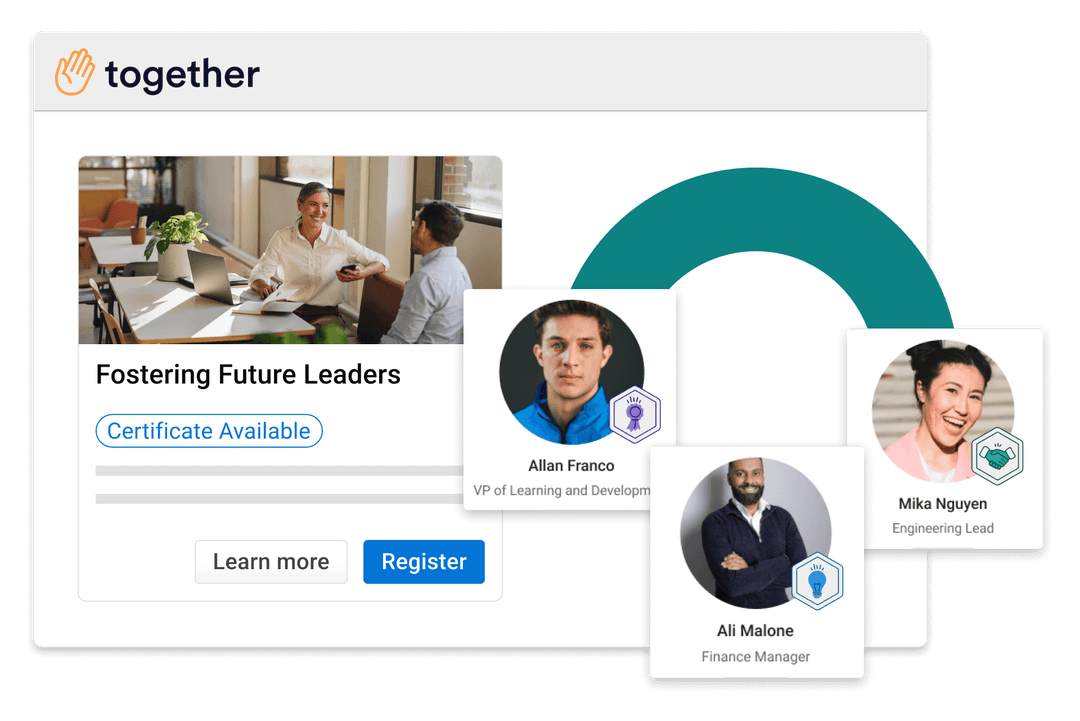
Ever wondered why some job applicants breeze past the initial screening while others languish in the abyss of the “maybe” pile? What if the difference wasn’t just their resume, but something far more tangible—something that glows with the unmistakable sheen of authenticity? Enter the world of verified badges, those shimmering digital emblems that companies are increasingly willing to pay premiums for. But why? What makes these badges so irresistibly valuable in the eyes of employers? Let’s embark on a journey to uncover the hidden currency of these credentials and why they’ve become the golden tickets of the modern hiring landscape.
Mindfulness for Students: 5-Minute Classroom Exercises

Have you ever watched a classroom full of students, only to notice half of them fidgeting like squirrels on espresso? Their minds are elsewhere—doodling, daydreaming, or mentally composing their next TikTok dance. What if there was a secret weapon to reel them back in, one that didn’t involve raising your voice or confiscating their phones? Enter: mindfulness. Not the lofty, incense-scented practice reserved for meditation retreats, but a quick, playful, and surprisingly effective classroom exercise that fits neatly into a five-minute slot. Imagine transforming restless energy into focused calm, all while keeping the vibe light and engaging. Let’s dive into five delightful mindfulness exercises designed to reset young minds and spark curiosity.