



The humanities—with their rich tapestry of history, philosophy, literature, and culture—offer a profound understanding of what it means to be human. Yet, in a rapidly evolving job market, a degree in the humanities alone may not always align with the immediate demands of employers seeking specialized skills. This is where micro-credentials step in, acting as powerful complements that bridge the gap between broad academic knowledge and practical, in-demand competencies. Pairing a humanities degree with targeted micro-credentials can unlock new career pathways, enhance employability, and even spark entrepreneurial ventures. Whether you’re a recent graduate, a mid-career professional, or someone seeking to pivot into a new field, the right micro-credentials can transform your degree from a testament of intellectual curiosity into a dynamic toolkit for professional success.
Ajarn Forum Latest Articles
The Productivity Benefits of Financial Clarity

What If Your Money Had a Dashboard?
Imagine, for a moment, that you are driving a sleek, powerful car. The engine hums with potential, the GPS is primed with a destination. But as you glance down at the dashboard, you notice the fuel gauge is busted. The speedometer is cracked. The tachometer is flickering nonsense symbols. You have no idea how fast you’re going, how much fuel remains, or if your engine is about to overheat. How long would you drive that car before pulling over, frustrated and anxious?
Generative AI for Menu Design (Optimization)

In the bustling heart of a city, where neon signs flicker against the twilight and the aroma of sizzling spices lingers in the air, a quiet revolution is unfolding. It’s not the clatter of plates or the hum of conversation—it’s the silent, almost imperceptible shift in how restaurants are crafting their menus. Gone are the days of laborious trial-and-error, of gut instincts clashing with customer preferences. Enter generative AI, the unseen maestro orchestrating a symphony of flavors, aesthetics, and data-driven precision. This isn’t just evolution; it’s a tectonic shift in perspective, one that promises to redefine the very essence of menu design.
The Productivity Benefits of a Simplified Life

The Paradox of the Cluttered Mind
We have all felt it. That low-grade hum of anxiety that thrums beneath the surface of a busy day, the vague sense of being perpetually behind, even when the calendar looks relatively clear. For many, this isn’t a crisis but a constant companion. The observation is so common it has become a cliché: life is too fast, too full, too loud. Yet, while most nod in agreement, the fascination with the cure—a simplified life—runs deeper than the simple desire to tidy a desk. It is a primal response to a cognitive bottleneck. We are not just overwhelmed by tasks; we are overwhelmed by the sheer volume of stuff (physical, digital, and emotional) that our brains must process. The drive to simplify is not about minimalism as an aesthetic; it is about reclaiming the mental bandwidth necessary for deep work and genuine productivity. The quieter the environment, the louder our focus can speak.
Building a Retention-First Well-Being Curriculum (Micro-Credential)
Have you ever wondered why some learning experiences stick like a favorite song on repeat, while others fade faster than a TikTok trend? What if the secret to lasting knowledge isn’t just in the content itself—but in how it makes learners feel, think, and thrive? Enter the retention-first well-being curriculum, a micro-credential that doesn’t just teach skills—it nurtures the whole person behind them. Imagine a learning journey where every module is designed not only to inform but to inspire, sustain, and empower. This isn’t just education; it’s a sanctuary for the mind and spirit.
Should You Get a Micro-Credential or a Certificate? (Quiz)

In a world where knowledge is currency and credentials are the keys to unlocking doors, the choice between a micro-credential and a traditional certificate can feel like standing at a crossroads. One path promises agility, the other depth. One whispers of quick wins, the other hums of enduring value. But which one truly aligns with your ambitions? Let’s embark on a journey to unravel this dilemma—not with a lecture, but with a story. A story of two learners, two paths, and one inevitable question: Which will you choose?
How Blockchain Micro-Credentials Improve Accreditation Audits

In an era where knowledge is the new currency, the way we validate and showcase our skills must evolve—or risk becoming as obsolete as a floppy disk in a cloud computing world. Enter blockchain micro-credentials, the digital badges of the modern age, reshaping the very fabric of accreditation audits. These aren’t just certificates; they’re verifiable, tamper-proof ledgers of achievement, stitched into the immutable tapestry of blockchain technology. Imagine accreditation audits not as tedious checklists, but as dynamic, transparent journeys where every skill earned leaves an indelible mark. This is the promise of blockchain micro-credentials—a revolution in trust, transparency, and traceability.
How Sentiment AI Helps You Choose a Major (Analysis)

In the grand theater of life, choosing a major is like selecting the lead role in an epic saga—one that will define your narrative, shape your destiny, and echo through the halls of your future. Yet, this decision often feels like navigating a labyrinth blindfolded, where every turn presents a new set of uncertainties. Enter Sentiment AI, the silent maestro orchestrating a symphony of data, emotions, and insights to illuminate your path. Like a compass forged from the fire of human experience, it decodes the whispers of collective sentiment, guiding you toward a major that resonates with your soul and aligns with the pulse of the world. Let’s embark on this journey, where algorithms and aspirations intertwine to reveal the hidden patterns of your academic destiny.
The Productivity Benefits of Daily Consistency

The Quiet Architecture of Achievement
In an era obsessed with hacks, shortcuts, and viral productivity systems, the most potent tool remains the most mundane: daily consistency. It lacks the glamour of a breakthrough or the dopamine hit of a last-minute sprint, but it possesses a compounding power that transforms ordinary effort into extraordinary results. To understand its productivity benefits, one must first dismantle the myth that motivation is the driver. Motivation is a weather pattern—unstable and fleeting. Consistency, by contrast, is the architecture you build to work regardless of the weather. This article explores the distinct types of content that demonstrate how daily consistency reshapes work, creativity, and cognitive endurance.
The Goal‑Tracking System You Need
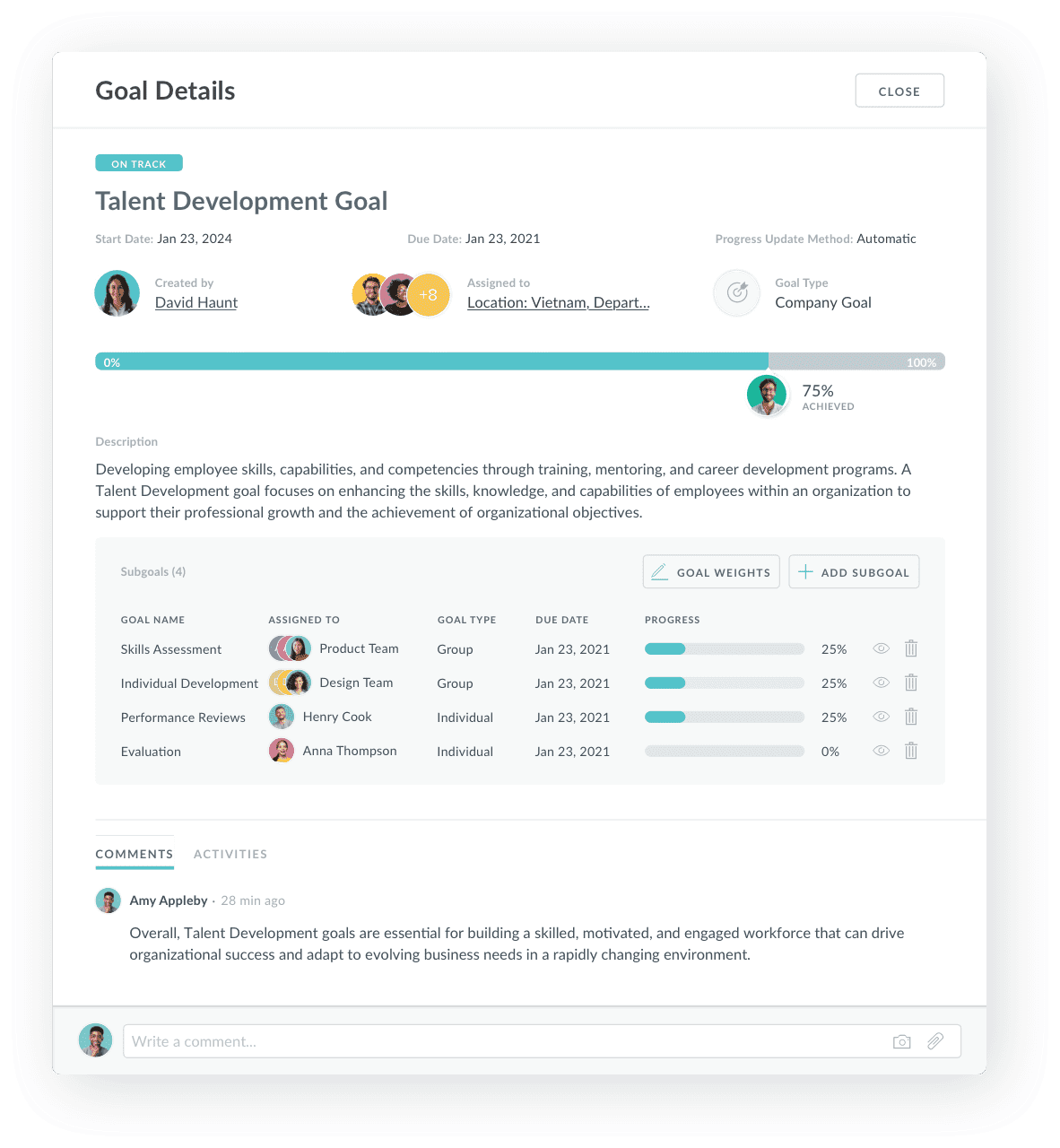
The Hidden Architecture of Ambition
We tend to think of goal tracking as a simple matter of checkboxes and deadlines—a linear path from intention to completion. Yet most of us have experienced the peculiar failure that occurs not from a lack of ambition, but from a lack of infrastructure. You set a target, you feel a surge of motivation, and then, within weeks, the trajectory dissolves into the static of daily life. The problem is not you. The problem is the system you are using. A true goal‑tracking system does not merely record progress; it alters the relationship between your present self and your future self, making the latter feel more real, more urgent, and more capable than the former believes possible. It promises a shift in perspective: instead of asking “Did I do the thing?” you begin to ask “Who am I becoming through this process?”