


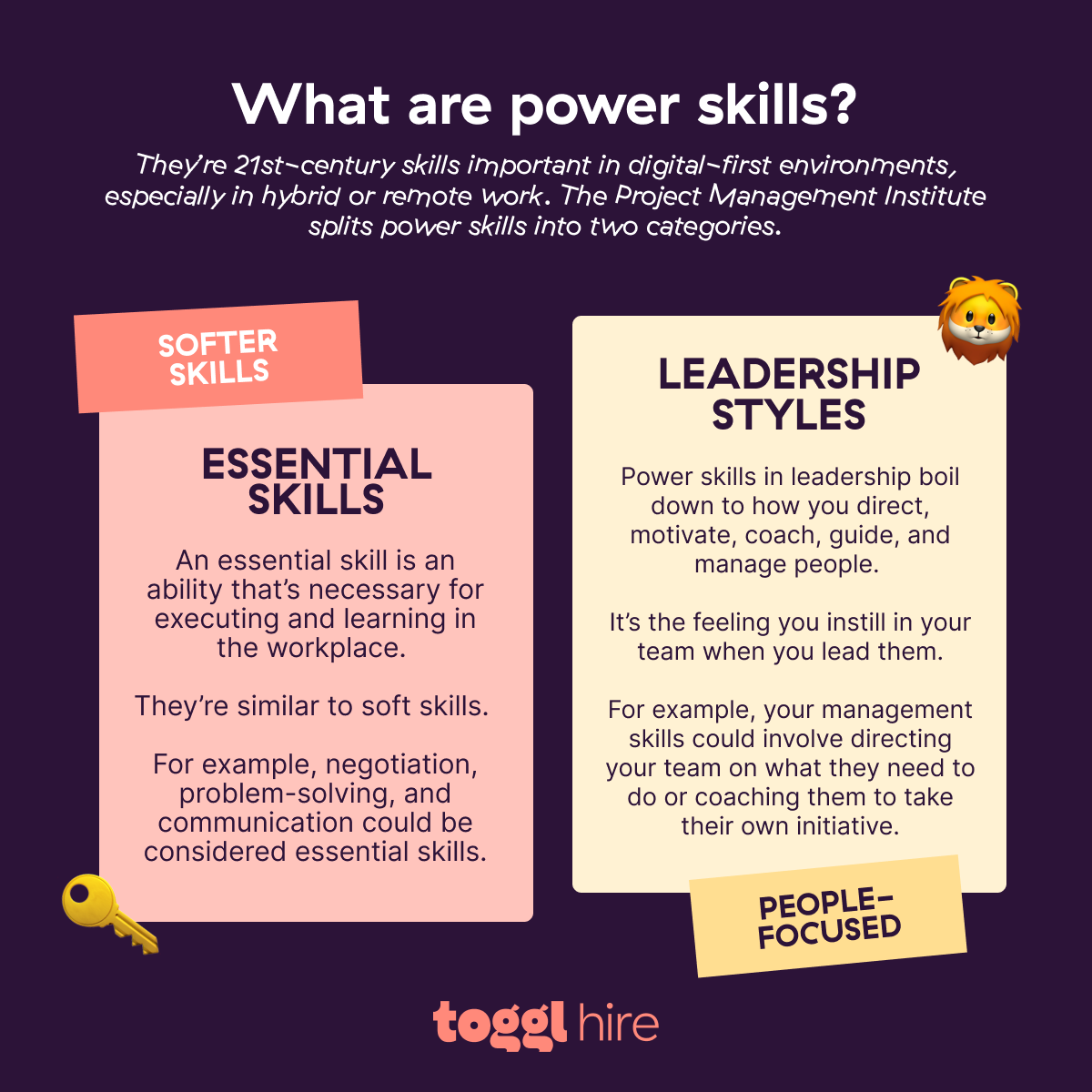
Have you ever wondered what happens when a tech titan like Google decides to swap out the clunky old “soft skills” label for something sleeker, sharper, and infinitely more powerful? What if the secret to their legendary innovation wasn’t just algorithms and AI, but the unspoken alchemy of power skills? Buckle up, because we’re about to dive into the electrifying world of Power Skills Training at Google—where curiosity met capability, and the results rewrote the rules of corporate growth.
Ajarn Forum Latest Articles
The Hybrid Work Productivity Blueprint
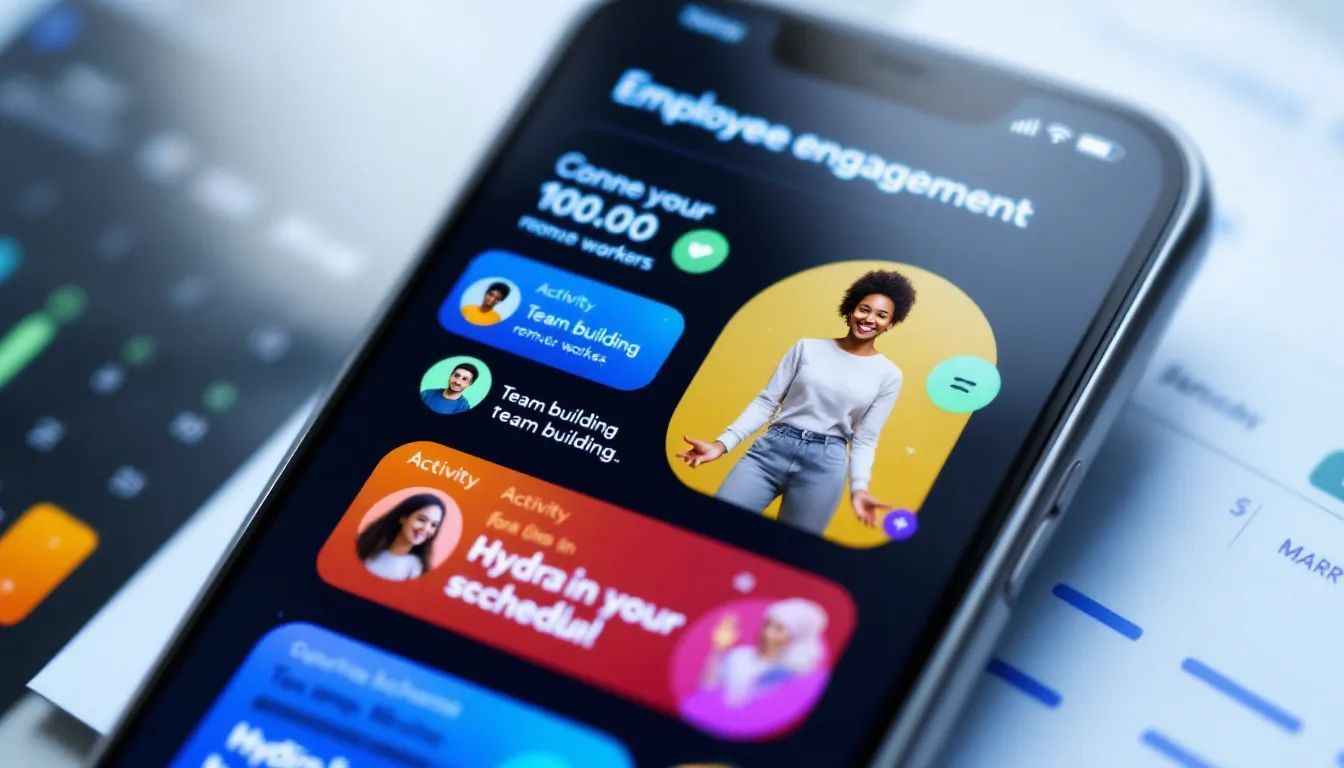
Is Your Productivity Actually a Prison?
Picture this: you roll out of bed at 8:59 a.m., shove a granola bar in your mouth, and click “Join Meeting” while still in your pajama pants. Your inbox is an abattoir of “just circling back” emails, and your Slack is a carnival of memes and frantic status updates. By noon, you’ve fought three fires, attended two meetings that could have been emails, and produced exactly zero deep work. Yet, by every metric of the modern office—responsiveness, visibility, “busyness”—you feel productive. Are you, though? Or have you simply mastered the art of looking productive?
Generative AI for Creative Writing (Ethical Use)

In the hushed glow of a writer’s midnight lamp, where ink once bled into paper like molten starlight, a new kind of scribe now hums to life—not with trembling hands, but with electric thought. Generative AI, that silent architect of syntax and imagination, has begun to whisper its verses into the world, reshaping not just how stories are told, but why they are told at all. It promises to unshackle creativity from the tyranny of blank pages, to democratize the art of narrative, and to invite every voice—regardless of skill or station—into the grand chorus of human expression. Yet, with such transformative power comes a shadow: the ethical labyrinth of authenticity, ownership, and intent. To wield this tool wisely is not merely to write with AI, but to write *with* it—mindfully, ethically, and with a reverence for the stories that came before.
The Lifestyle Systems That Improve Daily Flow
.png?strip=all)
The Architecture of Unconscious Momentum
Most people treat flow as a mystical accident—a rare alignment of mood, caffeine, and quiet. They wait for the moment to strike, believing that productivity is a matter of inspiration rather than infrastructure. This is a tragic misunderstanding. The truth is that daily flow is not a gift; it is a structural achievement. The difference between a chaotic day and a seamlessly productive one is not willpower. It is the invisible architecture of systems that you have placed between yourself and the friction of decision-making. Shift your perspective from seeking motivation to designing momentum, and you will find that the most profound flow states are the ones you never notice happening.
The Personal Growth Rituals of Successful People
The Architect’s Morning: Forging the Skeleton of the Day
Consider the day a raw, unshaped block of marble. Most people wake up and immediately begin chipping away at it with a dull chisel—reaching for the phone, answering the first email, reacting to the world before they have even defined their own existence. Successful individuals, however, act as master architects. Before the first chisel strike, they have a blueprint. Their first ritual is the deliberate, almost ceremonial act of building the day’s internal structure before the external noise can collapse it.
ROI of a Sustainability Micro-Credential for Construction Workers
Ever wondered if a micro-credential in sustainability could be the secret weapon in a construction worker’s career arsenal? In an industry where every brick laid and every beam hoisted carries the weight of environmental responsibility, could a short, focused credential be the game-changer that turns compliance into competitive advantage? The answer isn’t just about ticking boxes—it’s about building a future where skill meets sustainability, and where every worker becomes a steward of change. But here’s the twist: what if the real return on investment isn’t just in the wallet, but in the very foundations of how we construct our world?
ESG Integration in Quantitative Investment Models

Have you ever wondered how a computer could possibly care about the planet? Not in the way a human does—with guilt over skipped recycling or the warmth of a sunrise—but with the cold, precise logic of algorithms, spreadsheets, and relentless data streams? Welcome to the curious world of ESG integration in quantitative investment models, where morality meets mathematics, and sustainability isn’t just a buzzword—it’s a benchmark. But here’s the twist: what if the numbers don’t always tell the full story? What if the very tools we trust to quantify virtue are missing the forest for the trees? Let’s dive into this fascinating paradox, where finance meets ethics, and where the future of investing might just depend on whether we can teach machines to see what we’ve overlooked.
Generative AI Ethics Policy Template for HR
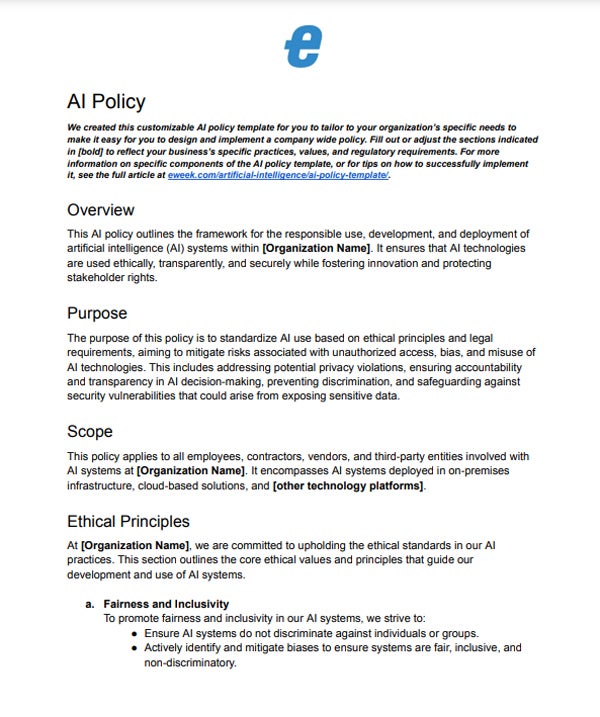
Have you ever wondered what happens when your HR department starts treating generative AI like a caffeine-fueled intern—brilliant, unpredictable, and occasionally spilling coffee on the company’s reputation? Welcome to the wild frontier of workplace AI ethics, where the line between innovation and chaos blurs faster than a deepfake of your CEO announcing a surprise holiday. Crafting a generative AI ethics policy isn’t just about ticking compliance boxes; it’s about building a digital guardrail system that keeps your organization from veering into the ditch of unintended consequences. Let’s dive into the essentials of designing a policy that’s as robust as it is adaptable, ensuring your workforce and your AI tools coexist in harmony—or at least without a PR nightmare.
The Communication Rituals of Top Performers

The Architecture of Influence: Building the Cathedral of Dialogue
In the sprawling ecosystem of professional achievement, a quiet truth often goes unspoken: the distance between competence and brilliance is rarely measured in technical skill, but in the invisible architecture of conversation. Top performers do not merely communicate—they construct cathedrals of dialogue with every exchange. Their words are not sounds but structural beams; their silences are not voids but intentional spaces designed to hold weight. Observing them is like watching a master carpenter who never saws against the grain, who knows that the most powerful joints are invisible to the untrained eye. This is not about loudness or verbosity. It is about the ritual precision of shaping meaning before it ever touches air.
The Productivity Secrets of Top Entrepreneurs
The Black Box of the Mind: Unearthing the Foundry of Flow
Every entrepreneur knows the friction of a stalled engine. The morning coffee goes cold while the cursor blinks on a blank screen. Phone calls are returned with a sigh, and the day’s ambition collapses under the weight of reactive chaos. This is not a story about time management—time is a fixed, unyielding river. True productivity is about velocity, the rate at which you convert intention into tangible momentum. To study the elite entrepreneur is to study a strange alchemy, a process of forging steel in the sanctum of their own consciousness. They have learned to build a private foundry where distraction is the slag and focus is the unbreakable blade.