


In the vast ocean of professional development, micro-credentials are the lighthouses guiding learners through choppy waters toward skill mastery. Imagine crafting one of these beacons in just eight weeks—no stormy seas, just a steady, purposeful voyage. This is the challenge educators and innovators face when designing micro-credential programs: a sprint of creativity, strategy, and precision. But what if this sprint could be transformed into a symphony of efficiency, where every note resonates with learner needs and institutional goals? Let’s embark on this journey together, mapping out a meticulous eight-week blueprint to birth a micro-credential program that shines brighter than a supernova in the education cosmos.
The Genesis: Laying the Foundation in Week 1
Every masterpiece begins with a single brushstroke. In the first week, your canvas is blank, but your vision is crystal clear. Start by defining the raison d’être of your micro-credential—why does it exist? Is it to bridge a skills gap in the workforce, empower lifelong learners, or revolutionize a niche industry? Anchor your program in a compelling narrative that answers the eternal question: “Why should anyone care?”
Next, assemble your dream team—a blend of instructional designers, subject matter experts, and tech-savvy pioneers. This isn’t a committee; it’s a think tank where ideas collide and coalesce into brilliance. Define roles with surgical precision: who will curate content, who will design assessments, and who will navigate the labyrinth of accreditation? Clarity here prevents chaos later.
Finally, conduct a landscape audit—a reconnaissance mission to scout competitors and allies. Who else offers similar micro-credentials? What can you learn from their triumphs and missteps? This reconnaissance isn’t about imitation; it’s about innovation. Chart the terrain, then carve your own path.
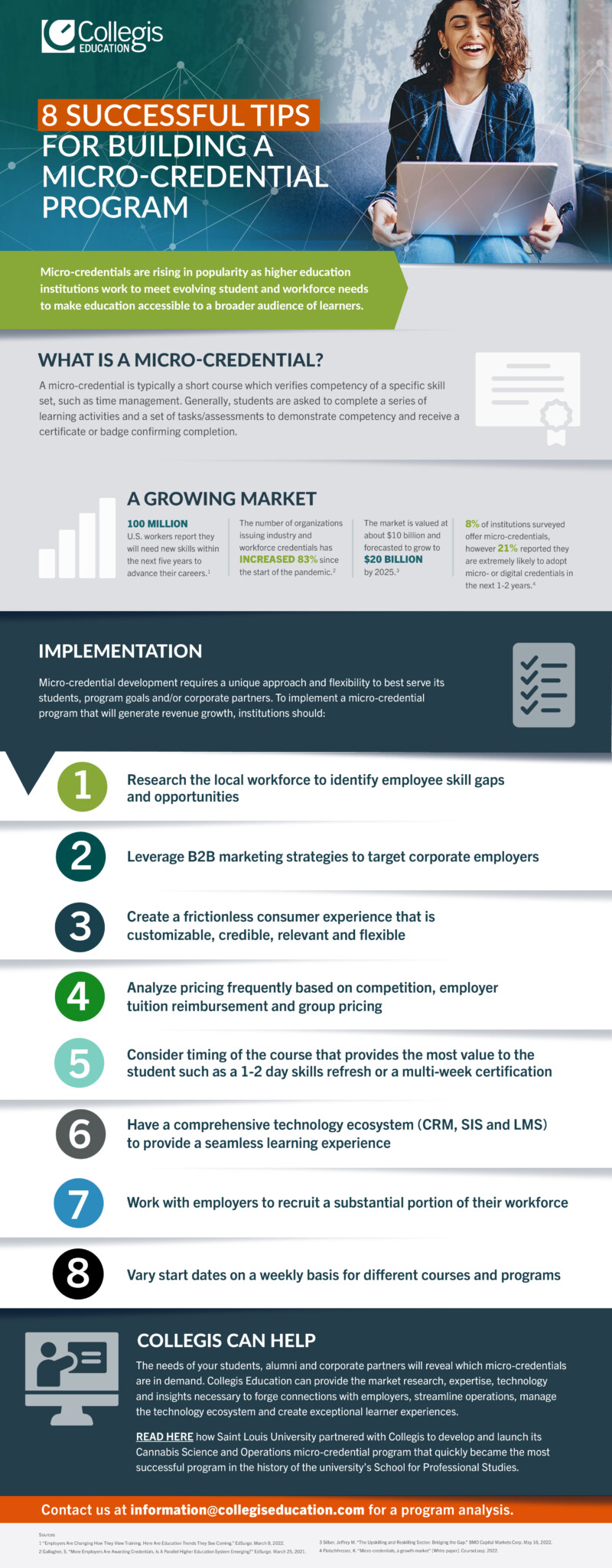
Blueprinting Brilliance: Week 2’s Architectural Marvel
With the foundation set, it’s time to architect the program’s skeleton. This week is all about blueprinting brilliance—transforming abstract goals into tangible structures. Begin with a learner persona exercise: who is your ideal participant? Are they a harried professional seeking respite from career stagnation, or a fresh graduate hungry for distinction? Paint a vivid portrait of their aspirations, fears, and daily rhythms.
Now, draft the program’s learning outcomes with the precision of a master watchmaker. Each outcome should be a cog in a larger machine, propelling learners toward tangible mastery. Avoid vague aspirations like “learn digital marketing”; instead, aim for “design a data-driven marketing campaign using SEO and analytics tools.” Specificity breeds success.
Map the learning journey as if it were a hero’s quest. Every module is a chapter, every assessment a trial. Use a visual flowchart to ensure the path is intuitive, engaging, and free of dead ends. Remember, a micro-credential isn’t just a course—it’s an experience.
The Alchemy of Content: Weeks 3 and 4
Content is the lifeblood of your program, and these two weeks are dedicated to its alchemy—transforming raw materials into gold. Start by curating a knowledge repository, a treasure trove of articles, videos, podcasts, and case studies. But don’t just amass; curate with intent. Every piece should serve a purpose, whether to inform, inspire, or provoke thought.
Next, design micro-learning modules—bite-sized lessons that respect the learner’s time and attention span. Think of these modules as cognitive snacks, each one nourishing yet easy to digest. Use multimedia to cater to diverse learning styles: infographics for visual learners, interactive simulations for kinesthetic ones, and concise audio clips for auditory enthusiasts.
Incorporate real-world challenges to ground theory in practice. A micro-credential on project management isn’t complete without a simulated project where learners must navigate scope creep and stakeholder demands. These challenges are the crucible in which skills are forged.
Assessment Alchemy: Weeks 5 and 6
Assessments are the litmus test of your program’s efficacy. In these weeks, you’ll transmute traditional testing into evidence-based evaluations. Ditch the multiple-choice quizzes that measure rote memorization; instead, design assessments that mirror real-world tasks. A portfolio review, a capstone project, or a peer-reviewed case study analysis will reveal true competency.
Implement formative assessments throughout the program to provide learners with real-time feedback. These aren’t just checkpoints; they’re growth accelerators, offering insights that help learners pivot and refine their approach. Use rubrics that are transparent and rubric-based, ensuring fairness and clarity.
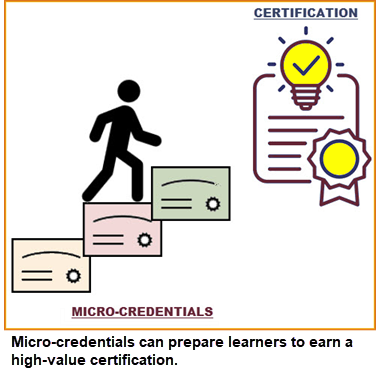
Consider incorporating badges and micro-certifications as visual milestones. These digital emblems aren’t just rewards; they’re social currencies, signaling to employers and peers that the holder has achieved a specific level of mastery. Design them with care—they’re the face of your program.
Tech and Triumph: Weeks 7 and 8
The final stretch is where your program transitions from concept to reality. This is the era of tech integration—selecting and deploying the digital infrastructure that will host your micro-credential. Choose a learning management system (LMS) that aligns with your needs: intuitive for learners, robust for administrators, and scalable for future growth. Platforms like Moodle, Canvas, or even specialized micro-credential tools like Credly or Accredible can be your allies.
Optimize the user experience (UX) with the fervor of a Michelin-starred chef. Every click should feel like a seamless dance, every page load a whisper of efficiency. Conduct usability testing with a small cohort of beta testers—real learners who will uncover hidden friction points. Their feedback is the compass that guides your final refinements.
Finally, launch with a fanfare. Craft a marketing campaign that sings the program’s praises. Leverage social media, email sequences, and partnerships with industry influencers to spread the word. Highlight the program’s unique appeal—its brevity, its relevance, its transformative power. Remember, a great program deserves a great debut.
The Ripple Effect: Beyond the Eight Weeks
Your micro-credential program is now a living entity, a beacon in the educational landscape. But the journey doesn’t end here. Monitor its performance with the vigilance of a lighthouse keeper. Track enrollment rates, completion rates, and learner satisfaction. Gather testimonials and success stories—they’re the social proof that will attract future cohorts.
Iterate relentlessly. Use data to refine content, assessments, and delivery. Stay attuned to industry trends and learner needs, ensuring your program remains a moving target—always evolving, always relevant. Celebrate milestones, but never rest on laurels. The world of micro-credentials is dynamic, and your program must dance with its rhythm.

The eight-week odyssey of creating a micro-credential program is a testament to the power of vision, strategy, and execution. It’s a journey where chaos is tamed, ideas are refined, and dreams take tangible form. As you stand at the helm of this educational vessel, remember: you’re not just building a program; you’re sculpting futures. Each learner who completes your micro-credential is a ripple in the pond of progress, and your creation is the stone that started the wave. Now, go forth and illuminate the path to mastery.
Leave a comment