


The ethical implications of genetic data have surged to the forefront of modern discourse, particularly as advancements in genomics blur the lines between personal health and corporate interests. In an era where DNA can reveal predispositions to diseases, behaviors, and even ancestral origins, the question of who controls this information—and how it’s used—has become a battleground of morality, legislation, and corporate ethics. Nowhere is this tension more palpable than in the realms of insurance and employment, where genetic data can dictate access to essential services or career opportunities. This article delves into the multifaceted ethical dilemmas surrounding genetic data, exploring the risks, safeguards, and the delicate balance between innovation and exploitation.
The Double-Edged Sword of Genetic Predictive Power
Genetic data is a treasure trove of predictive insights, capable of foretelling an individual’s susceptibility to ailments like Alzheimer’s, Huntington’s disease, or certain cancers. While this knowledge empowers individuals to take preemptive health measures, it also presents a Faustian bargain: the potential for discrimination based on genetic predispositions. Insurers and employers, armed with this data, could theoretically cherry-pick clients or candidates, excluding those deemed “high-risk” before they even exhibit symptoms. The ethical quagmire deepens when considering the hereditary nature of genetic traits—discriminating against one person could inadvertently penalize their bloodline, creating a cycle of genetic stigma.
Consider the case of a healthy individual who learns they carry the BRCA1 gene mutation, which significantly increases their risk of breast cancer. While this knowledge might prompt proactive screening or lifestyle changes, it could also lead to skyrocketing insurance premiums or outright denial of coverage. Similarly, an employer might hesitate to hire someone with a genetic predisposition to a neurodegenerative disorder, fearing long-term absenteeism or healthcare costs. The irony? Genetic data, meant to democratize health awareness, could instead entrench systemic inequities, disproportionately affecting marginalized communities with higher genetic predispositions to certain diseases.
The Legal Labyrinth: Protections and Loopholes
In response to these ethical concerns, several jurisdictions have enacted legislation to shield individuals from genetic discrimination. The United States’ Genetic Information Nondiscrimination Act (GINA) of 2008 stands as a landmark, prohibiting health insurers and employers from using genetic data to make coverage or hiring decisions. Yet, GINA’s protections are far from comprehensive. It excludes life insurance, disability insurance, and long-term care insurance, leaving gaping chasms in the legal armor against genetic discrimination. Moreover, the law’s reach doesn’t extend to the military or federal employees, creating a patchwork of protections that vary wildly depending on one’s employment status or geographic location.
Internationally, the landscape is equally fragmented. The European Union’s General Data Protection Regulation (GDPR) offers robust protections for genetic data, classifying it as a special category of personal data requiring explicit consent for processing. However, even GDPR’s stringent rules have exceptions, particularly in the name of “public interest” or “scientific research,” which can be exploited to bypass consent. Meanwhile, countries like China and India lack comprehensive genetic privacy laws, leaving citizens vulnerable to unchecked corporate or governmental exploitation of their genomic data. The absence of global harmonization means that multinational corporations could exploit weaker regulations in certain regions, turning genetic data into a commodity traded across borders.
Employment: The Hidden Cost of Genetic Transparency
In the workplace, genetic data can become a double-edged scalpel, slicing through both opportunity and privacy. Employers may argue that genetic predispositions to workplace hazards—such as a heightened sensitivity to certain chemicals—justify differential treatment, but this logic quickly spirals into eugenics-adjacent territory. The specter of “genetic profiling” looms large, where employees are categorized based on their DNA, not their skills or work ethic. This isn’t mere dystopian speculation; companies have already attempted to use genetic data to screen out candidates perceived as “high-risk,” despite the lack of scientific consensus on the predictive value of many genetic markers.
Consider the ethical implications of a company using genetic data to deny employment to someone with a predisposition to a condition that could manifest decades later. Is this proactive risk management, or a thinly veiled form of discrimination? The answer hinges on whether genetic data is treated as immutable destiny or as one of many factors in a holistic assessment of an individual’s potential. The latter approach aligns with principles of equity and human dignity, while the former risks reducing people to their DNA, stripping them of agency and reducing their worth to a probabilistic algorithm.
Moreover, the psychological toll of genetic transparency in the workplace cannot be overstated. Employees may feel compelled to undergo genetic testing to “prove” their fitness for a role, creating a coercive environment where consent is no longer voluntary but a prerequisite for career advancement. This pressure could exacerbate existing power imbalances, particularly in industries where job security is already precarious. The ethical imperative here is clear: genetic data in employment must be treated with the same reverence as other sensitive personal information, such as medical records or sexual orientation, and its use must be strictly regulated to prevent exploitation.
Insurance: The Commodification of Genetic Risk
In the insurance industry, genetic data has the potential to revolutionize actuarial science, enabling hyper-personalized premiums based on an individual’s genetic risk profile. While this could lead to more accurate pricing models, it also risks creating a tiered system where those with “unfavorable” genetics are priced out of essential services. The ethical dilemma is stark: should insurance be a mechanism for shared risk, or a tool for risk stratification? The former fosters solidarity and collective responsibility, while the latter transforms insurance into a punitive system where genetic luck determines access to healthcare.
Imagine a world where a young adult learns they carry the APOE-e4 gene, which increases their risk of Alzheimer’s by up to 15 times. Under a genetic-based insurance model, their premiums could skyrocket, making healthcare unaffordable long before symptoms appear. This isn’t just a hypothetical—it’s a scenario that could become reality if insurers are granted unfettered access to genetic data. The ethical counterargument is that genetic data could also lead to lower premiums for those with “favorable” genetics, but this ignores the broader societal implications. A system that rewards genetic privilege while penalizing genetic vulnerability risks deepening social divides and entrenching health disparities.
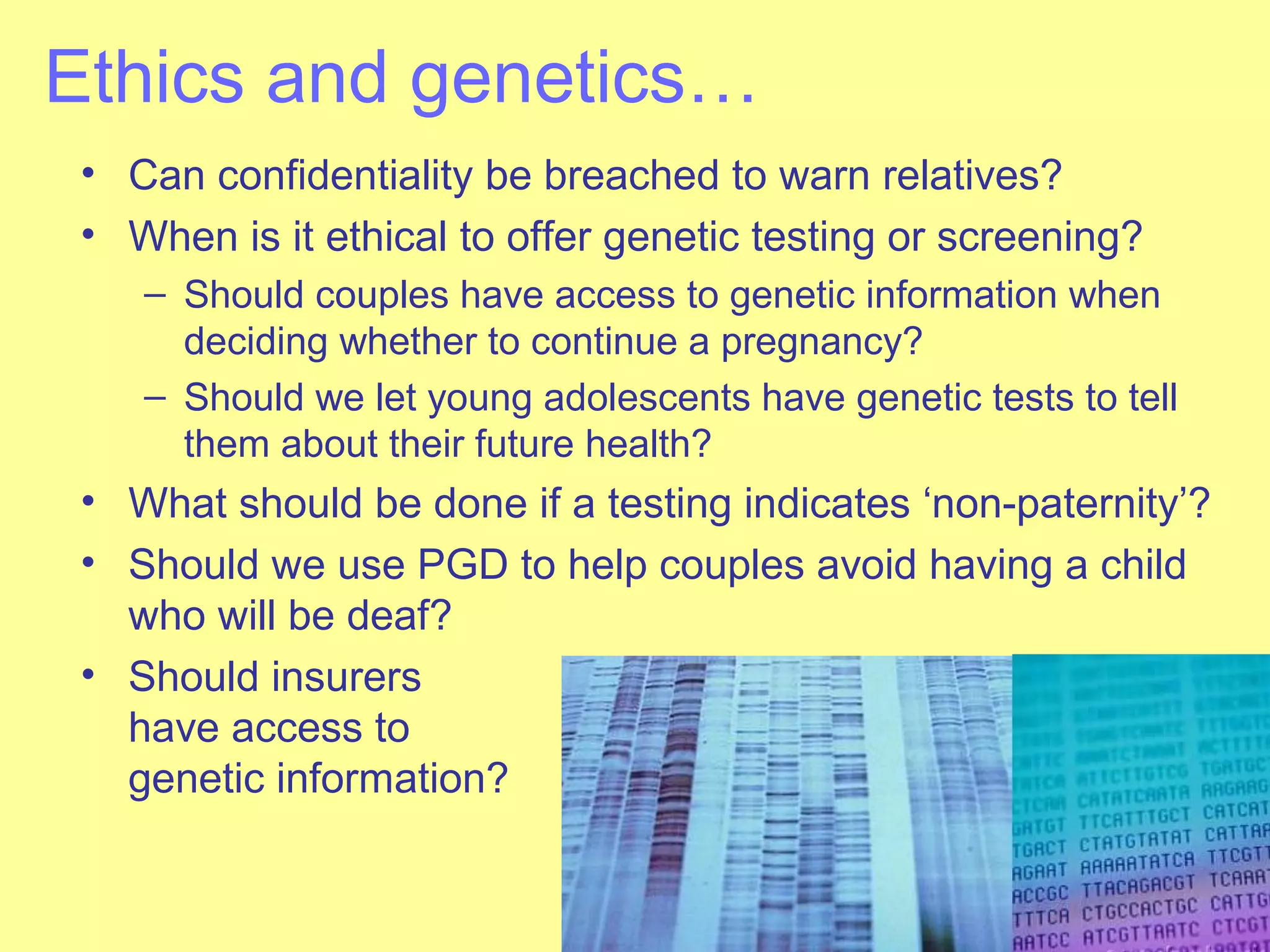
Informed Consent: The Illusion of Autonomy
At the heart of the genetic data debate lies the concept of informed consent—a cornerstone of ethical data usage. However, the reality is far more complex. Genetic data is inherently familial; a person’s DNA is a shared legacy with their relatives, meaning that one individual’s decision to share their genetic data could inadvertently expose their entire family to discrimination or privacy breaches. This raises profound ethical questions: Can consent truly be “informed” when it affects others? Should genetic data be treated as a communal resource, or as the exclusive property of the individual who provides it?
The challenge is compounded by the opacity of genetic testing companies, many of which obscure the terms of data sharing in dense, jargon-filled privacy policies. Consumers are often unaware that their genetic data could be sold to third parties, used for research without their explicit consent, or even accessed by law enforcement agencies. The ethical imperative here is to demand transparency and accountability from genetic testing companies, ensuring that individuals retain true ownership of their genetic information and have the power to revoke consent at any time.
The Future: Balancing Innovation and Ethics
The ethical landscape of genetic data is not static; it evolves alongside technological advancements and societal values. As CRISPR and other gene-editing technologies become more accessible, the stakes will only grow higher. The ethical framework for genetic data must therefore be proactive, not reactive, anticipating future challenges rather than playing catch-up. This requires a multi-stakeholder approach, involving policymakers, ethicists, corporations, and the public in a continuous dialogue about the boundaries of genetic data usage.
One potential solution lies in the adoption of “genetic data trusts,” where individuals pool their genetic information in a collective repository governed by ethical guidelines. This model could democratize access to genetic insights while ensuring that data is used for the public good rather than corporate profit. Additionally, the development of “ethical AI” frameworks could help mitigate the risks of algorithmic discrimination, ensuring that genetic data is analyzed in a manner that prioritizes equity and human dignity over profit margins.
Ultimately, the ethical use of genetic data in insurance and employment hinges on a fundamental question: Do we view genetic information as a human right or a commodity? The answer will shape the trajectory of healthcare, employment, and social equity for generations to come. By fostering a culture of transparency, consent, and collective responsibility, we can harness the power of genetic data without succumbing to its darker impulses. The future of genomics is not predetermined—it is a canvas upon which we must paint our ethical values, one brushstroke at a time.
Leave a comment