


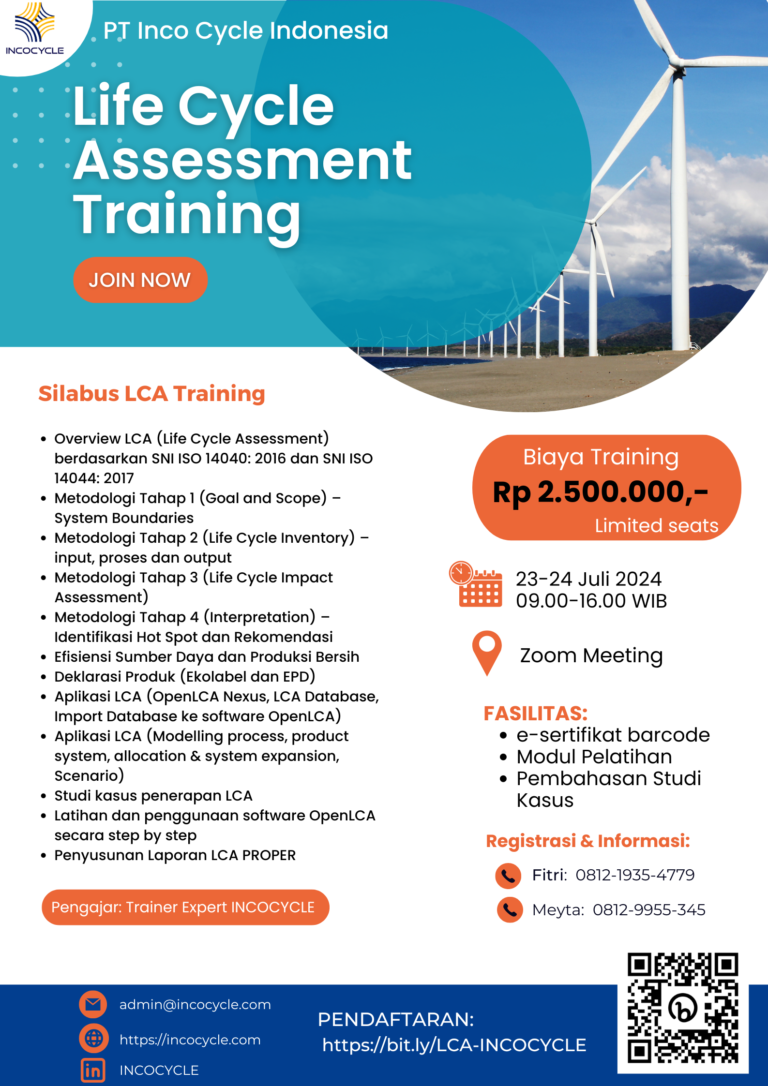
In an era where sustainability is no longer a buzzword but a non-negotiable pillar of corporate strategy, Life Cycle Assessment (LCA) software training has emerged as a transformative force. It equips professionals with the analytical prowess to quantify environmental impacts, optimize resource use, and drive innovation across industries. Whether you’re a sustainability consultant, a product designer, or a corporate strategist, mastering LCA software unlocks the ability to make data-driven decisions that align with global sustainability goals. This comprehensive guide explores the multifaceted world of LCA software training, detailing the types of content you can expect and how it can elevate your expertise.
Imagine a tool that doesn’t just measure carbon footprints but dissects the entire lifecycle of a product—from raw material extraction to end-of-life disposal—revealing hidden inefficiencies and opportunities for improvement. LCA software does precisely that, and training in these tools transforms abstract sustainability concepts into actionable insights. The journey begins with understanding the foundational principles of LCA, progresses through hands-on software tutorials, and culminates in real-world applications that bridge theory and practice. Let’s delve into the rich tapestry of content designed to turn novices into proficient LCA practitioners.
The Anatomy of LCA: From Cradle to Grave
Before diving into software, it’s essential to grasp the core framework of LCA, which is built on four iterative phases: goal and scope definition, inventory analysis, impact assessment, and interpretation. Each phase serves a distinct purpose, yet they are interconnected in a dynamic loop that refines the assessment with each iteration. Training modules often start here, dissecting these phases with precision. For instance, the goal and scope phase isn’t merely about setting boundaries; it’s about defining the functional unit—the quantifiable performance of a product system that serves as the basis for comparison. A functional unit could be “one kilogram of recyclable packaging material,” ensuring that comparisons between alternatives are apples-to-apples.
The inventory analysis phase is where the magic of data collection unfolds. Trainees learn to gather raw data on resource inputs (energy, water, materials) and environmental outputs (emissions, waste, byproducts) across the product lifecycle. This phase is data-intensive, requiring meticulous attention to detail. Software training often includes case studies where trainees analyze datasets for products like electric vehicles or biodegradable plastics, learning to navigate databases like ecoinvent or GaBi, which house thousands of pre-validated datasets. The impact assessment phase then translates these inventories into environmental impacts, such as global warming potential or eutrophication, using characterization factors. Here, trainees explore how different impact assessment methods—like ReCiPe or TRACI—yield varying insights, emphasizing the importance of method selection based on regional and sectoral nuances.
The final phase, interpretation, is where the rubber meets the road. Trainees are taught to critically evaluate results, identify hotspots, and communicate findings effectively. This phase often includes sensitivity analysis, where trainees tweak variables to see how changes in assumptions or data inputs alter outcomes. For example, they might explore how sourcing recycled aluminum instead of virgin aluminum affects a product’s carbon footprint. By the end of this module, learners not only understand LCA’s theoretical underpinnings but also appreciate its role as a dynamic, iterative process.
Software Deep Dive: Mastering the Digital Toolkit
With the foundational knowledge in place, the next step is immersing oneself in LCA software. Training programs typically offer in-depth tutorials for industry-standard tools like SimaPro, OpenLCA, or Brightway2, each with its unique strengths. SimaPro, for instance, is renowned for its user-friendly interface and extensive database, making it a favorite for beginners and seasoned practitioners alike. Trainees start with basic operations—creating projects, importing datasets, and building product systems—before advancing to more complex tasks like scenario analysis and Monte Carlo simulations for uncertainty quantification.
OpenLCA, an open-source alternative, appeals to those seeking customization and transparency. Training in OpenLCA often includes modules on scripting with Python, allowing trainees to automate repetitive tasks or develop custom impact assessment methods. This level of granularity is invaluable for researchers or consultants working in niche sectors. Brightway2, another open-source gem, is favored for its integration with Python libraries like Pandas and NumPy, enabling advanced data manipulation and visualization. Trainees here learn to leverage Jupyter notebooks to create dynamic, reproducible LCA workflows, a skill that sets them apart in the job market.

Beyond the mechanics of software operation, training programs emphasize best practices for data quality and management. Trainees learn to assess data pedigree—evaluating the reliability, completeness, and temporal relevance of datasets. They also explore how to handle missing data, whether through proxy data, expert elicitation, or conservative assumptions. This attention to detail ensures that LCA results are not just accurate but also defensible in regulatory or stakeholder contexts. Additionally, modules on software-specific features, such as SimaPro’s EcoInvent integration or OpenLCA’s pedigree matrix tool, provide trainees with the tools to conduct LCAs with rigor and precision.
Real-World Applications: Bridging Theory and Practice
The true test of LCA software training lies in its application to real-world challenges. Training programs often incorporate case studies that mirror the complexities of modern industry, from cradle-to-gate assessments of construction materials to cradle-to-cradle evaluations of consumer electronics. For example, trainees might analyze the lifecycle of a smartphone, evaluating the environmental trade-offs between lithium-ion batteries and emerging alternatives like solid-state batteries. This exercise not only reinforces software skills but also highlights the trade-offs inherent in sustainability decisions—for instance, a battery with lower energy consumption during use might have a higher impact during manufacturing.
Another common application is in the food and beverage sector, where trainees assess the lifecycle of plant-based versus animal-based proteins. Here, they grapple with nuances like land use change, water scarcity, and biodiversity loss, learning to quantify impacts beyond just carbon emissions. Training modules often include stakeholder engagement simulations, where trainees must present their findings to diverse audiences—from corporate executives to environmental NGOs—tailoring their communication to the audience’s priorities and knowledge levels. This skill is critical in a field where the ability to translate technical jargon into compelling narratives can drive organizational change.
Industry-specific training also delves into regulatory compliance, such as the ISO 14040/44 standards for LCA or the EU’s Product Environmental Footprint (PEF) guidelines. Trainees learn to align their assessments with these frameworks, ensuring that their work meets the stringent requirements of policymakers and certification bodies. For instance, a module on PEF might involve a hands-on exercise where trainees calculate the environmental footprint of a packaged food product, adhering to PEF’s 16 impact categories and normalization factors. This practical exposure prepares trainees to navigate the complex landscape of sustainability regulations with confidence.
Advanced Techniques: Pushing the Boundaries of LCA
For those seeking to elevate their expertise, advanced training modules explore cutting-edge techniques that push the boundaries of traditional LCA. One such technique is dynamic LCA, which accounts for temporal variations in environmental impacts, such as the gradual decarbonization of electricity grids over time. Trainees learn to model these dynamics using tools like Brightway2’s dynamic inventory capabilities, gaining insights into how future scenarios might alter current assessments. This approach is particularly relevant for long-lived products like buildings or infrastructure, where the environmental context is likely to evolve significantly over decades.
Another advanced topic is social LCA, which extends the traditional environmental focus to include social and socio-economic impacts. Trainees explore frameworks like the UNEP/SETAC guidelines for social LCA, learning to assess issues such as labor conditions, community impacts, and human rights violations across the supply chain. This holistic approach is increasingly demanded by consumers and investors who prioritize ethical sourcing and corporate social responsibility. Training modules often include case studies on sectors like fast fashion or mining, where social impacts are as critical as environmental ones.
Machine learning and artificial intelligence are also making inroads into LCA, offering new avenues for data analysis and predictive modeling. Trainees might explore how AI can automate data collection from satellite imagery or IoT sensors, or how machine learning models can predict environmental impacts based on product design parameters. For example, a module on AI-driven LCA might involve training a model to predict the carbon footprint of a new packaging material based on its composition and manufacturing process. These advanced techniques not only enhance the accuracy of LCAs but also open doors to innovative applications, such as real-time sustainability monitoring or AI-assisted eco-design.
Career Pathways: From Training to Impact
The skills acquired through LCA software training open doors to a wide range of career pathways, each with its unique opportunities and challenges. Sustainability consultants, for instance, leverage LCA expertise to advise companies on reducing their environmental footprint, often working on projects that span multiple industries. Training programs often include modules on consulting best practices, such as how to scope projects, manage client expectations, and deliver actionable recommendations. Trainees also learn to navigate the business landscape, understanding how sustainability initiatives align with corporate goals like cost reduction, risk mitigation, and brand reputation.
For product designers and engineers, LCA training provides a powerful tool for eco-design, enabling them to integrate environmental considerations into the earliest stages of product development. Training modules often include workshops on design for disassembly, material substitution, and circular economy principles, equipping trainees with the skills to create products that are not just functional but also sustainable. For example, a module on eco-design might involve a hands-on exercise where trainees redesign a consumer product to minimize its lifecycle impacts, using LCA software to evaluate their choices.
In the public sector, LCA expertise is invaluable for policymakers and regulators tasked with developing sustainability policies or evaluating the environmental performance of products and services. Training programs often include modules on policy analysis, where trainees learn to assess the lifecycle impacts of regulations, subsidies, or procurement standards. For instance, a module on green public procurement might involve evaluating the lifecycle impacts of different materials for government buildings, ensuring that policy decisions are grounded in robust data. This career pathway is ideal for those passionate about driving systemic change and shaping the future of sustainable development.
The Future of LCA: Trends and Innovations
The field of LCA is evolving rapidly, driven by technological advancements, regulatory shifts, and growing societal demand for sustainability. One of the most significant trends is the integration of LCA with digital twins and Industry 4.0 technologies. Digital twins—virtual replicas of physical systems—enable real-time monitoring and optimization of environmental impacts, allowing companies to make data-driven decisions at scale. Training programs are beginning to incorporate modules on digital twins, teaching trainees how to use LCA data to inform predictive maintenance, supply chain optimization, and product lifecycle management.
Another emerging trend is the convergence of LCA with blockchain technology, which offers new opportunities for transparency and traceability in supply chains. Trainees explore how blockchain can be used to create immutable records of environmental data, from carbon emissions to water usage, ensuring that LCA results are verifiable and tamper-proof. For example, a module on blockchain might involve designing a smart contract that automatically updates an LCA database with real-time data from IoT sensors, providing stakeholders with a transparent view of a product’s environmental footprint.

The rise of circular economy principles is also reshaping the LCA landscape, with a growing emphasis on cradle-to-cradle assessments that prioritize reuse, recycling, and waste reduction. Training programs are responding by incorporating modules on circular economy strategies, such as designing for durability, modularity, and disassembly. Trainees learn to evaluate the environmental benefits of circular business models, from product-as-a-service to remanufacturing, using LCA software to quantify their impacts. This shift reflects a broader recognition that sustainability is not just about minimizing harm but about creating regenerative systems that give back to the planet.
Finally, the democratization of LCA tools is making sustainability assessment more accessible than ever. Open-source software like OpenLCA and Brightway2, combined with online training platforms and community-driven resources, are lowering the barriers to entry for LCA practitioners. Training programs are leveraging these tools to offer scalable, affordable education, empowering a new generation of sustainability professionals. Whether you’re a student, a professional, or an entrepreneur, the tools and knowledge to drive meaningful change are within reach.
The journey through LCA software training is more than an educational endeavor—it’s a gateway to becoming a steward of sustainability in a world that demands action. From mastering the foundational principles of LCA to exploring advanced techniques like dynamic modeling and social LCA, each step equips you with the skills to make a tangible difference. As industries evolve and regulations tighten, the demand for LCA expertise will only grow, offering endless opportunities to innovate, lead, and inspire. Whether you’re optimizing a product’s lifecycle, advising a corporation on its sustainability strategy, or shaping public policy, the knowledge and tools you gain through LCA training will be your compass in navigating the complex landscape of sustainability. The future is not just about reducing harm—it’s about creating value, resilience, and regeneration. And with LCA software training, you’re not just preparing for that future; you’re helping to build it.
Leave a comment