


The Paradox of Stillness in a Demanding World
There is a peculiar irony at the heart of modern productivity. We chase efficiency through to-do lists, time-blocking apps, and the relentless elimination of friction, yet our minds remain the most unreliable variable in the equation. A common observation among high performers is not that they work more hours, but that they somehow preserve a reservoir of calm amidst the chaos. This isn’t luck. It hints at something deeper: a deliberate recalibration of the mind’s relationship with time and urgency. The meditation routine designed for productivity is not about emptying the mind of thoughts, but about training the mind to inhabit the present moment with surgical precision. It is a quiet, almost rebellious act against the noise of constant doing.

The Architecture of a Productive Session
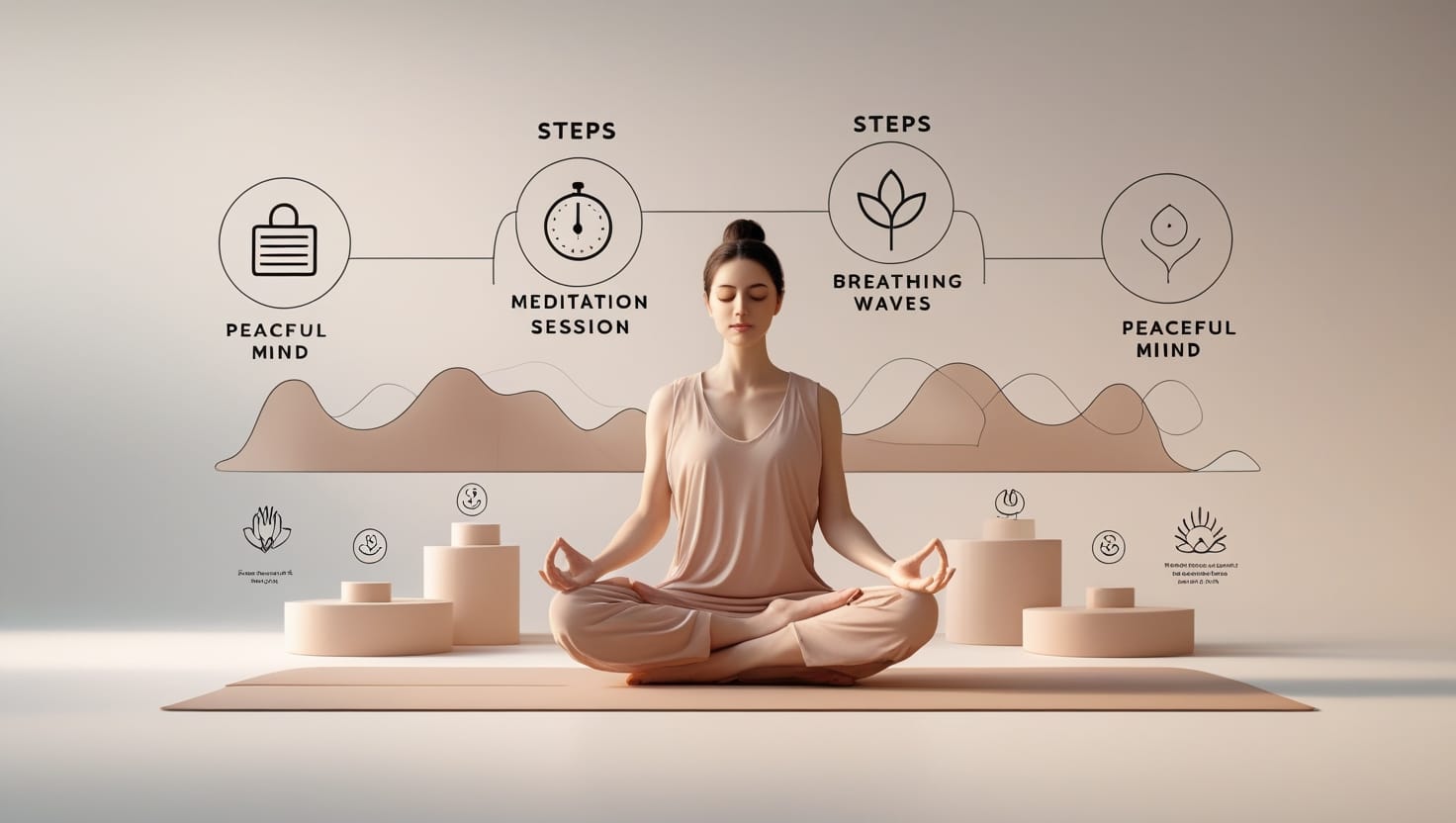
To understand why meditation enhances output, we must first dismantle the common misconception that it is a passive activity. A true productivity meditation routine is structured like a workout for the prefrontal cortex. It requires starting small: fifteen minutes in the morning, before the flood of email notifications and decision fatigue sets in. The key is not the duration, but the consistency. The routine itself becomes an anchor. You sit, breathe, and observe the relentless chatter of your mind—the fear of deadlines, the allure of distraction—without engaging. This micro-training strengthens the brain’s ability to resist the dopamine-driven pull of trivial tasks. Over weeks, the practitioner finds that the act of focusing on a single task becomes less of a struggle and more of a natural state.
Training the “Intention Muscle”
Productivity is not simply doing more; it is doing the right things with directed energy. Here, meditation offers a subtle but profound advantage. In a typical session, you are forced to set an intention—”I will bring my attention back to my breath.” This micro-action of redirecting focus is the very same neural pathway required to return to a difficult report after a notification interrupts your flow. The meditation routine that enhances productivity implicitly teaches the art of the pivot. You learn to acknowledge a distraction without resentment, and then gently, without self-criticism, guide your mind back to the primary objective. This emotional regulation is what separates the overwhelmed from the effective. The latter does not waste energy on the frustration of being interrupted; they simply resume.
Pre-Combating Cognitive Overload
Perhaps the most overlooked benefit is the role of meditation in preventing the “switching cost” tax. Every time we jump between projects, the brain pays a cognitive toll. The routine of sitting in stillness—often with eyes closed—acts as a cognitive reset button. After a session, the mind is less cluttered. The mental RAM is freed from background tasks like worrying about a presentation or replaying a tense conversation. This clarity allows for a deep immersion into work, often called “flow state.” The practitioner discovers that they can approach a complex problem not with frantic energy, but with a quiet, observant attention. They notice patterns and connections that a stressed, scattered mind would miss. In this sense, meditation does not make you work harder; it makes you work smarter by lowering the internal noise floor.
Integrating Stillness into the Workday
To be truly effective, this routine must not remain a morning ritual isolated from the work environment. The most successful practitioners integrate micro-meditations throughout the day. A two-minute pause before a difficult meeting, a breathing break before writing an important email, or a moment of stillness after lunch to reset the circadian rhythm. This is not about escaping work, but about returning to it with a fresher, more strategic perspective. Over time, the boundary between “meditating” and “working” dissolves. The work itself becomes a form of meditation—a focused, non-reactive engagement with the task at hand. The stillness you cultivate in the morning becomes the backdrop of your afternoon, a quiet hum of attention that undercuts the chaos.

The Slow Investment with Fast Returns
It is a fascinating contradiction: by stopping to do nothing, we become better at doing everything. The meditation routine that enhances productivity is not an escape from responsibility, but a profound return to it with a sharper mind and a steadier heart. The deeper reason for our fascination with this practice lies in its simplicity. It does not require new software, expensive equipment, or a radical life overhaul. It only asks that we sit quietly for a few minutes and pay attention. In return, it offers the most valuable currency of the modern age: the ability to choose where we place our focus. In a world that constantly demands our attention, the ability to withdraw it at will is the ultimate productivity hack—a quiet revolution conducted entirely within the silence of our own minds.
Leave a comment