


In the relentless pursuit of organizational excellence, few tools have reshaped the landscape of human insight as profoundly as Sentiment AI—particularly when wielded to dissect the raw, unfiltered voices of training participants. Every year, organizations invest billions in upskilling their workforce, yet the true measure of success often lies not in completion rates or quiz scores, but in the whispers and roars of feedback that echo through post-training surveys and debriefs. What if we could listen not just to what learners say, but to how they feel? What if we could detect the subtle tremors of disengagement before they erupt into full-blown dissatisfaction? Sentiment AI for training feedback analysis doesn’t just process words—it decodes emotions, anticipates friction, and transforms feedback into a living, breathing compass for continuous improvement.
Imagine a training program where every participant’s voice is not just heard, but understood in its emotional context. Sentiment AI doesn’t just tally responses; it interprets tone, detects sarcasm, and identifies emotional undercurrents that traditional analytics miss. It’s the difference between reading a report and feeling the pulse of the room. In an era where employee sentiment is both a barometer of culture and a driver of performance, leveraging AI to analyze training feedback isn’t just innovative—it’s essential. It turns the often-overlooked art of feedback into a strategic asset, revealing not just what learners think, but how they feel about the learning journey itself.

Why Training Feedback Deserves Emotional Intelligence
Training feedback is rarely neutral. It carries the weight of expectations, the sting of disappointment, and the warmth of validation. Yet, most organizations treat it as a transactional checklist—“Was the trainer effective?” “Was the content relevant?”—answered with a scale of 1 to 5. But numbers don’t tell the full story. A learner might rate a session 4 out of 5, yet their written comment brims with frustration: “Great content, but the pace was exhausting.” Another might give a 5, yet the tone in their voice during the debrief was flat, hollow, almost robotic. Sentiment AI doesn’t just read the stars—it reads the subtext.
This emotional layer is where the real gold lies. Disengagement often begins not with poor content, but with a sense of being unheard or undervalued. When learners feel their emotions are acknowledged—even anticipated—their trust in the training ecosystem deepens. Sentiment AI acts as an emotional translator, converting raw feedback into actionable insights. It identifies patterns of frustration before they escalate, detects enthusiasm that could be amplified, and surfaces emotional outliers that demand immediate attention. In doing so, it transforms feedback from a static report into a dynamic dialogue between learners and designers.
Moreover, sentiment analysis introduces a level of granularity that traditional surveys cannot match. It can distinguish between constructive criticism and outright disdain, between cautious optimism and genuine excitement. This nuance is crucial in training programs where the stakes are high—whether preparing new hires for critical roles or upskilling teams for emerging technologies. By capturing emotional sentiment, organizations move beyond reactive fixes and toward proactive empathy, ensuring that training isn’t just delivered, but truly resonates.
From Data Points to Empathy Engines: How Sentiment AI Works
The magic of Sentiment AI lies in its ability to blend linguistic sophistication with machine learning precision. It begins with natural language processing (NLP), which dissects text and speech to identify emotional cues—positive, negative, or neutral. But it doesn’t stop at sentiment classification. Advanced models incorporate contextual understanding, recognizing irony, humor, and even cultural nuances that might alter meaning. For instance, a comment like “Oh, great, another training on compliance” might be flagged not just as negative, but as sarcastic, indicating deeper resistance.
Beyond text, sentiment AI can analyze vocal tone, facial expressions (in video-based feedback), and even physiological responses in immersive learning environments. When integrated with voice-to-text systems, it can detect stress in a learner’s voice during a simulation or enthusiasm in their tone during a group discussion. This multimodal approach ensures that no emotional signal is overlooked, creating a holistic emotional profile of the learning experience.
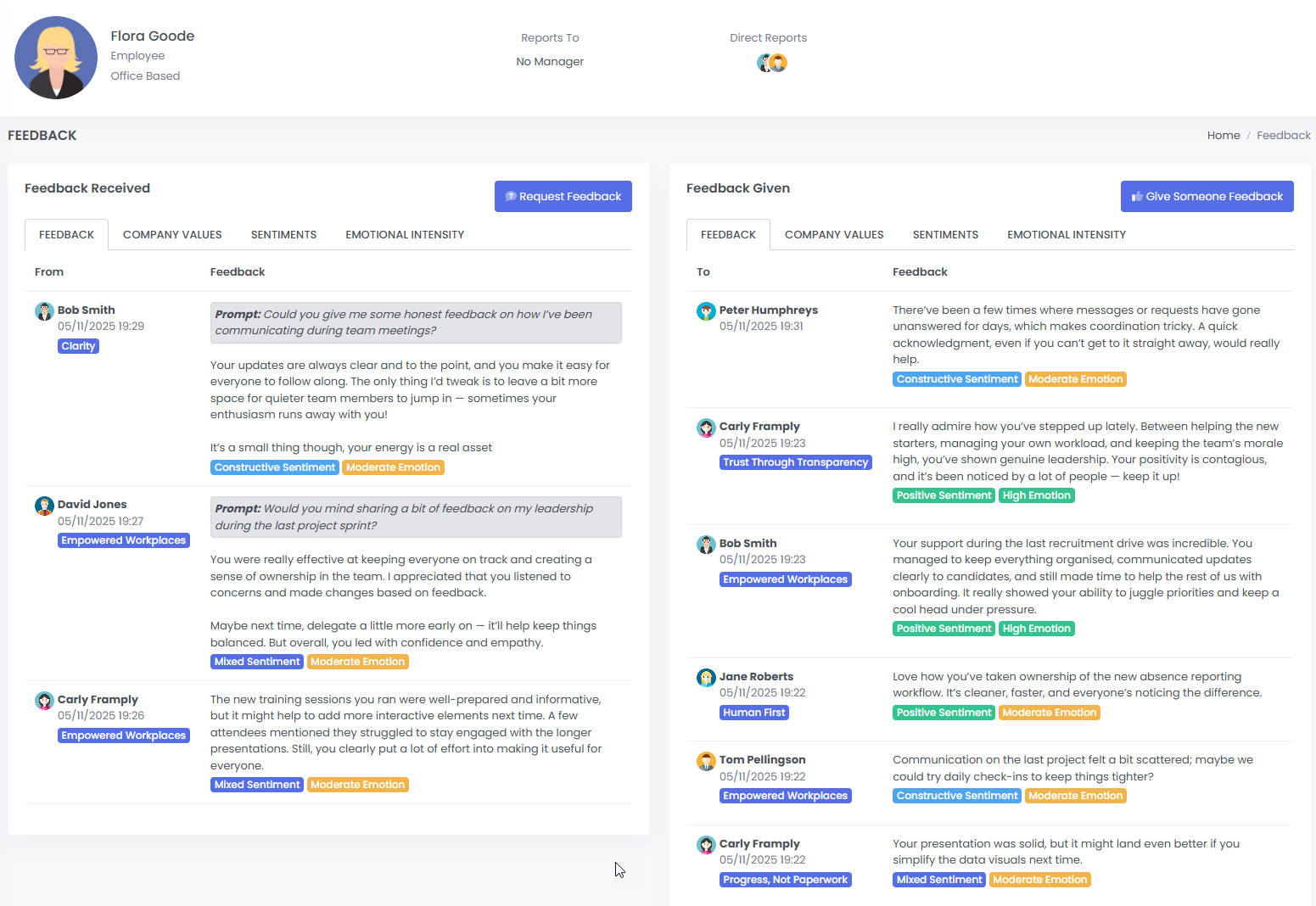
At its core, Sentiment AI operates through a pipeline of transformation. Raw feedback—whether written, spoken, or recorded—is first normalized and cleaned. Then, using pre-trained models fine-tuned on emotional datasets, it assigns sentiment scores and emotional categories (e.g., joy, frustration, confusion). These insights are then visualized in dashboards that highlight trends over time, emotional hotspots, and correlations between sentiment and performance metrics. For example, a sudden drop in positive sentiment might correlate with a spike in quiz errors, suggesting that emotional disengagement is impacting learning outcomes. This real-time feedback loop enables trainers and L&D teams to pivot strategies instantly, tailoring content or delivery methods to emotional needs.
What makes this technology particularly powerful is its adaptability. Sentiment models can be trained on domain-specific language—whether it’s the jargon of healthcare training or the technical terms of software development. They can also evolve with organizational culture, learning from new feedback patterns and adjusting their emotional baselines accordingly. In essence, Sentiment AI doesn’t just analyze feedback; it learns to speak the emotional language of your organization.
Detecting the Unspoken: Identifying Hidden Emotional Patterns
One of the most compelling aspects of Sentiment AI is its ability to uncover what learners don’t say outright. Emotions often hide in the gaps—between the lines of a survey, in the hesitation before a response, or in the absence of feedback altogether. Sentiment AI excels at detecting these silences and translating them into meaningful signals. For instance, a learner who consistently skips optional feedback sections might be signaling disengagement, even if their survey responses remain neutral. Similarly, a learner who provides overly verbose positive feedback might be masking underlying anxiety or imposter syndrome.
These hidden patterns are not just curiosities—they are early warning signs. By identifying clusters of emotional distress—such as frustration with pacing, confusion about assessments, or dissatisfaction with trainer expertise—organizations can intervene before small issues become systemic problems. Sentiment AI can also reveal emotional biases in feedback. For example, learners from certain departments might consistently rate training lower due to past experiences, while others might overrate it due to enthusiasm for the topic. Recognizing these biases allows for more equitable and accurate evaluations.
Another layer of insight comes from longitudinal analysis. By tracking sentiment across multiple training sessions, organizations can identify emotional trends that correlate with program changes. Did a shift to virtual training lower engagement? Did the introduction of gamified elements boost enthusiasm? Sentiment AI provides the emotional timeline needed to answer these questions, linking emotional shifts to specific interventions. This not only validates the impact of training innovations but also guides future design decisions with emotional intelligence at the forefront.
Empowering Trainers with Emotional Insights
Trainers are the frontline ambassadors of learning, yet they often operate with limited visibility into the emotional landscape of their participants. Sentiment AI democratizes emotional data, giving trainers real-time access to how learners are truly feeling. Imagine a trainer receiving an alert mid-session: “Positive sentiment is declining in Group B. Consider pausing for a quick pulse check.” Or a post-session report that highlights, “Learners in Module 3 expressed confusion about the workflow—87% used negative sentiment terms.” Armed with this information, trainers can adjust their delivery, clarify misunderstandings, or even revisit content on the spot.
Beyond real-time adjustments, Sentiment AI empowers trainers to refine their approach over time. By reviewing emotional feedback trends, trainers can identify which teaching methods resonate most, which topics evoke the strongest emotions (positive or negative), and which delivery styles might need refinement. For example, a trainer might discover that interactive discussions consistently yield higher positive sentiment than lecture-based sessions, prompting a shift toward more collaborative learning. This data-driven introspection fosters a culture of continuous improvement, where trainers evolve alongside their learners.
Sentiment AI also levels the playing field for trainers who may struggle with reading emotional cues in diverse groups. Cultural differences, language barriers, and personal communication styles can obscure emotional signals, but AI remains impartial and consistent. It doesn’t favor extroverts or misinterpret silence as agreement. Instead, it provides an objective emotional baseline, ensuring that all trainers—regardless of experience—have access to the same depth of insight. This not only enhances individual performance but also elevates the overall quality of training delivery.
From Feedback to Action: Building a Culture of Emotional Learning
The ultimate promise of Sentiment AI isn’t just better feedback analysis—it’s the cultivation of a culture where emotional intelligence is woven into the fabric of learning. When organizations prioritize emotional feedback, they signal that learners’ experiences matter beyond metrics. This shift fosters psychological safety, encouraging participants to share honest, unfiltered reactions without fear of judgment. Over time, this openness leads to richer, more authentic training environments where growth is not just measured in skills, but in emotional resilience and engagement.
To translate sentiment insights into action, organizations must integrate AI-driven feedback into their learning ecosystems. This means embedding sentiment analysis into learning management systems (LMS), survey platforms, and even virtual training environments. It means training L&D teams not just in data interpretation, but in emotional coaching—helping them respond to feedback with empathy and strategic intent. It also means creating feedback loops where learners see their emotional input leading to visible changes, reinforcing trust in the system.
Moreover, Sentiment AI can be leveraged to personalize learning journeys. By understanding individual emotional responses, platforms can adapt content delivery—slowing down for confused learners, accelerating for confident ones, or offering additional support for those expressing frustration. This level of personalization doesn’t just improve outcomes; it transforms training from a one-size-fits-all experience into a tailored journey that respects the learner’s emotional state. In doing so, organizations don’t just train employees—they nurture them.
Finally, the insights gleaned from sentiment analysis can inform broader organizational strategies. If multiple training programs consistently evoke negative sentiment around a particular topic, it may signal a need for cultural change or resource reallocation. If positive sentiment correlates with higher retention or performance, it can justify further investment in those areas. Sentiment AI becomes not just a tool for training, but a compass for organizational evolution, guiding decisions with emotional data as much as financial or operational metrics.
In a world where the pace of change outstrips the capacity of human intuition alone, Sentiment AI offers a bridge between data and empathy. It transforms feedback from a static obligation into a living dialogue, where every word, tone, and silence is heard and understood. For training programs, this means moving beyond compliance and toward connection. For organizations, it means building cultures where learning is not just absorbed, but felt. And for learners, it means finally being seen—not just as participants, but as people.
Leave a comment