


Imagine a concert hall at sunrise. The stage is bare, yet the day’s symphony awaits. For the ultra‑efficient, the clock face is not a relentless metronome of urgency, but a blank score waiting to be notated. Where most people drift through daylight in a fog of reactive noise, the masters of time execute a deliberate choreography. They do not simply manage minutes; they architect them. The secret, known to a quiet few, is a method that transforms the abstract river of hours into a series of solid, deliberate blocks of concrete reality.

The Cognitive Labyrinth: Why Task Switching Steals Your Genius
Before understanding the blocks, one must first appreciate the enemy: the swampy terrain of context switching. The ultra‑efficient have discovered that the mind is not a multitasking engine but a fragile, single‑threaded processor. Each time you glance at an email while drafting a proposal, your brain performs a costly reset. The neural gears grind; creativity evaporates. Time blocking is the antidote. It is the cognitive fortress wall that says, “From 9 to 11, I am a writer. Nothing else exists.” By erecting these walls, the efficient create a vacuum of focus where deep work can breathe. They understand that attention is a finite currency, and the only way to spend it wisely is to assign it to a single, sacred account at a time.
The Blueprint of the Day: Designing a Mental Architecture
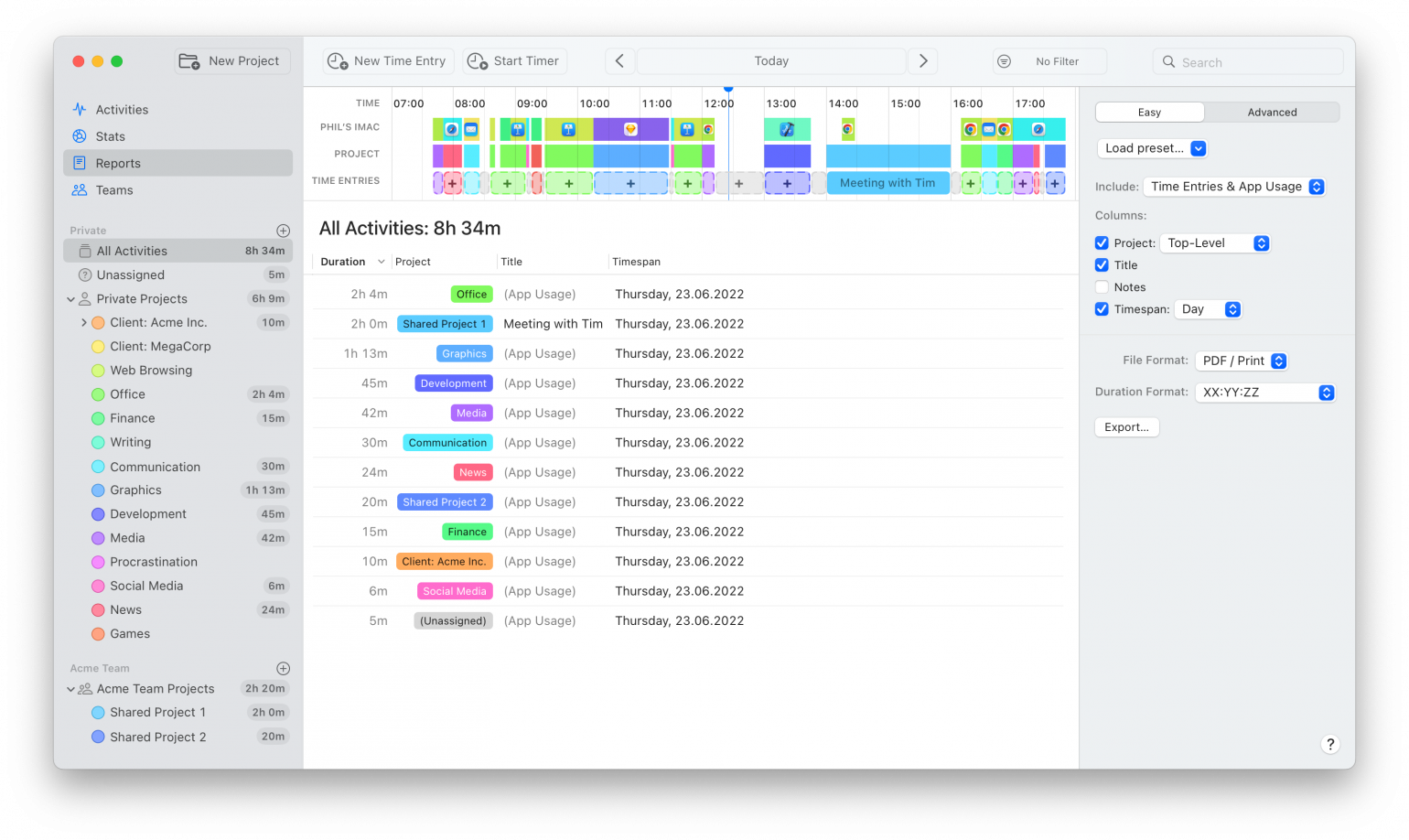
To the uninitiated, a blocked schedule looks rigid, even punishing. To the initiated, it is an act of profound liberation. Consider the typical day of a high‑output creative. It is not a chaotic list of to‑dos; it is a carefully engineered grid. One block might be for “Strategic Thought”—a 90‑minute session with no devices, dedicated entirely to long-term vision. Another block is pure “Execution”—a furious two‑hour sprint on a single project. Then, there are “Recovery Blocks”—not wasted, but essential periods for consolidation and rest. This is not clock‑watching; it is strategic architecture. The blocks become containers for specific mental modes, allowing the mind to settle into a groove without the jarring interruption of a ringing phone or a sudden meeting. The secret here is that ultra‑efficient people treat their calendars not as a record of what they must do, but as an architectural drawing of who they intend to become.
The Art of the Orange Zone: Defending the Invisible Wall
Yet, the most powerful element of this method is invisible to the eye. It is what I call the “Orange Zone”—the territory between the blocks. The ultra‑efficient do not merely schedule work; they schedule transition. After a 90-minute block of intense coding, they do not immediately jump into a client call. They insert a 10-minute ritual: a walk, a glass of water, a single deep breath. This is not wasted time. It is a neural reset. It acknowledges that the mind is a physical entity that needs rest as much as the body. Furthermore, they defend these blocks with a ferocity that borders on religious. When a request lands in their inbox that falls outside the current block, it is not rejected; it is deferred. The invisible wall of the time block is a polite but firm “not now.” This boundary creates a scarcity of availability that, paradoxically, makes them more respected and more available for the things that truly matter.
From Chaos to Cadence: The Rhythmic Life
Ultimately, the secret of the ultra‑efficient is not about doing more, but about entering a state of rhythm. Time blocking is a form of externalized discipline that frees the internal mind. When the structure is rigid on the outside, the inside becomes fluid. The best ideas often emerge during a block dedicated to routine data entry, because the mind, freed from the anxiety of what to do next, can wander creatively. The blocks become a musical score, with intense accelerandos of focused labor followed by lento periods of reflection. This cadence is deeply satisfying. It replaces the frantic feeling of drowning in a sea of tasks with the serene control of a captain navigating a charted course. The chaotic noise of modern life becomes a distant hum, while the steady rhythm of your own intentional blocks becomes the soundtrack of your day. That is the true secret: not control, but flow, constructed piece by piece, hour by hour.

The Invitation to the Impossible
It is a strange paradox: by imposing rigid boundaries upon our time, we unlock an impossible fluidity of thought. Most people are afraid of the calendar. They see it as a cage. The ultra‑efficient have learned to see it as a canvas. They have discovered that the constraints of a time block create the pressure necessary for diamonds of output to form. The next time you look at your blank day, do not ask, “What do I need to do?” Instead, ask, “What am I going to become in the next 90 minutes?” Then, build a wall around that answer. Guard it. Defend it. And watch yourself transform from a victim of the clock into its master.
Leave a comment