


The Productivity Blueprint for Small Business Owners: Unlocking Your Potential

What if the secret to running a successful small business wasn’t grinding harder, but working less?
It sounds like a trick question, doesn’t it? We’ve been conditioned to believe that productivity is a relentless engine—more hours, more tasks, more caffeine. Yet, for every entrepreneur who brags about working 80-hour weeks, there’s a quieter, more profitable owner who seems to have mastered the art of the 30-hour week. The challenge, then, isn’t finding more time; it’s discovering how to pour your limited energy into actions that truly move the needle. This is the fundamental puzzle of small business productivity—a puzzle that requires a thoughtful blueprint, not just a to-do list.
The Myth of the “Busy” Trap

Let’s pause for a moment. You’re busy. I’m busy. Everyone is busy. But busyness is not the same as effectiveness. In fact, the most productive small business owners are often the ones who look the least busy. They’ve learned to distinguish between motion and progress. Motion is answering emails, formatting spreadsheets, and attending meetings that could have been a calendar block. Progress is closing a deal, refining a product, or building a system that works while you sleep.
The playful question here is: Are you running your business, or is your business running you? If you find yourself at the end of the day exhausted but without concrete results, you’ve fallen into the busy trap. The escape route requires a ruthless audit of your time. Start by tracking every hour for one week. You’ll likely find that 20% of your activities generate 80% of your revenue. The blueprint demands that you protect that golden 20% with the ferocity of a dragon guarding its treasure.
Designing Your “Focused Flow” System
Once you’ve identified your high-leverage tasks, the next step is to build a container for them. Think of this as creating a productivity sanctuary. It’s not about the physical space alone—though a clean desk helps—but about a mental and digital environment engineered for deep work.
Consider batching your tasks. Instead of checking emails 20 times a day, set two specific windows (say, 10 AM and 4 PM). Instead of hopping between Instagram, Slack, and spreadsheets, dedicate 90-minute blocks to a single project. This is what cognitive psychologists call “flow state”—that blissful zone where time disappears and output multiplies. For the small business owner, this might mean blocking off the first two hours of your day as a “CEO block” where no one can reach you except for emergencies. You will be amazed at how much you can accomplish when you stop context-switching.
Another key aspect is the “two-minute rule” for administrative chaos. If a task takes less than two minutes, do it immediately. This prevents tiny to-dos from accumulating into a psychological burden. For everything else, capture it in a single trusted system—whether it’s Notion, Trello, or a simple paper notebook. The goal is to clear your mental RAM so you can focus on the work that actually builds your empire.
The Art of Strategic Delegation
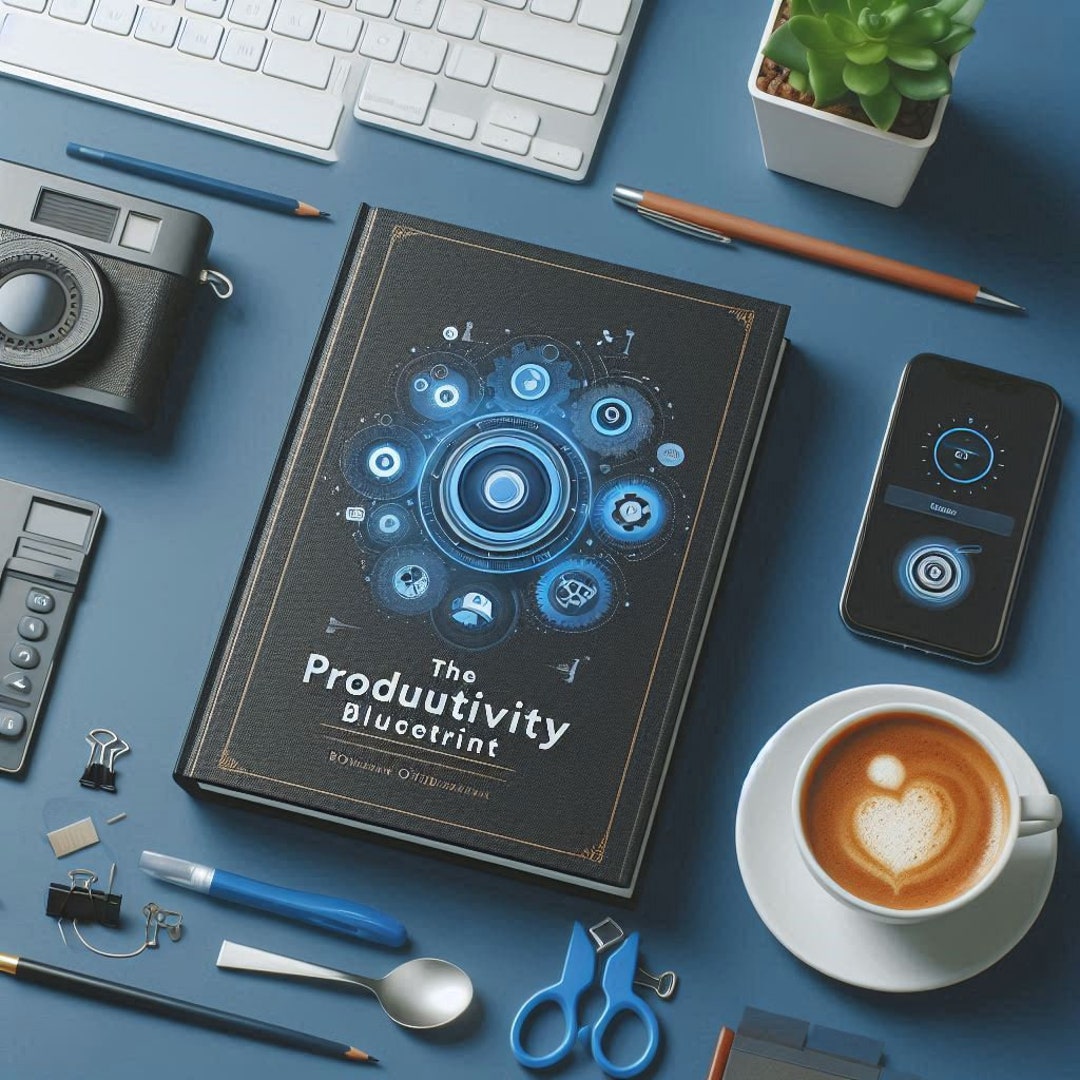
No small business owner is an island—or at least, they shouldn’t try to be. One of the most counterintuitive truths of productivity is that doing everything yourself is the fastest route to burnout and stagnation. The blueprint requires you to master the art of letting go.
Ask yourself: What is the highest value use of my time right now? Then, look at the rest of your tasks. Which of these could be done by a virtual assistant, a freelance specialist, or an employee? Start with the most annoying, repetitive tasks—the ones that drain your energy. If you hate bookkeeping, outsource it. If social media posts feel like a chore, hire a content manager. The initial cost may sting, but the unlocked time will pay for itself tenfold in strategic thinking and creative energy.
Remember, delegation isn’t just about offloading work; it’s about designing a system where others can thrive. Provide clear instructions, context, and deadlines. Then, trust them to execute. The most productive small business owners aren’t the ones who do everything; they are the ones who build teams that can do anything.
Harvesting the Power of “No”
Perhaps the sharpest tool in the productivity blueprint is a single, simple word: no. Every time you say yes to a low-yield meeting, a favor that isn’t strategic, or a trend that doesn’t fit your brand, you are saying no to growth. Boundaries are not rude; they are a sign of respect for your own mission.
This applies to relationships, too. Not all business friendships are productive. Surround yourself with people who challenge you, support your vision, and understand the value of time. A quick “no, thank you” is often the most productive email you can send. It buys you back hours of your life.
In the end, the productivity blueprint is less about doing more and more about doing what matters. It’s a narrative of careful curation, ruthless prioritization, and gentle self-compassion. The playful question we started with—about working less to achieve more—is not a trick. It’s an invitation. An invitation to step off the hamster wheel and start building a business that serves you, rather than the other way around. The challenge is real, but the blueprint is in your hands. Now, go design your masterpiece.
Leave a comment