



Imagine a world where every skill you acquire isn’t just a line on a resume but a lifeline—a thread woven into the fabric of your daily existence. This is the promise of micro-credentials in well-being, a modern alchemy that transforms fleeting knowledge into enduring resilience. In an era where burnout is epidemic and engagement is currency, these bite-sized qualifications are the unsung heroes of retention, stitching together personal growth with professional tenacity. They are the keystones of a new educational paradigm, where learning isn’t a marathon but a series of deliberate, empowering sprints.
Retention, in its truest sense, is no longer about forcing employees to stay—it’s about giving them reasons to want to stay. Micro-credentials in well-being do precisely that. They are the Swiss Army knives of professional development: compact, versatile, and tailored to the individual’s needs. Whether it’s mastering mindfulness for stress resilience or unlocking the secrets of ergonomic design for physical vitality, these credentials are the scaffolding that elevates both performance and well-being. Let’s explore how they achieve this metamorphosis.
The Alchemy of Micro-Credentials: Turning Knowledge into Retention Gold
At their core, micro-credentials are the distilled essence of learning—concentrated, potent, and immediately applicable. Unlike traditional degrees that often feel like distant constellations, these credentials are constellations you can reach out and touch. They cater to the modern learner’s hunger for instant gratification without sacrificing depth. When an employee earns a micro-credential in, say, sleep optimization or emotional intelligence, they’re not just adding a badge to their profile; they’re rewiring their neural pathways to prioritize well-being as a non-negotiable pillar of success.
This alchemy works because micro-credentials are hyper-personalized. They acknowledge that well-being isn’t a one-size-fits-all concept. A data analyst might thrive with a credential in cognitive load management, while a nurse benefits more from a course in compassion fatigue resilience. The specificity of these programs ensures that learning feels relevant, not rote—a critical factor in retention. Employees don’t just consume content; they curate it, selecting modules that resonate with their unique challenges and aspirations. This autonomy fosters a sense of ownership, turning passive learners into architects of their own well-being.
Moreover, the gamified nature of many micro-credential platforms—think progress bars, instant feedback, and shareable badges—taps into the brain’s reward system. Each completed module releases a dopamine hit, reinforcing the habit of continuous learning. It’s a virtuous cycle: the more they learn, the more they want to learn, and the more invested they become in their growth—and by extension, their workplace.
The Ripple Effect: How Well-Being Credentials Cascade into Engagement
Retention isn’t an island; it’s an ecosystem. When employees feel seen, supported, and equipped to thrive, the effects cascade far beyond their individual performance. Micro-credentials in well-being act as the pebble dropped into the pond, creating concentric circles of positive change. Consider the employee who masters a credential in time management: suddenly, their stress levels plummet, their productivity soars, and their interactions with colleagues become more patient and collaborative. This isn’t just a personal win—it’s a cultural shift.
Teams that collectively pursue well-being micro-credentials develop a shared language around health, resilience, and growth. They become co-conspirators in well-being, holding each other accountable and celebrating milestones together. This camaraderie is the glue that binds employees to their organization. After all, people don’t leave jobs; they leave cultures that don’t nurture them. When a company invests in micro-credentials, it signals a commitment to holistic development—not just the bottom line, but the soul of its workforce.
There’s also the halo effect to consider. Employees who feel physically and mentally robust are more likely to exhibit the bright-side behaviors—creativity, adaptability, and proactivity—that organizations crave. A workforce trained in well-being micro-credentials becomes a force multiplier, where individual resilience translates into collective agility. This is retention on a grand scale: not just keeping bodies in seats, but igniting minds.
The Neurochemistry of Retention: Why Micro-Credentials Light Up the Brain
Let’s dive into the neurobiology of why these credentials work so well. The human brain is wired to seek novelty and mastery—a trait evolutionarily hardwired for survival. Micro-credentials exploit this by offering bite-sized challenges that trigger the release of neurotransmitters like dopamine and serotonin. When an employee completes a module on, say, nutritional neuroscience, their brain registers the achievement as a mini-victory, reinforcing the desire to pursue more.
This neurochemical dance is further amplified by the social proof inherent in micro-credentialing. Sharing badges on LinkedIn or internal platforms isn’t just vanity—it’s a neural mirroring effect. When colleagues see their peers earning credentials, their brains subconsciously register these achievements as attainable goals, lowering the psychological barrier to participation. It’s the bandwagon effect reimagined for the digital age, where social validation becomes a catalyst for engagement.
Additionally, the spaced repetition built into many micro-credential programs leverages the brain’s memory consolidation processes. By revisiting concepts at optimal intervals, these programs ensure that learning sticks—not just in the short term, but as a lifelong habit. This is retention in its purest form: not just retaining employees, but retaining knowledge, skills, and well-being itself.
The Future is Micro: Scaling Well-Being One Credential at a Time
The rise of micro-credentials isn’t a fleeting trend—it’s a tectonic shift in how we perceive education and well-being. As organizations grapple with the Great Resignation and the war for talent, these credentials offer a scalable solution to a problem that’s often seen as intractable. They democratize learning, making it accessible to employees at all levels, from interns to executives. A CEO earning a credential in burnout prevention isn’t just a symbolic gesture; it’s a cultural manifesto that well-being is everyone’s responsibility.
Imagine a future where every employee has a personalized well-being dashboard, tracking their progress through micro-credentials in nutrition, sleep, emotional regulation, and more. This isn’t science fiction—it’s the logical evolution of how we’ll approach retention in the coming decade. Companies that embrace this model won’t just reduce turnover; they’ll cultivate a workforce that’s resilient by design, where well-being isn’t an afterthought but the cornerstone of success.
The beauty of micro-credentials lies in their adaptability. As new research emerges—whether it’s the link between gut health and cognitive function or the impact of circadian rhythms on productivity—these programs can evolve in real time. They’re not static certificates; they’re living documents of growth, ensuring that employees are always at the cutting edge of well-being science.
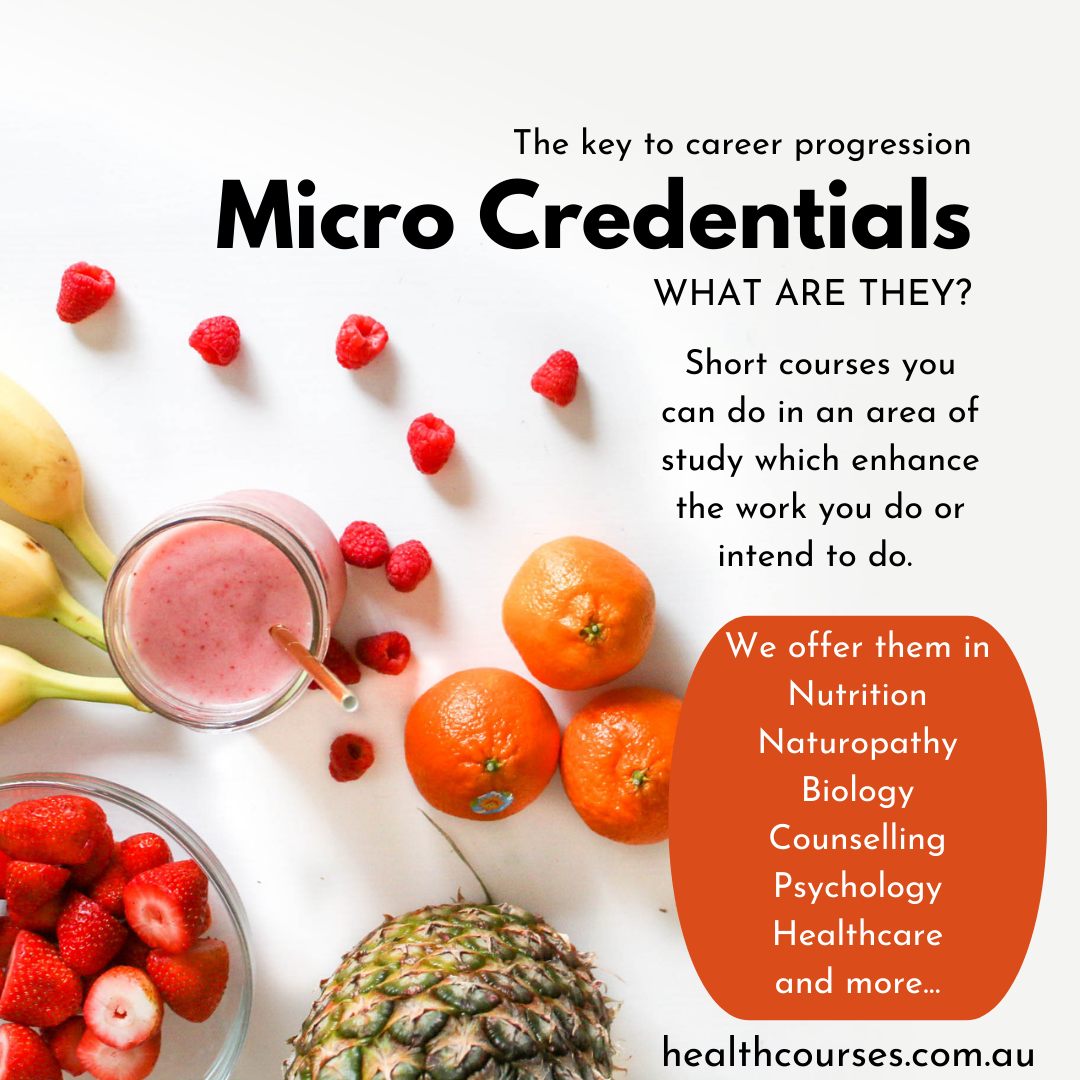
In the grand tapestry of retention strategies, micro-credentials in well-being are the golden threads that weave together personal fulfillment and professional loyalty. They’re not just tools; they’re transformations. By offering employees the keys to unlock their full potential—one credential at a time—organizations aren’t just reducing turnover; they’re redefining what it means to thrive. The future of work isn’t just about keeping people on the payroll; it’s about ensuring they’re alive, engaged, and excited to be there. And that, in the end, is the ultimate retention strategy.
Leave a comment