


The Myth of the Grind
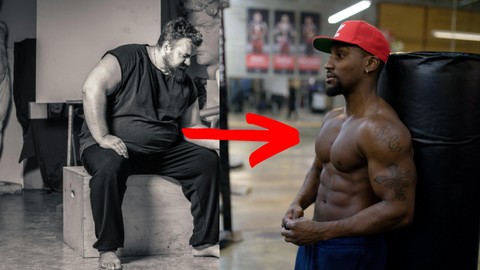
We have been sold a narrative. Productivity, we are told, is a bruising battle, a relentless war of attrition waged against the soft, seductive enemy of procrastination. It is a vision of clenched teeth, cold coffee, and a calendar so rigid it might as well be carved from stone. This image is not merely exhausting; it is wrong. To view self-discipline as a form of daily punishment is to misunderstand its very nature. The true relationship between discipline and output is not one of force, but of flow. It is the quiet architecture behind effortless motion, the unseen riverbed that guides a current rather than damming it. What if the key to doing more was not to fight harder, but to stop fighting altogether?
The Attention Tax and the Discipline Dividend
Every decision to work is preceded by a decision about attention. Will you focus on the report, or will your mind drift to the ping of a notification? Modern work culture has engineered a landscape of constant interruption, and every time you switch contexts, you pay a tax. This tax is measured in cognitive friction, lost momentum, and the subtle erosion of your mental energy. Self-discipline, viewed through this lens, is not about doing more work; it is about paying less tax. It is the practice of creating a frictionless environment for your own mind. When you cultivate the discipline to close the wrong browser tab, to silence the phone, to honor a single task for a defined block of time, you are not restricting your freedom. You are buying back your cognitive bandwidth. The dividend is immense: a state of deep work where hours feel like minutes and output multiplies not through strain, but through serene focus. The most productive people are not those who work the hardest, but those who waste the least energy on the war of attention.
Procrastination as a Signal, Not a Sin
Our cultural instinct is to treat procrastination with shame. We label it as laziness, a moral failing to be crushed under the boot of willpower. But this approach only deepens the cycle. The procrastinator who shames themselves then seeks comfort in the very activity they were avoiding, creating a spiral of guilt and delay. A shift in perspective reveals procrastination not as an enemy, but as a distress signal. It is the mind’s way of flagging that a task is ambiguous, overwhelming, or misaligned with our deeper values. The disciplined response, then, is not to attack the symptom, but to listen to the signal. It is to ask: “What about this task makes me want to flee?” The answer is rarely the work itself, but the lack of a clear first step. Self-discipline, in this context, becomes the art of breaking a terrifying monolith into a series of laughably small, non-threatening bricks. You do not conquer a mountain by clenching your fists; you conquer it by taking the first step that costs nothing. This subtle reframing turns the productivity battle into a puzzle of design, a gentle act of cognitive housekeeping.

The Ritual of Reliable Output
Creativity and productivity are often seen as spontaneous forces—you wait for the Muse to arrive. Yet history shows that the most prolific artists, scientists, and entrepreneurs do not rely on inspiration. They rely on ritual. Self-discipline is the scaffolding that allows creativity to stand. It is the worn path in the forest that makes the daily walk effortless. When you discipline yourself to begin at the same time, in the same chair, with the same preparatory cup of tea, you stop relying on mood. You build a mechanical trigger for action. This shift is liberating, not constraining. Freedom, in the context of productivity, is not the absence of structure; it is the presence of a structure so reliable that your mind is free to roam within it. The daily ritual removes the question of *whether* you will work, leaving only the question of *what* you will create. The energy that would have been spent on indecision is now poured into the work itself. This is the secret to the output of the masters: their discipline was not a cage, but a launchpad for their genius.
The Invisible Architecture of Ease
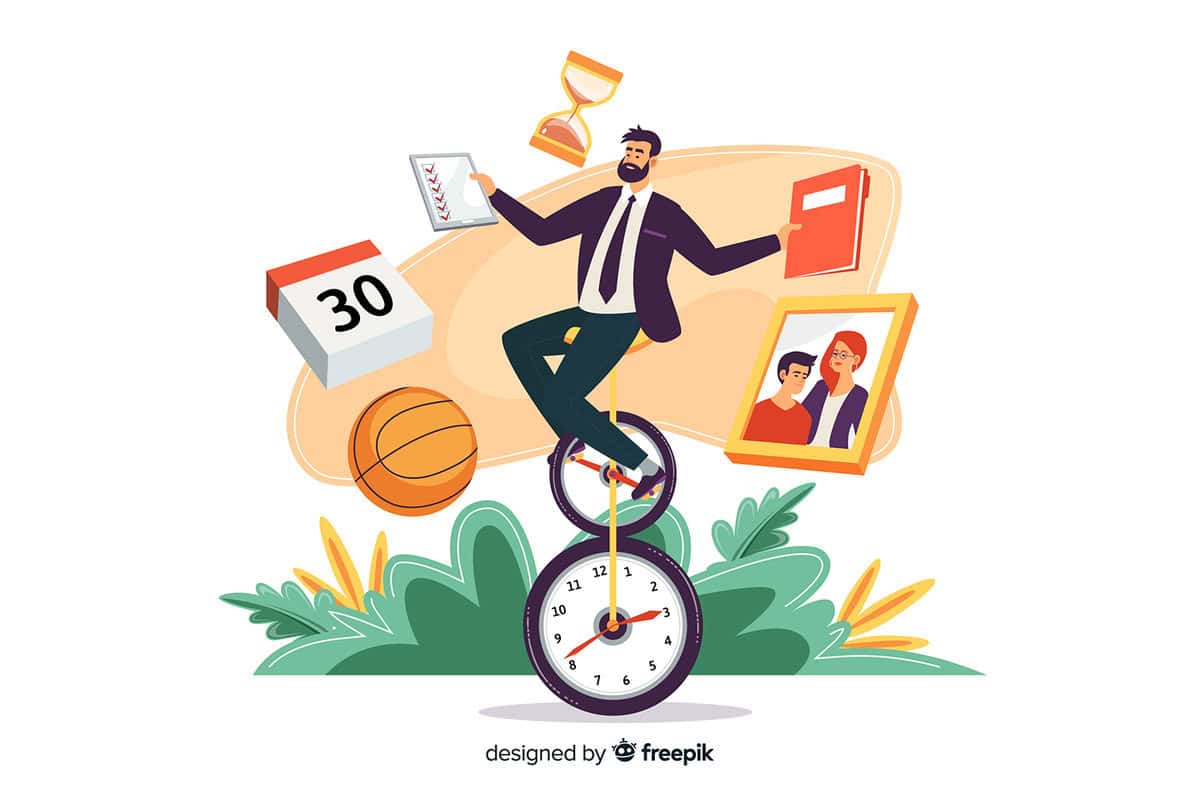
Consider the most productive days you have ever had. They were likely not days of frantic, sweaty effort. They were days of quiet, humming efficiency. Tasks flowed into one another. Decisions were made without drama. The afternoon arrived with a sense of calm accomplishment. This is the promise of self-discipline when it is embraced as a partner, not a taskmaster. It builds an invisible architecture of ease within your day. By deciding in advance where your focus will go, you eliminate the fatigue of constant choice. By honoring a single commitment, you build trust with yourself—a trust that is the bedrock of confidence. This virtuous cycle is the productivity holy grail: discipline breeds output, output breeds satisfaction, and satisfaction strengthens the will to be disciplined tomorrow. The shift in perspective is profound. You are no longer a warrior hacking through the jungle of your to-do list. You are an architect, designing a city where work is a pleasant walk down a wide, clean boulevard. The walls are not to keep you in, but to keep the chaos out.
The Quiet Revolution
The greatest productivity benefit of self-discipline is not a longer to-do list. It is a quieter mind. It is the release from the exhausting internal chatter of “I should be doing something else.” It is the ability to be completely present with the task at hand, because all other tasks have been given their time and place. This presence is where the magic happens. Problems solve themselves. Creative connections spark. The quality of the work skyrockets because the work is done with your whole self, not just a fractured, anxious fragment. Self-discipline, in its highest form, is not about doing. It is about being. It is the choice to inhabit your life with intention, to stop being a passenger in your own existence and become the driver. That shift in identity—from patient to practitioner, from victim to architect—is the ultimate victory. It is a quiet revolution that starts not with a battle cry, but with a single, focused breath, and a choice to act as the person you want to become.
Leave a comment