


Persuasive communication isn’t just about convincing others—it’s about crafting messages that resonate, inspire action, and foster trust. Whether you’re pitching an idea, negotiating a deal, or simply trying to align a team, the way you communicate shapes outcomes. A persuasive style blends logic, emotion, and credibility to create messages that stick. Below, we explore the key elements of persuasive communication and the types of content that can help you master it.
The Psychology Behind Persuasion: Understanding Your Audience
Before crafting your message, you must understand who you’re speaking to. Persuasion thrives on relevance—your audience must see the value in what you’re saying. Start by analyzing their needs, pain points, and motivations. Are they driven by logic, emotion, or social proof? For instance, a technical audience may respond better to data-driven arguments, while a creative team might be swayed by storytelling.
Psychologist Robert Cialdini’s six principles of influence—reciprocity, commitment, social proof, authority, liking, and scarcity—provide a framework for crafting persuasive messages. Reciprocity, for example, suggests that people feel obligated to return favors, making it a powerful tool in negotiations or collaborations. Meanwhile, scarcity creates urgency, pushing audiences to act before an opportunity disappears.

Structuring Your Message: The Art of Clarity and Flow
A persuasive message isn’t just about what you say—it’s about how you say it. Structure is key. Begin with a strong hook that grabs attention, whether it’s a surprising statistic, a bold question, or a relatable anecdote. Follow this with a clear thesis or main point, supported by evidence. Break down complex ideas into digestible chunks, using bullet points or numbered lists to improve readability.
The classic Problem-Agitate-Solve (PAS) framework is a proven method for persuasive writing. First, identify a problem your audience faces. Agitate it by highlighting the consequences of inaction. Finally, present your solution as the obvious remedy. For example, a sales pitch might start with a common industry challenge, emphasize the cost of ignoring it, and then introduce a product that solves the issue.
Transitions between ideas should feel seamless. Use phrases like “Moreover,” “As a result,” or “Consider this” to guide your reader through your argument. Avoid jargon unless you’re certain your audience understands it—clarity trumps cleverness when persuasion is the goal.
Leveraging Emotional Appeals: The Power of Storytelling
While logic provides the backbone of persuasion, emotion gives it life. Stories make abstract ideas tangible, helping your audience connect with your message on a deeper level. A well-told narrative can evoke empathy, excitement, or urgency—emotions that drive action.
Start with a relatable protagonist facing a challenge. Show their struggle, then introduce your solution as the turning point. For example, a nonprofit might share the story of a single beneficiary to illustrate the impact of their work. The emotional pull makes the call to donate more compelling than a dry statistics report.
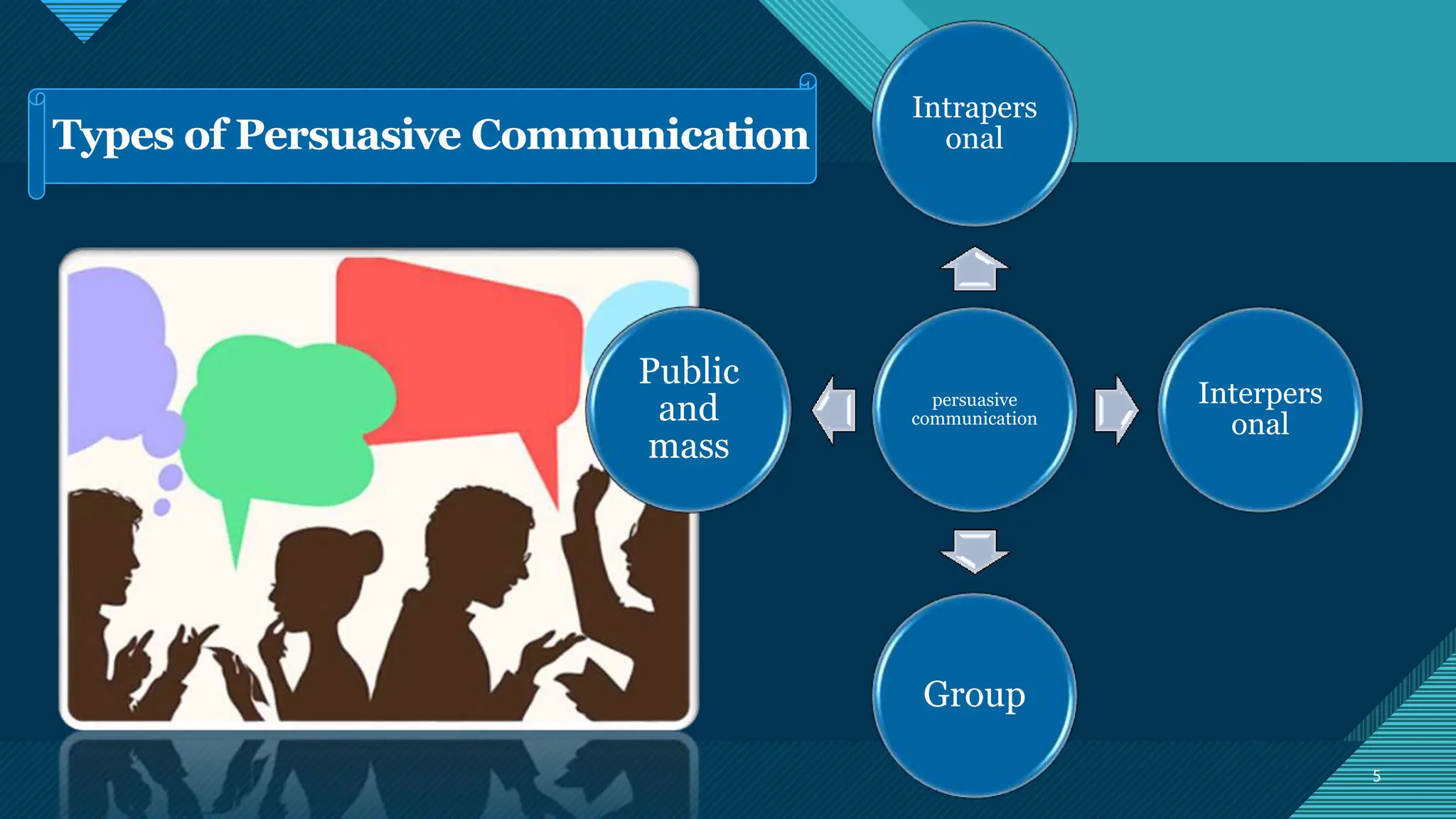
Visual storytelling amplifies this effect. Infographics, videos, and even well-designed slides can convey emotions that text alone cannot. Tools like SlideShare offer templates to create visually engaging presentations that reinforce your message.
Building Credibility: Establishing Authority and Trust
No matter how compelling your message, it won’t persuade if your audience doesn’t trust you. Credibility comes from three sources: expertise, authority, and authenticity. Demonstrate your knowledge by citing reputable sources, sharing relevant experience, or presenting well-researched data. Authority can be established through titles, credentials, or endorsements from respected figures.
Authenticity, however, is the most powerful. People are more likely to be persuaded by someone who appears genuine and transparent. Share personal anecdotes that humanize your message, or admit limitations where appropriate. For example, a leader might acknowledge past mistakes to build rapport before outlining a new strategy.
Social proof is another critical element. Testimonials, case studies, and user-generated content show that others have benefited from your idea or product. Platforms like LinkedIn or industry forums can provide platforms to showcase these endorsements.
Adapting to Different Mediums: From Emails to Speeches
Persuasive communication isn’t one-size-fits-all. The medium you choose shapes your approach. A written email requires concise language and a clear subject line, while a live presentation demands charisma and adaptability. Here’s how to tailor your style to different formats:
- Emails: Keep them short and scannable. Use bullet points for key points and bold text to highlight calls to action. A subject line like “3 Ways to Boost Team Productivity” is more compelling than “Meeting Follow-Up.”
- Presentations: Use slides to complement your spoken words, not replace them. Visuals should reinforce your message, not distract from it. Tools like PowerPoint or Google Slides offer templates to streamline design.
- Social Media: Platforms like Twitter or LinkedIn favor brevity and engagement. Pose questions, share quick tips, or use polls to spark conversation. A post like “What’s the biggest challenge in your workflow?” invites responses and positions you as a thought leader.
- Face-to-Face Conversations: Body language and tone matter. Maintain eye contact, use open gestures, and mirror your audience’s energy. A firm handshake or a warm smile can make your message more memorable.
Overcoming Objections: Turning Resistance into Opportunity
Persuasion isn’t about avoiding pushback—it’s about addressing it head-on. Anticipate objections and prepare responses that reframe them as opportunities. For example, if someone argues that your proposal is too expensive, highlight the long-term savings or ROI. If they doubt your expertise, share testimonials or case studies that prove your track record.
The FEEL-FELT-FOUND technique is a simple way to handle objections. Start by acknowledging the concern (“I understand how you might feel that way”). Then, share how others have felt similarly (“Many of our clients felt the same way initially”). Finally, present the solution (“But they found that our approach delivered results”). This method validates the objection while steering the conversation toward agreement.
Active listening is crucial. Paraphrase objections to show you understand, then respond with empathy. For example, “So you’re concerned about the timeline—let me explain how we can adjust the schedule to meet your needs.” This approach builds trust and keeps the dialogue open.
Practicing and Refining Your Persuasive Skills
Like any skill, persuasive communication improves with practice. Record yourself delivering a pitch or write out a proposal, then review it critically. Ask yourself: Is the message clear? Does it address the audience’s needs? Are there gaps in logic or emotional appeal?
Seek feedback from trusted colleagues or mentors. They can point out blind spots, such as overused jargon or weak transitions. Join public speaking groups like Toastmasters to hone your delivery, or participate in writing workshops to refine your prose.
Finally, study the masters. Analyze speeches by leaders like Steve Jobs or Brené Brown, or dissect the marketing campaigns of brands like Apple or Nike. Notice how they blend storytelling, emotion, and credibility to create messages that resonate.
Conclusion: The Art of Persuasion as a Lifelong Journey
Building a persuasive communication style isn’t about manipulation—it’s about connection. It’s the art of aligning your message with your audience’s needs, values, and emotions. By understanding psychology, structuring your content effectively, and adapting to different mediums, you can craft messages that not only persuade but also inspire action.
Start small: practice with emails, refine your storytelling, and seek feedback. Over time, your ability to communicate persuasively will become second nature, opening doors to new opportunities and stronger relationships. The key is to remain authentic, stay curious, and always put your audience first.
Leave a comment