


In a world where the hum of urban life often drowns out the whispers of the natural world, an ancient remedy for the weary mind is reclaiming its place in modern healing. Nature-based learning isn’t just a fleeting trend—it’s a resurgence of primal wisdom, a return to the rhythms that once shaped human cognition and emotional resilience. As concrete jungles expand and screens dominate our attention, the quiet power of forests, rivers, and open skies offers something profound: a sanctuary for the overstimulated brain and a catalyst for mental health recovery. But why does this connection run so deep? What is it about the rustling leaves, the scent of damp earth, or the vast expanse of a horizon that speaks to our innermost struggles? The answer lies not just in the beauty of nature, but in the way it rewires our very being—from the cellular level to the depths of our psyche.
Imagine stepping into a sun-dappled woodland, where the air carries the earthy perfume of moss and pine. The noise of the city fades into a distant murmur, replaced by the symphony of birdsong and the occasional whisper of wind through the branches. This isn’t merely a picturesque escape; it’s a deliberate act of recalibration. For centuries, humans thrived in such environments, and our brains evolved to thrive within them. Today, as mental health challenges surge in lockstep with urbanization, nature-based learning emerges as a vital bridge between our ancestral past and our modern struggles. It’s not about romanticizing the wild—it’s about recognizing that our minds, bodies, and spirits still crave the nourishment only the natural world can provide.
The Science Behind Nature’s Healing Touch
When we immerse ourselves in natural settings, our bodies undergo a remarkable transformation. Cortisol levels—those pesky stress hormones—plummet, while serotonin and dopamine, the neurotransmitters of calm and joy, rise like a tide. Studies have shown that even a 20-minute walk in a green space can significantly reduce anxiety, while prolonged exposure to nature has been linked to lower rates of depression. But the magic doesn’t stop there. Nature’s healing effects extend to our cognitive functions as well. Attention spans, dulled by the relentless ping of notifications and the demands of multitasking, find renewal in the gentle, undemanding focus required by natural environments. This phenomenon, known as attention restoration theory, suggests that our brains, when freed from the tyranny of constant stimulation, can reset and recharge.
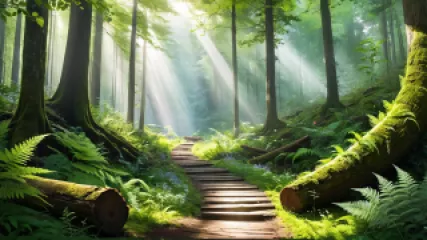
Yet, the benefits of nature-based learning aren’t solely biochemical or neurological. They’re also deeply psychological. The Japanese practice of shinrin-yoku—or forest bathing—illustrates how mindful immersion in nature can dissolve mental fog and foster emotional clarity. By engaging all five senses—listening to the crunch of leaves underfoot, feeling the texture of bark, inhaling the scent of rain on soil—we anchor ourselves in the present moment. This sensory engagement acts as a form of meditation, quieting the mental chatter that fuels anxiety and depression. In a world where dissociation from the physical world is all too common, nature offers a tangible, grounding experience that reconnects us to ourselves and to the world around us.
From Passive Observation to Active Engagement
While simply being in nature has undeniable benefits, the most transformative experiences often arise from active participation. Nature-based learning isn’t a spectator sport; it’s an invitation to engage, create, and grow. Activities like forest schools for children, wilderness therapy programs for adolescents, and ecotherapy for adults demonstrate how hands-on interaction with the natural world can catalyze profound personal growth. These programs often incorporate elements of mindfulness, art, and physical activity, all within a natural setting. The result? A holistic approach to mental health that addresses the mind, body, and spirit in unison.
Consider the act of gardening. The rhythmic motion of digging, planting, and tending to soil isn’t just a productive pastime—it’s a form of kinetic meditation. The tactile feedback, the rhythmic repetition, and the tangible results (a blooming flower, a harvest of vegetables) provide a sense of accomplishment and purpose. For those struggling with low self-esteem or a sense of stagnation, the cyclical nature of growth—seeds sprouting, plants flourishing, seasons changing—offers a powerful metaphor for resilience and renewal. Similarly, outdoor exercise, whether it’s hiking, yoga in a park, or even a brisk walk along a shoreline, combines the endorphin-boosting effects of physical activity with the mood-enhancing properties of nature. It’s a double dose of healing, a synergy that urban gyms can rarely replicate.

For those who feel disconnected from the natural world, structured nature-based learning can serve as a gateway. Programs that combine education with outdoor exploration—such as birdwatching, plant identification, or even survival skills—foster a deeper appreciation for the environment while simultaneously nurturing mental well-being. These experiences often lead to a sense of awe, that profound emotion that transcends everyday experience. Awe has been shown to reduce stress, increase life satisfaction, and even foster a sense of interconnectedness with something greater than oneself. In a society that often prioritizes individualism and material success, the humility and wonder inspired by nature can be a balm for the soul.
The Role of Solitude and Silence
In a culture that equates productivity with constant noise and activity, the value of solitude and silence is often overlooked. Yet, nature provides the perfect backdrop for these essential experiences. Solitude in nature isn’t loneliness; it’s an opportunity to listen—to the self, to the environment, and to the quiet voice within that often gets drowned out in the cacophony of daily life. Silence, too, is a potent healer. The absence of noise pollution allows the brain to enter a state of default mode network activation, a mental state associated with self-reflection, creativity, and emotional processing. For those grappling with trauma or unresolved emotions, this quiet introspection can be a crucial step toward healing.
Consider the practice of sit spot, a tradition in some indigenous cultures where individuals sit quietly in nature for extended periods, observing their surroundings without judgment. This practice isn’t about achieving a specific outcome; it’s about being present, about allowing the mind to wander and the heart to open. For someone accustomed to the relentless pace of modern life, such stillness can feel uncomfortable at first. But over time, it becomes a sanctuary—a place where the mind can untangle its knots and the spirit can find its footing. In a world that rarely stops moving, nature offers the rare gift of stillness, a chance to breathe and simply be.
Overcoming Barriers to Nature-Based Learning
Despite its proven benefits, integrating nature-based learning into daily life isn’t always straightforward. Urban dwellers may struggle to find accessible green spaces, while those with physical limitations might face challenges in navigating natural terrain. Time constraints, safety concerns, and even cultural perceptions of nature as something “wild” or “untamed” can also act as barriers. However, the key lies in reframing our relationship with the natural world. Nature isn’t confined to remote forests or pristine parks; it’s present in urban parks, community gardens, and even the cracks in a sidewalk where a determined weed pushes through. The goal isn’t to seek out grand, transformative experiences but to cultivate a consistent, mindful connection with the natural elements around us.
For those who feel overwhelmed by the idea of venturing into nature alone, group activities can provide a sense of community and support. Nature-based therapy groups, guided hikes, or even virtual nature walks (where participants observe and discuss natural environments via video) can make the experience more accessible. Technology, often blamed for our disconnection from nature, can also be harnessed to bridge the gap. Apps that encourage mindful walking, virtual reality experiences that simulate natural environments, or even social media communities dedicated to nature photography can inspire and facilitate engagement with the outdoors.
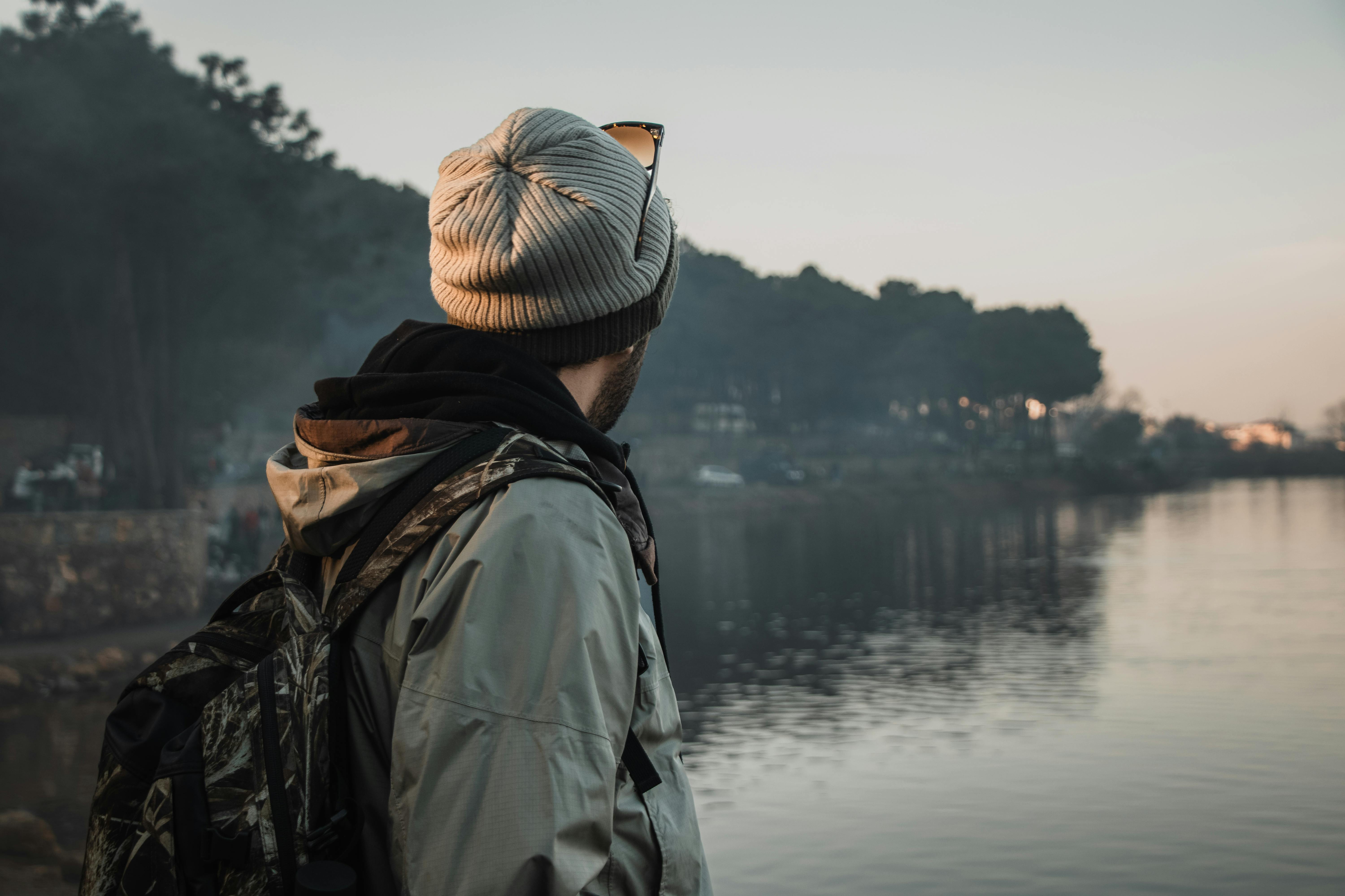
Another common obstacle is the misconception that nature-based learning requires significant time or effort. In reality, even small doses can yield substantial benefits. A five-minute pause to observe a tree, a lunchtime walk in a nearby park, or the simple act of opening a window to let in fresh air can all contribute to mental well-being. The key is consistency and intentionality. It’s not about grand gestures but about weaving moments of connection into the fabric of daily life. Over time, these small interactions accumulate, creating a tapestry of resilience and renewal.
Cultivating a Lifelong Relationship with Nature
The ultimate goal of nature-based learning isn’t just recovery—it’s transformation. It’s about shifting from a mindset of extraction (taking from nature) to one of reciprocity (giving back and nurturing a symbiotic relationship). This shift can be as simple as practicing Leave No Trace principles, planting native species, or supporting conservation efforts. When we see ourselves as part of the natural world rather than separate from it, our mental health becomes intertwined with the health of the planet. This perspective fosters a sense of purpose and stewardship, qualities that are often missing in a society that prioritizes individual achievement over collective well-being.
For those on the path to mental health recovery, nature-based learning offers more than just temporary relief—it provides a framework for lasting change. It teaches patience, resilience, and adaptability. It reminds us that growth isn’t linear, that setbacks are part of the journey, and that renewal is always possible. In the quiet rustle of leaves, the steady flow of a river, or the quiet resilience of a seed pushing through concrete, we find echoes of our own capacity to heal and thrive.
As we stand on the precipice of a new era—one marked by environmental challenges and mental health crises—nature-based learning emerges as a beacon of hope. It’s a reminder that the solutions to our deepest struggles often lie not in the lab or the therapist’s office, but in the ancient, unyielding wisdom of the natural world. All we need to do is step outside, breathe deeply, and let the earth do the rest.
Leave a comment